Genetic Predisposition to Ingrown Nails: Risk Factors & Proven Prevention Strategies
Ingrown nails are more than just a painful foot nuisance—they can lead to infections, swelling, and long‑term discomfort. While many people experience occasional ingrown nails, a subset of individuals face recurrent episodes that seem almost inevitable. Recent research suggests that genetic predisposition plays a significant role in this heightened risk. Understanding the genetic link, recognizing the environmental triggers, and adopting targeted prevention strategies can help you keep your feet pain‑free.
What Is an Ingrown Nail?
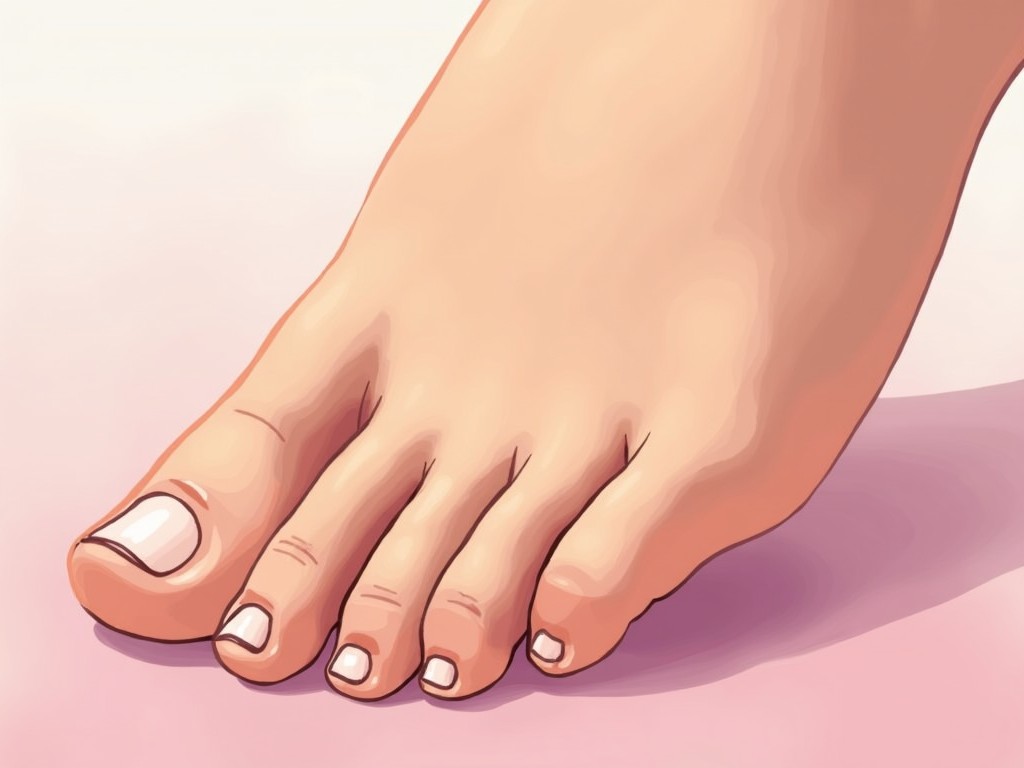
An ingrown nail occurs when the edge of the nail grows into the surrounding skin. The result is a painful, inflamed area that can become infected if left untreated. Common symptoms include redness, swelling, tenderness, and sometimes pus or drainage. While the condition can affect any nail, toenails are most frequently involved due to footwear pressure and toe anatomy.
Genetic Predisposition: Why Some People Are More Susceptible
Genetics can influence several factors that contribute to ingrown nails:
- Nail shape and thickness – Certain genes affect how nails grow, making them more likely to curve or become overly thick.
- Skin elasticity – Genetic variations can reduce skin flexibility, causing the nail to press into the skin more easily.
- Foot structure – Family history of flat feet or high arches can alter toe alignment, increasing pressure on the nail edge.
Studies have shown that individuals with a family history of ingrown nails are up to three times more likely to develop the condition. While you cannot change your DNA, you can control the environmental factors that interact with these genetic traits.
Key Risk Factors Beyond Genetics
Improper Nail Cutting
Cutting nails too short, too wide, or with rounded corners can force the nail edge into the skin. The ideal technique is to trim straight across or with a slight curve, leaving the corners intact.
Inappropriate Footwear
Stiff, narrow, or ill‑fitting shoes squeeze the toes, pushing the nails inward. Opt for shoes with ample toe box space and flexible uppers.
Toe Trauma
Repeated impact from sports or daily activities can damage the nail bed, making it more prone to ingrowth.
Neglecting Foot Hygiene
Dirty or damp feet create a breeding ground for bacteria and fungi, exacerbating inflammation and infection.
Proven Prevention Strategies
1. Master the Nail‑Cutting Technique
- Use sharp, clean nail clippers.
- Trim straight across; avoid cutting corners.
- Do not cut nails too short—leave a small margin.
2. Choose Footwear Wisely
- Look for a wide toe box.
- Prefer breathable, flexible materials.
- Replace shoes every 6–12 months to maintain proper fit.
3. Maintain Regular Foot Hygiene
- Wash feet daily with mild soap and warm water.
- Dry thoroughly, especially between toes.
- Apply a moisturizer to keep skin supple.
4. Protect Your Toes During Activities
- Wear protective footwear during sports.
- Use toe caps or pads if you have a history of trauma.
5. Seek Professional Care When Needed
If you notice persistent redness, swelling, or signs of infection, consult a podiatrist or general surgeon. Early intervention can prevent complications and reduce recurrence.
Frequently Asked Questions
Q: Can ingrown nails be completely prevented?
A: While genetics can’t be altered, consistent nail care, proper footwear, and good hygiene dramatically reduce the risk. In some cases, a minor surgical procedure may be recommended to correct nail shape.
Q: How often should I trim my toenails?
A: Trim your toenails every 2–4 weeks, or sooner if they grow quickly. Regular trimming keeps nails at a safe length and prevents overgrowth.
Q: Are there any home remedies for an existing ingrown nail?
A: Soaking the foot in warm water with Epsom salt for 15–20 minutes can reduce swelling. However, if pain persists or infection signs appear, seek medical attention.
Conclusion
Ingrown nails can be a frustrating and painful condition, especially for those with a genetic predisposition. By understanding the underlying risk factors and implementing evidence‑based prevention strategies—proper nail trimming, suitable footwear, diligent hygiene, and timely professional care—you can protect your feet and enjoy a life free from recurring ingrown nail pain. Remember, prevention is always better than cure, and a proactive approach can keep your toes healthy for years to come.