Hidden Health Dangers of Excess Weight: From Cancer to Diabetes and Beyond
Introduction: The Silent Threat of Excess Weight
When we think of obesity, the first image that often comes to mind is a silhouette on a scale. Yet the real danger lies far beyond the numbers. Excess body weight quietly fuels a cascade of metabolic disturbances, hormonal imbalances, and chronic inflammation that can lead to life‑threatening conditions such as type 2 diabetes, cardiovascular disease, and even certain cancers. Understanding these hidden risks is the first step toward proactive prevention and healthier living.
1. How Excess Weight Disrupts Metabolism and Hormones
1.1 Insulin Resistance: The Gateway to Diabetes
Adipose tissue, especially visceral fat around the abdomen, releases pro‑inflammatory cytokines like TNF‑α and interleukin‑6. These molecules interfere with insulin receptors in muscle and liver cells, making glucose uptake inefficient. The pancreas compensates by producing more insulin, eventually exhausting beta‑cells and tipping the balance toward type 2 diabetes.
1.2 Estrogen Production and Cancer Risk
Fat cells synthesize estrogen, a hormone that promotes the growth of hormone‑dependent tumors. Elevated estrogen levels are strongly linked to increased risks of endometrial, breast, and ovarian cancers. Reducing excess fat can lower estrogen production and, consequently, cancer risk.
2. Cardiovascular Consequences of Obesity
2.1 Blood Pressure and Cholesterol
Higher body mass index (BMI) is associated with elevated systolic blood pressure and LDL cholesterol. These factors accelerate atherosclerosis, raising the likelihood of heart attacks and strokes.
2.2 Surgical Risks and Recovery
Obesity complicates elective surgeries by limiting surgical field visibility, prolonging anesthesia time, and slowing wound healing. Post‑operative infection rates can rise by up to 300%, and patients often experience longer hospital stays.
3. Cancer: A Direct Correlation with Excess Weight
3.1 Which Cancers Are Most Affected?
- Endometrial (uterine) cancer
- Breast cancer
- Colorectal cancer
- Liver cancer
- Pancreatic cancer
Studies show that maintaining a healthy BMI can reduce cancer incidence by 20–40%. Even a modest 5–10% weight loss can lower hormone levels, decrease inflammation, and improve immune surveillance.
4. Joint Health and Mobility: The Mechanical Side of Obesity
4.1 Arthritic Pain and Osteoarthritis
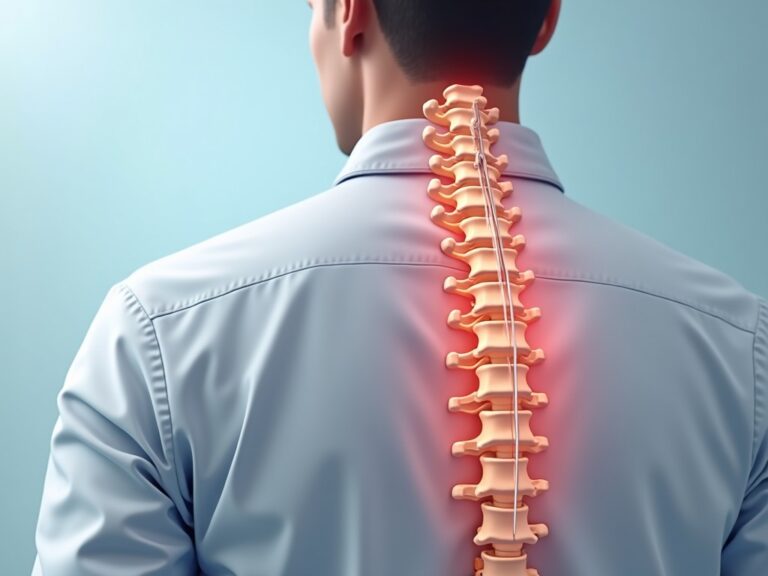
Each kilogram of excess weight adds roughly four times the pressure on weight‑bearing joints. This mechanical overload accelerates cartilage wear, leading to chronic pain and increased risk of osteoarthritis in knees, hips, and ankles.
5. Gastrointestinal Complications: Gallstones and Beyond
5.1 Gallbladder Stones
Obesity raises cholesterol levels, promoting the formation of cholesterol crystals in the gallbladder. This process significantly increases the likelihood of gallstone development and gallbladder inflammation.
6. Psychological Impact: Mental Health and Social Stigma
Excess weight often triggers low self‑esteem, depression, and anxiety. Societal stigma and body image concerns can create a vicious cycle, encouraging emotional eating and further weight gain. Addressing mental health is therefore an integral part of weight management.
7. Practical Strategies for Weight Management
7.1 Nutrition and Portion Control
- Track daily caloric intake and aim for a 500‑calorie deficit per day.
- Choose whole grains, lean proteins, and plenty of vegetables.
- Limit processed foods and sugary drinks.
7.2 Physical Activity Guidelines
- Engage in at least 150 minutes of moderate‑intensity exercise weekly.
- Incorporate strength training twice a week to build muscle mass.
- Use walking, cycling, or swimming as low‑impact options.
7.3 Lifestyle and Stress Management
- Prioritize 7–8 hours of quality sleep each night.
- Practice mindfulness, yoga, or meditation to reduce cortisol levels.
- Stay hydrated—aim for 8 glasses of water daily.
8. Frequently Asked Questions (FAQ)
Q: At what BMI do health risks begin to rise?
Health risks start increasing at a BMI of 25 (overweight). A BMI above 30 is classified as obesity, where the risk of diabetes, heart disease, and cancer escalates significantly.
Q: Can losing just 5–10% of body weight reduce cancer risk?
Yes. Even modest weight loss improves hormonal balance, reduces inflammation, and strengthens immune function, thereby lowering cancer risk.
Q: How does obesity affect pregnancy outcomes?
Excess weight can lead to gestational diabetes, preeclampsia, and increased cesarean rates. Weight loss before conception improves maternal and fetal health.
Conclusion: Take Control Before the Scale Does
Excess weight is more than a cosmetic concern—it is a silent engine driving metabolic disease, cardiovascular complications, and cancer. By recognizing these hidden dangers and adopting a comprehensive, multidisciplinary approach—balanced nutrition, regular exercise, stress management, and medical monitoring—you can reverse the trajectory of these risks. Start today with small, sustainable changes, and let your health numbers reflect a future of vitality rather than vulnerability.