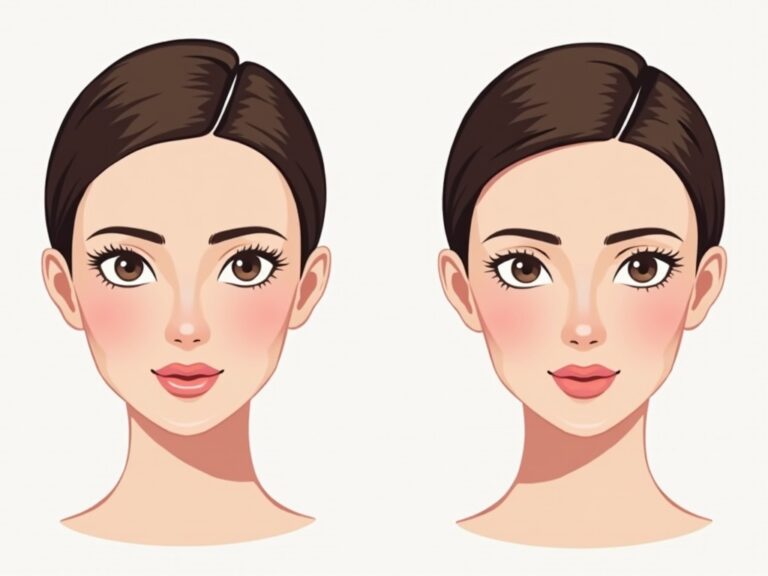

How Long Do Rhinoplasty Results Last? Understanding the Longevity of Nose Surgery
Ever wondered how long the results of a nose surgery will stay? Whether you’re considering a cosmetic change or a functional improvement, the question of durability is at the top of many patients’ minds. In this guide, we break down the factors that influence the lifespan of rhinoplasty, explain what you can realistically expect over the years, and give you practical tips to keep your new look looking fresh for as long as possible.
What Is Rhinoplasty and Why Is Longevity Important?
Rhinoplasty, commonly known as a nose job, is a surgical procedure that reshapes the nose’s bone, cartilage, and skin. It can address aesthetic concerns—such as symmetry, size, or proportion—or functional issues like breathing difficulties. Because the nose is a central facial feature, patients often ask: Will the changes stay permanent, or will they fade as I age? Understanding the answer involves looking at both the surgical technique and the natural aging process.
Key Factors That Determine How Long Results Last
1. Surgical Technique and Expertise
Experienced surgeons use refined techniques that preserve the structural integrity of the nose while achieving the desired shape. A well‑executed procedure minimizes tissue trauma, reduces swelling, and ensures that the new contours are stable. In contrast, less skilled hands may leave behind uneven cartilage or bone that can shift over time.
2. Patient’s Genetics and Age
Genetics play a huge role in how your tissues respond to surgery. Some people have naturally resilient cartilage that holds its shape, while others may experience more pronounced changes as they age. Age itself is a factor: younger patients tend to have more elastic skin and cartilage, which can adapt better to surgical changes.
3. Natural Aging Process
As we age, the skin loses elasticity, and the underlying cartilage can soften or shift. Even after a perfectly performed rhinoplasty, these changes can subtly alter the nose’s appearance over the years. However, the core structural changes—bone and cartilage reshaping—remain largely permanent.
4. Post‑Operative Care and Lifestyle Choices
Following the surgeon’s instructions—avoiding trauma, protecting the skin from UV rays, quitting smoking, and maintaining a healthy diet—can significantly extend the longevity of your results. Neglecting these steps may accelerate aging or cause complications that affect the final look.
What to Expect in the First Few Weeks After Surgery
Immediately after rhinoplasty, swelling and bruising are common. Here’s a quick timeline:
- Day 1–3: Intense swelling, especially around the tip and nostrils.
- Week 1–2: Swelling begins to subside; you may notice a slight improvement in shape.
- Month 1–3: Most swelling is gone; the nose starts to settle into its final form.
- Month 4–6: Final contours become clearer; any minor adjustments are usually complete.
Long‑Term Outlook: 1 to 5 Years After Rhinoplasty
Studies and clinical experience show that the majority of rhinoplasty results stabilize within the first year. Here’s a year‑by‑year snapshot:
- Year 1: The nose has reached its final shape; any residual swelling has resolved.
- Years 2–3: The results remain consistent; the nose continues to age naturally but retains the surgical improvements.
- Years 4–5: The nose may show subtle changes due to overall facial aging, yet the core structure remains intact.
How to Maximize the Longevity of Your Rhinoplasty
- Maintain a Healthy Lifestyle: Balanced nutrition, adequate hydration, and regular exercise support skin health.
- Avoid Smoking: Smoking impairs blood flow and can delay healing and aging.
- Use Sunscreen: UV exposure accelerates skin aging; apply broad‑spectrum SPF 30+ daily.
- Follow Post‑Op Instructions: Keep the nose protected from trauma and follow any prescribed medications.
- Schedule Regular Check‑Ins: Periodic visits to your surgeon can catch early signs of changes and allow for timely interventions.
Frequently Asked Questions
Q: Are rhinoplasty results truly permanent?
A: The structural changes—bone and cartilage reshaping—are permanent. However, natural aging can subtly alter the appearance over time.
Q: Can I get a revision surgery if my nose changes as I age?
A: Yes, revision rhinoplasty is possible. It’s usually considered if you experience functional issues or significant aesthetic changes that affect your satisfaction.
Q: Does the type of rhinoplasty (open vs. closed) affect longevity?
A: Both techniques can produce long‑lasting results. The choice depends on the specific goals and the surgeon’s assessment of your anatomy.
Q: How long does it take to see the final results?
A: Most patients see the final shape within 6–12 months, though subtle changes can continue for up to 2 years.
Conclusion
Rhinoplasty offers a lasting transformation that can boost both appearance and confidence. While the core structural changes are permanent, the natural aging process and lifestyle factors can influence how your nose looks over time. By choosing an experienced surgeon, following post‑operative care guidelines, and adopting a healthy lifestyle, you can maximize the longevity of your results and enjoy a beautifully balanced nose for years to come.