How Obesity Fuels Heart Attack Risk – Why Weight Loss and Surgery Can Save Your Life
Imagine your heart working overtime every time you climb a flight of stairs. For people with obesity, that extra effort isn’t just a temporary inconvenience—it can trigger a cascade of cardiovascular problems that culminate in heart attack, stroke, or heart failure. Understanding the link between excess weight and heart health, and knowing the tools available to reverse it, is essential for anyone looking to protect their most vital organ.
Obesity and the Heart: The Dangerous Connection
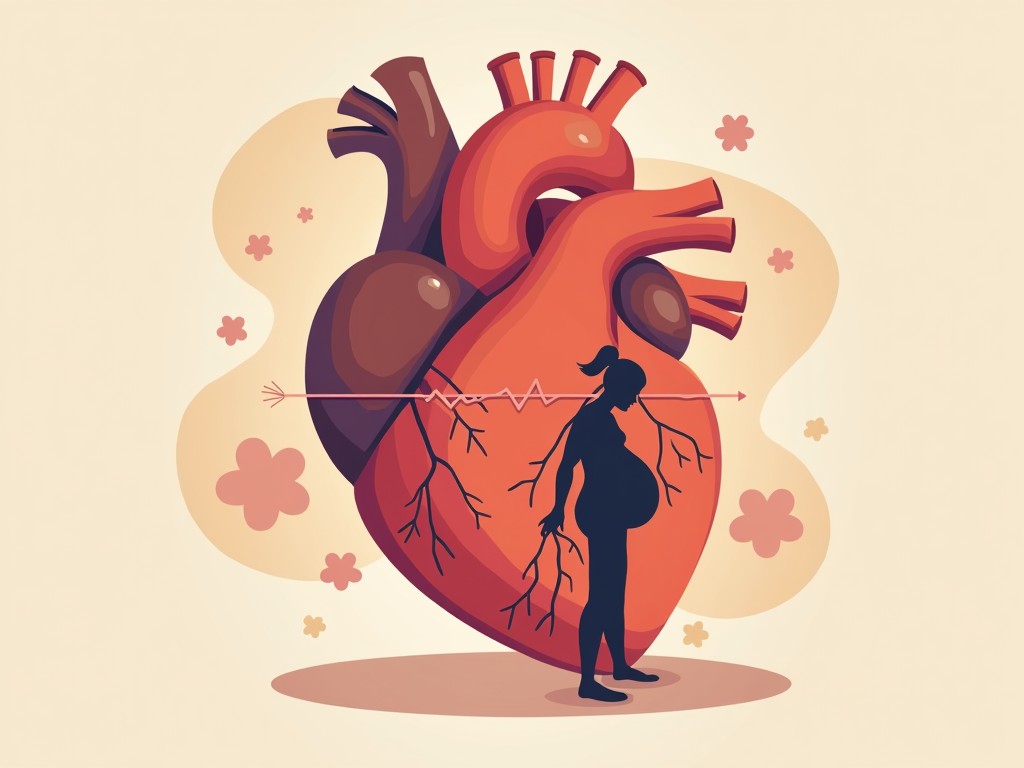
Obesity is more than a cosmetic issue; it is a metabolic condition that places chronic strain on the cardiovascular system. The excess adipose tissue increases blood volume and cardiac output, forcing the heart to pump harder and faster. Over time, this relentless workload can lead to:
- Hypertension (high blood pressure)
- Elevated cholesterol and triglycerides
- Insulin resistance and type 2 diabetes
- Inflammation that damages blood vessels
- Structural changes in the heart muscle and valves
These factors create a perfect storm for a heart attack (myocardial infarction) or stroke.
Common Cardiac Complications in Obese Individuals
Atherosclerosis and Coronary Artery Disease
Excess fat deposits around the arteries form plaques that narrow the vessels, reducing oxygen‑rich blood flow to the heart muscle. When a plaque ruptures, a clot can block the artery, causing a heart attack.
Hypertension and Heart Failure
High blood pressure forces the heart to work harder, thickening the heart muscle (left ventricular hypertrophy). Eventually, the heart may fail to pump efficiently, leading to congestive heart failure.
Arrhythmias and Valve Problems
Obesity can alter the electrical pathways in the heart, causing irregular heartbeats. Fat accumulation around the heart can also compress valves, impairing their function.
How Weight Loss Lowers Heart Attack Risk
Reducing body weight has a direct, measurable impact on cardiovascular risk factors:
- Blood pressure drops by 1–2 mmHg for every 5 kg lost.
- LDL cholesterol and triglycerides decrease, while HDL cholesterol rises.
- Insulin sensitivity improves, lowering the risk of type 2 diabetes.
- Inflammatory markers such as C‑reactive protein decline.
- The heart muscle becomes less hypertrophic, improving pumping efficiency.
Clinical studies show that a 5–10% reduction in body weight can cut the risk of heart attack by up to 30%.
Obesity Surgery: A Powerful Tool for Cardiovascular Health
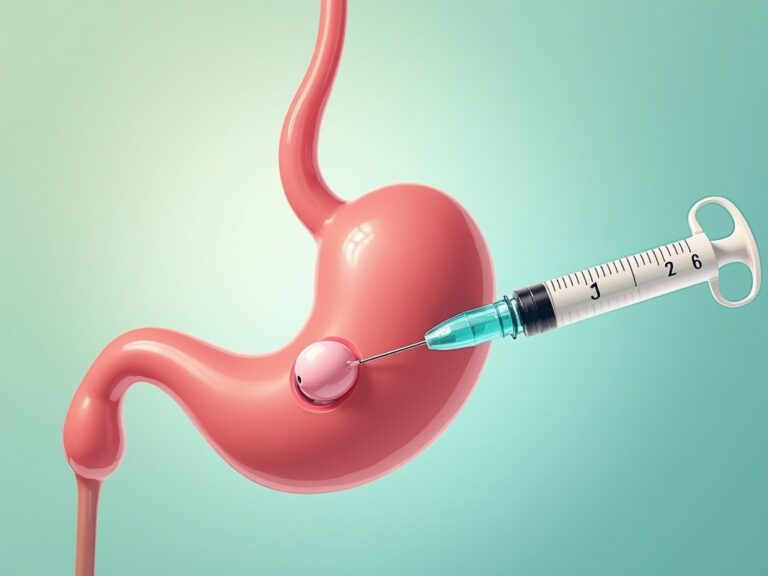
When lifestyle changes alone are insufficient, bariatric surgery offers a rapid and sustained weight loss solution. The most common procedures—gastric bypass, sleeve gastrectomy, and adjustable gastric banding—have been shown to:
- Reduce body mass index (BMI) by 25–35% within the first year.
- Improve or resolve type 2 diabetes in 70–80% of patients.
- Lower systolic blood pressure by 10–15 mmHg.
- Decrease LDL cholesterol and triglycerides.
- Significantly reduce the incidence of cardiovascular events, including heart attack and stroke.
Post‑operative care focuses on nutrition, physical activity, and regular monitoring to maximize cardiovascular benefits and minimize complications.
Managing Blood Pressure and Cholesterol
Even after surgery, ongoing management is crucial:
- Medication: Antihypertensives and statins may be needed initially, often tapering off as weight stabilizes.
- Diet: Emphasize whole grains, lean proteins, fruits, and vegetables while limiting saturated fats and refined sugars.
- Exercise: Aim for at least 150 minutes of moderate aerobic activity per week, combined with strength training.
- Regular check‑ups: Monitor blood pressure, lipid profile, and glucose levels every 3–6 months.
Lifestyle Changes That Complement Surgery
Weight loss surgery is most effective when paired with healthy habits:
- Mindful eating: Pay attention to hunger cues and avoid emotional eating.
- Sleep hygiene: Aim for 7–9 hours of quality sleep to regulate appetite hormones.
- Stress management: Practice yoga, meditation, or deep‑breathing exercises.
- Avoid alcohol and tobacco: Both can negate cardiovascular benefits.
- Community support: Join weight‑loss groups or work with a dietitian.
Frequently Asked Questions
Does obesity surgery guarantee a heart attack will never happen?
No. While surgery dramatically reduces risk, it does not eliminate it entirely. Ongoing lifestyle management and medical follow‑up are essential.
What are the risks of bariatric surgery?
Common risks include infection, bleeding, nutritional deficiencies, and, rarely, serious complications such as bowel obstruction. These risks are outweighed by the long‑term cardiovascular benefits for most patients.
Can I still exercise after surgery?
Yes. In fact, physical activity is a cornerstone of post‑operative success. Your surgeon will provide a tailored exercise plan based on your recovery stage.
Conclusion
Obesity is a silent accelerator of heart disease, but it is also a reversible condition. By understanding the mechanisms that link excess weight to heart attack risk, and by leveraging proven interventions—healthy eating, regular exercise, and, when necessary, bariatric surgery—individuals can dramatically lower their cardiovascular risk profile. The heart is the engine of life; protecting it starts with the first step toward a healthier weight.