
Hysterosalpingography (HSG) Explained: When, Why, and What to Expect
Introduction
For couples struggling with infertility or women experiencing recurrent miscarriages, a clear picture of the uterus and fallopian tubes is essential. Hysterosalpingography (HSG) is a specialized X‑ray test that provides that picture, helping doctors diagnose structural problems and plan effective treatments. In this guide, we’ll walk through what HSG is, why it’s performed, the best timing, how the procedure works, and what you can expect before, during, and after the test.
What Is Hysterosalpingography (HSG)?
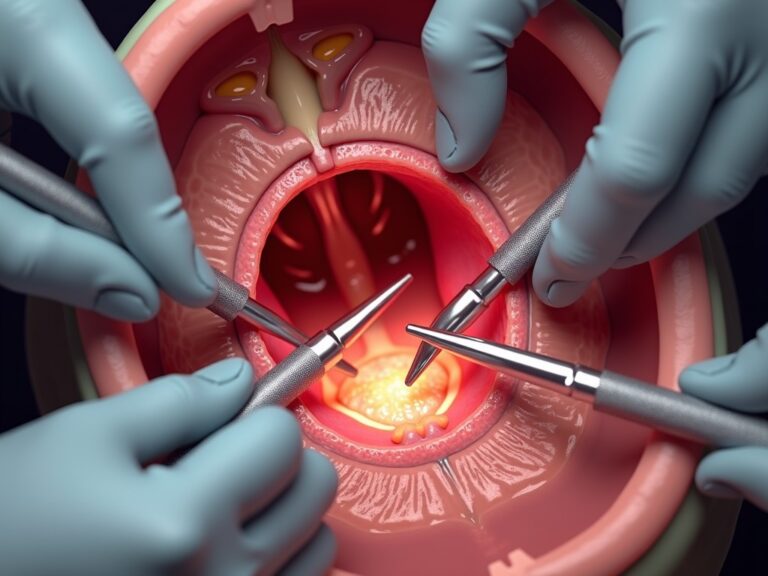
HSG is a radiographic imaging technique that visualizes the interior of the uterus and the fallopian tubes. During the test, a contrast dye is injected into the uterine cavity. As the dye flows through the uterus and into the tubes, X‑ray images capture any blockages, structural abnormalities, or other issues.
Key Diagnostic Insights from HSG
- Uterine lining abnormalities – polyps, fibroids, adhesions, or congenital anomalies such as a septate uterus.
- Fallopian tube patency – whether the tubes are open or blocked.
- Overall uterine shape and size – useful for planning assisted reproductive technologies.
Why Is HSG Performed?
HSG is commonly requested in the following scenarios:
- Infertility work‑up – to check tube patency and uterine health.
- Recurrent miscarriage – to rule out structural causes.
- Pre‑IVF or intrauterine insemination (IUI) evaluation.
- Suspected uterine anomalies that may not be visible on ultrasound.
When Is the Best Time to Schedule an HSG?
The optimal window is the 6th to 10th day after the end of menstruation. This timing offers several advantages:
- The endometrial lining is thin, providing clearer images.
- There is no risk of harming an early pregnancy.
- Infection risk is lower during this phase.
Scheduling HSG during menstruation is not recommended because the thick endometrium can obscure the images.
How Is HSG Performed?
The procedure is quick, usually lasting 10–15 minutes. Here’s a step‑by‑step overview:
- The patient lies on a specialized table and the vaginal area is cleaned with a sterile solution.
- A thin catheter is gently inserted through the cervical canal into the uterus.
- Contrast dye is slowly injected through the catheter.
- Real‑time X‑ray images are taken as the dye flows through the uterus and into the fallopian tubes.
- Images are reviewed and stored for the doctor’s analysis.
Is HSG Painful?
Most patients experience mild cramping similar to menstrual cramps. Pain tolerance varies, but:
- Low‑dose pain relievers can be taken beforehand if advised by the doctor.
- Some centers offer mild sedation for added comfort.
- Overall, HSG is not as painful as many expect.
Post‑Procedure Care and What to Expect
After the test, you may notice:
- Light abdominal cramps or mild pain.
- Vaginal spotting or a small amount of discharge.
- Temporary spotting that usually resolves within a few hours.
Guidelines for the first 24 hours:
- Avoid strenuous exercise and heavy lifting.
- Refrain from sexual intercourse.
- Monitor for severe pain, fever, or foul‑smelling discharge; seek medical attention if these occur.
Benefits of HSG Beyond Diagnosis
While HSG is primarily diagnostic, it can also have therapeutic effects:
- The contrast fluid may help open minor adhesions in the tubes.
- Some patients experience spontaneous conception within a few months after the procedure.
HSG and Assisted Reproductive Technologies (ART)
Before IVF or IUI, HSG is essential to:
- Confirm tube patency – if tubes are blocked, IVF is the preferred option.
- Identify uterine abnormalities that may need surgical correction before embryo transfer.
- Provide baseline imaging for future comparison.
Risks and Complications
HSG is generally safe, but rare complications can occur:
- Infection of the uterus or tubes.
- Allergic reaction to the contrast dye.
- Severe pain or excessive bleeding.
- Formation of new adhesions.
These risks are minimal when the procedure is performed by experienced clinicians in a well‑equipped facility.
Frequently Asked Questions
- Can I have an HSG while menstruating? No, the test should be scheduled after menstruation.
- Will I be able to conceive immediately after HSG? If the tubes are open, the chance of conception increases, but it may still take a few months.
- Do I need anesthesia? Usually not; mild sedation is optional for patients with low pain tolerance.
- Is HSG harmful? No, the low dose of X‑ray radiation is safe and does not pose a risk to future pregnancies.
Conclusion
Hysterosalpingography is a cornerstone of infertility evaluation and uterine assessment. By providing a clear view of the uterus and fallopian tubes, HSG guides clinicians in diagnosing structural issues, planning treatments, and improving the chances of natural conception or successful assisted reproduction. Schedule your HSG during the early follicular phase (6–10 days post‑menstruation) for optimal results, and rest assured that the procedure is quick, minimally uncomfortable, and highly informative.