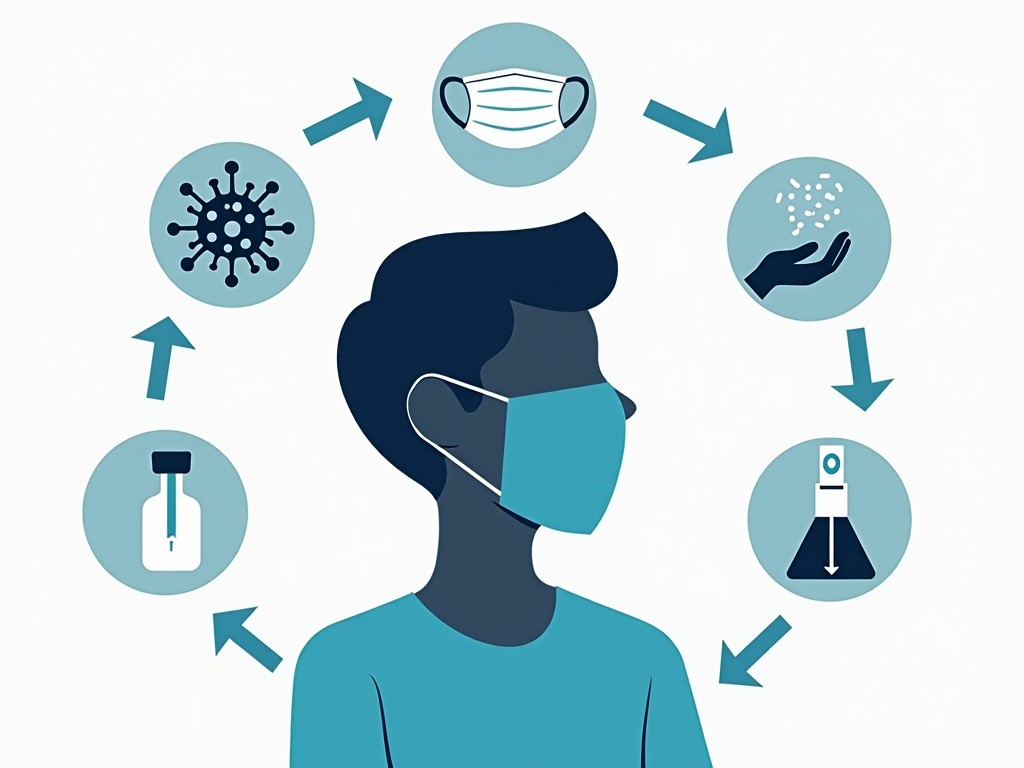
Infectious Diseases 101: Symptoms, Treatment, and Prevention Strategies
Introduction
Infectious diseases are a global health challenge that can strike anyone, anywhere, at any time. From the common cold to life‑threatening conditions like HIV and malaria, understanding how these illnesses spread, what signs to watch for, and how to treat and prevent them is essential for protecting yourself and your community. This guide breaks down the most important facts about infectious diseases, offering clear, actionable information for patients, caregivers, and health professionals alike.
What Are Infectious Diseases?
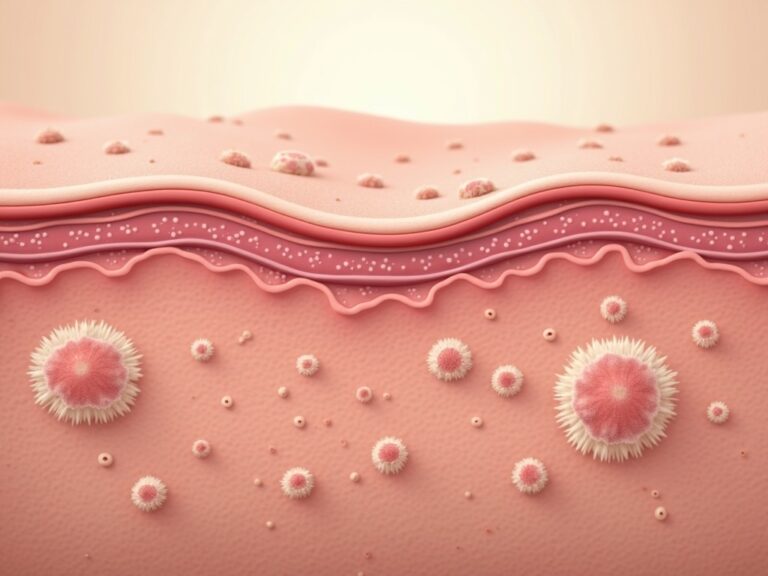
Infectious diseases are illnesses caused by pathogenic microorganisms—viruses, bacteria, fungi, or parasites—that can be transmitted from one host to another. Transmission routes vary widely, including airborne droplets, direct contact, contaminated food or water, sexual contact, and vectors such as mosquitoes.
Common Pathogens and Their Modes of Transmission
- Viruses: COVID‑19, influenza, HIV, hepatitis, measles, chickenpox – primarily spread via respiratory droplets or close contact.
- Bacteria: Tuberculosis, Salmonella, Lyme disease, gonorrhea, meningitis – spread through airborne particles, food, or direct contact.
- Fungi: Histoplasmosis, candidiasis – often spread through inhalation of spores or skin contact.
- Parasites: Malaria, tapeworm, schistosomiasis – transmitted by insect vectors, contaminated water, or food.
Recognizing the Symptoms of Infectious Diseases
Symptoms can vary dramatically depending on the pathogen and the affected organ system. However, several common signs appear across many infections:
- Fever or chills
- Headache and muscle aches
- Cough, sore throat, or nasal congestion
- Fatigue and general weakness
- Gastrointestinal upset: nausea, vomiting, diarrhea
- Skin rashes or lesions
- Breathing difficulties or shortness of breath
Because some infections can be asymptomatic, especially in early stages, regular screening and vigilance are key—particularly for high‑risk populations such as travelers, healthcare workers, and immunocompromised individuals.
Types of Infectious Diseases and Their Typical Presentations
Respiratory Infections
Examples: Influenza, COVID‑19, measles, pertussis. Symptoms often include cough, fever, sore throat, and in severe cases, pneumonia.
Gastrointestinal Infections
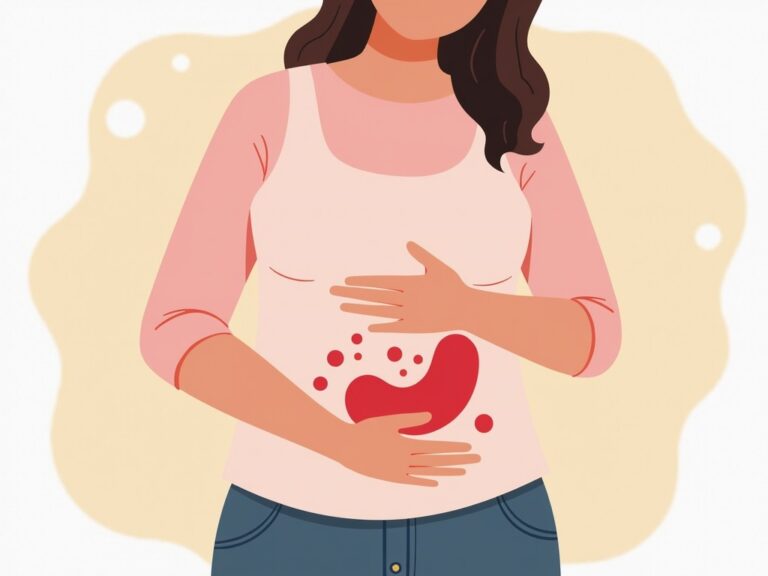
Examples: Salmonella, rotavirus, norovirus. Common signs are vomiting, diarrhea, abdominal cramps, and sometimes fever.
Sexually Transmitted Infections (STIs)
Examples: HIV, gonorrhea, chlamydia, HPV. Symptoms may be subtle or absent; when present, they can include genital discharge, pain during urination, or genital sores.
Vector‑Borne Diseases
Examples: Malaria, dengue fever, Zika virus. Symptoms range from fever and chills to severe joint pain and neurological complications.
Treatment Options for Infectious Diseases
Effective treatment depends on the pathogen type and disease severity. Here’s a quick reference:
- Antibiotics: For bacterial infections such as pneumonia, urinary tract infections, and meningitis.
- Antivirals: For viral infections like influenza (oseltamivir), HIV (combination antiretroviral therapy), and hepatitis B/C (tenofovir, sofosbuvir).
- Antifungals: For fungal infections such as candidiasis (fluconazole) and histoplasmosis (itraconazole).
- Antiparasitics: For malaria (chloroquine, artemisinin‑based combos) and schistosomiasis (praziquantel).
- Vaccination: Preventive measure that can reduce disease incidence and severity for many infections (e.g., measles, HPV, influenza).
Early diagnosis and prompt treatment are critical to prevent complications, reduce transmission, and improve outcomes.
Prevention Strategies: How to Protect Yourself and Others
Vaccination
Vaccines are the most effective tool against many infectious diseases. Keep your immunization schedule up to date, especially for travel, occupational exposure, and routine childhood vaccines.
Hygiene Practices
- Wash hands with soap and water for at least 20 seconds, especially before eating and after using the restroom.
- Use alcohol‑based hand sanitizers when soap is unavailable.
- Cover coughs and sneezes with a tissue or elbow.
- Avoid sharing personal items such as towels, razors, or utensils.
Safe Sexual Practices
Use condoms consistently and correctly. Get regular STI screenings if you are sexually active, especially with new or multiple partners.
Vector Control
Use mosquito repellents, wear long sleeves, and eliminate standing water to reduce mosquito‑borne disease risk.
Food and Water Safety
Ensure food is cooked thoroughly, wash fruits and vegetables, and drink bottled or filtered water when traveling to areas with uncertain water quality.
Infectious Diseases in Children: Why They’re More Vulnerable
Children’s immune systems are still developing, making them more susceptible to infections such as measles, chickenpox, mumps, and rotavirus. School and daycare settings can accelerate spread. Vaccination and routine health checks are vital for protecting this population.
Frequently Asked Questions (FAQs)
1. How long does it take for symptoms to appear after exposure?
Incubation periods vary: influenza and COVID‑19 typically show symptoms within 2–5 days, while HIV may take weeks to months before symptoms emerge.
2. Can I catch an infection from a person who shows no symptoms?
Yes. Many pathogens can be transmitted by asymptomatic carriers, underscoring the importance of preventive measures even when everyone feels fine.
3. When should I seek medical care for a suspected infection?
Seek prompt care if you experience high fever, persistent cough, severe abdominal pain, difficulty breathing, or any symptoms that worsen or do not improve within a few days.
Conclusion
Infectious diseases remain a significant public health concern, but with knowledge, vigilance, and proactive measures—vaccination, hygiene, safe practices, and timely treatment—we can dramatically reduce their impact. Stay informed, stay protected, and encourage those around you to do the same.