
Kidney Stone Surgery 101: When, How, and What to Expect
Kidney stone surgery is a common solution for patients whose stones are too large, painful, or causing complications. If you’re wondering whether you need surgery, which technique is best, or how to recover, this guide covers everything you need to know.
When Is Kidney Stone Surgery Necessary?
Not every kidney stone requires an operation. Small stones (<5 mm) often pass on their own with plenty of fluids and pain medication. Surgery is usually considered when:
- Stone size exceeds 5 mm and is unlikely to pass naturally.
- Pain is severe and unresponsive to medication.
- Stone blocks urine flow, causing hydronephrosis or kidney damage.
- Recurrent urinary tract infections are linked to the stone.
- Kidney function is impaired or the patient has a single kidney.
- Professional or safety concerns (e.g., pilots) demand prompt removal.
Common Kidney Stone Removal Techniques
Extracorporeal Shock Wave Lithotripsy (ESWL)
ESWL uses high‑energy shock waves from outside the body to break stones into tiny fragments that can be passed naturally.
- Pros: No incisions, short hospital stay, quick return to daily life.
- Cons: Less effective for large or hard stones; may require multiple sessions; risk of bleeding or infection.
- Ideal for: Stones 5–10 mm in the kidney or upper ureter, <2 cm in size.
Ureteroscopy (URS)
URS involves inserting a thin scope through the urethra and bladder into the ureter and kidney. Stones are either fragmented with a laser or removed whole.
- Pros: Direct visualization, effective for stones in the ureter and upper kidney.
- Cons: Requires anesthesia, potential for ureteral injury or infection, may need a stent.
- Ideal for: Stones that are not suitable for ESWL, especially in the lower ureter.
Percutaneous Nephrolithotomy (PCNL)
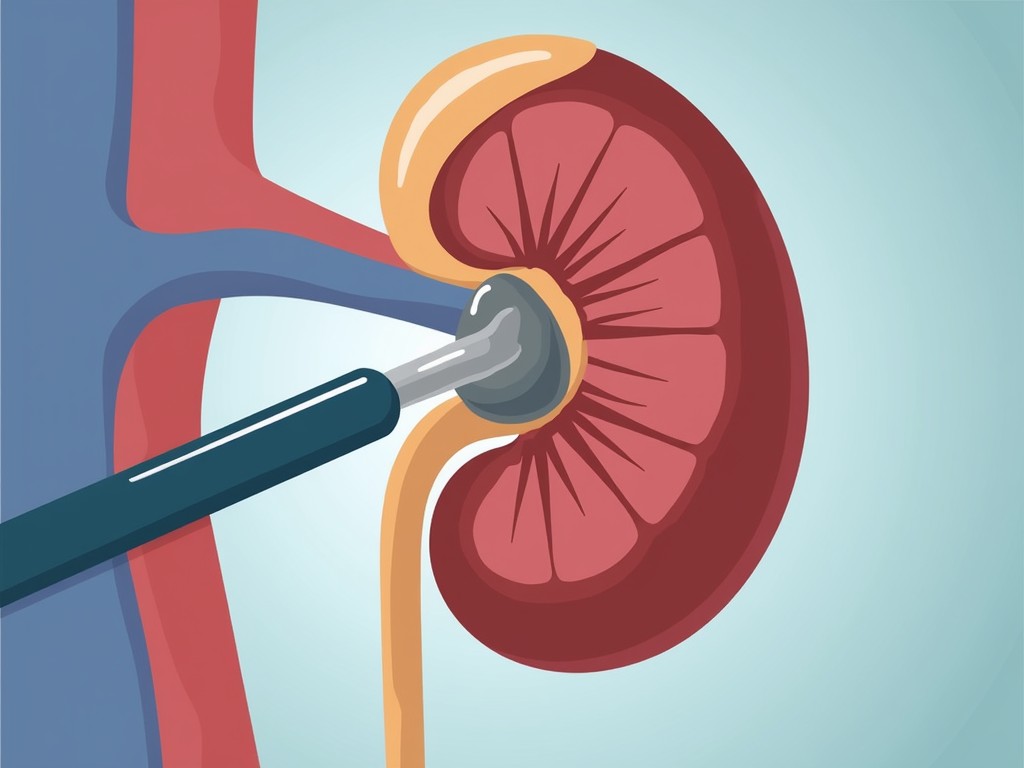
PCNL is a minimally invasive surgery where a small incision is made in the back to access the kidney directly. A nephroscope is used to break or remove the stone.
- Pros: Best for large (>2 cm), complex, or staghorn stones.
- Cons: Requires general anesthesia, longer recovery, higher risk of bleeding or infection.
- Ideal for: Large or multiple stones that cannot be treated by ESWL or URS.
Open or Laparoscopic Surgery
These are rarely used today. Open surgery involves a large incision; laparoscopic surgery uses small ports. They are reserved for very complex cases where other methods fail.
The Surgical Journey: From Pre‑Op to Recovery
Pre‑Operative Assessment
Before surgery, your doctor will review your medical history, perform a physical exam, and order imaging (CT, ultrasound) and lab tests to evaluate kidney function and infection risk.
Day of Surgery
Patients typically fast for 6–8 hours. Anesthesia is administered, and the chosen procedure is performed. Depending on the method, a temporary stent may be placed to ensure urine flow.
Post‑Operative Care
- Monitoring for pain, bleeding, and infection.
- Pain management with prescribed medications.
- Hydration: 2–3 liters of water per day to flush stone fragments.
- Follow‑up imaging to confirm stone clearance.
Recovery Tips and What to Watch For
- Hydration: Keep drinking fluids to help pass fragments.
- Pain control: Take medications as directed; report uncontrolled pain.
- Activity: Rest for a few days; avoid heavy lifting for at least a week.
- Diet: Maintain a balanced diet; avoid excessive salt and oxalate‑rich foods if advised.
- Stent care: If a stent was placed, follow instructions for removal and watch for urinary symptoms.
- Follow‑up: Attend all scheduled appointments for imaging and lab tests.
Potential Complications
While kidney stone surgery is generally safe, possible risks include:
- Bleeding or need for transfusion.
- Urinary tract infection or sepsis.
- Ureteral or kidney injury.
- Anesthesia complications.
- Incomplete stone removal or recurrence.
When to Seek Immediate Medical Attention
- Severe, persistent pain.
- High fever (≥38 °C).
- Vomiting or inability to keep fluids down.
- Reduced urine output or blood in urine.
- Signs of infection or sepsis.
Frequently Asked Questions (FAQ)
What is the cost of kidney stone surgery?
Costs vary by procedure, hospital, and surgeon. Insurance coverage and out‑of‑pocket expenses differ, so consult your provider and surgeon for a detailed estimate.
When can I resume sexual activity after surgery?
Most patients can wait 1–2 weeks, but this depends on the procedure and your recovery. Discuss with your doctor.
Can I become pregnant after kidney stone surgery?
Yes, pregnancy is possible after surgery. If you plan to conceive, talk to your healthcare provider about timing and any necessary precautions.
How can I prevent future kidney stones?
- Stay well hydrated.
- Limit salt and animal protein.
- Avoid excessive oxalate foods (spinach, nuts, chocolate) if advised.
- Maintain a healthy weight and exercise regularly.
- Follow any medication or dietary recommendations from your urologist.
Conclusion
Kidney stone surgery offers a safe and effective way to relieve pain, restore kidney function, and prevent complications. With advances in minimally invasive techniques—ESWL, ureteroscopy, and PCNL—patients can expect shorter hospital stays and quicker returns to normal life. If you suspect you have a kidney stone or are experiencing symptoms, schedule an evaluation with a urologist to determine the best treatment plan for your situation.