Late Ovulation Explained: Causes, Symptoms, and How to Boost Your Fertility
Introduction
When you’re trying to conceive, timing is everything. Most couples assume that ovulation will happen around the middle of a 28‑day cycle, but for many women, the egg is released later than expected. This phenomenon, known as late ovulation or late fertilization, can delay pregnancy and create frustration. In this guide, we’ll break down what late ovulation is, why it happens, how to spot it, and what steps you can take to improve your chances of getting pregnant.
What Is Late Ovulation?
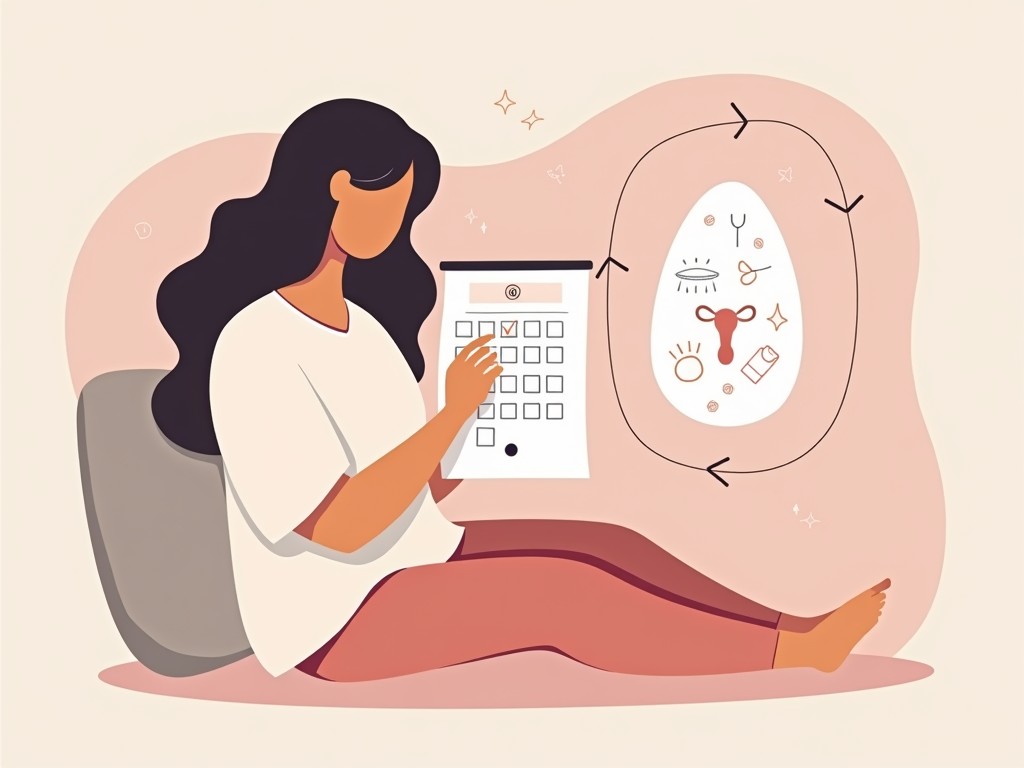
Ovulation is the process where a mature egg is released from the ovary and travels down the fallopian tube, ready to meet sperm. In a typical 28‑day cycle, ovulation occurs around day 14. Late ovulation refers to the release of the egg after day 21, which is outside the normal window for most women. While this doesn’t automatically mean infertility, it can reduce the fertile window and make conception more difficult.
Common Causes of Late Ovulation
Several factors can push ovulation later in the cycle. Understanding these can help you identify potential issues and seek appropriate treatment.
- Polycystic Ovary Syndrome (PCOS) – Hormonal imbalance that often delays ovulation.
- Endometriosis – Abnormal tissue growth outside the uterus can interfere with ovulation.
- Uterine Fibroids – Non‑cancerous growths that may affect hormone signaling.
- Pelvic Inflammatory Disease (PID) – Infections that can disrupt reproductive function.
- Fallopian Tube Blockage – Physical obstruction that delays egg transport.
- Low Ovarian Reserve (DOR) – Reduced egg quality and quantity.
- Age‑Related Changes – Hormonal shifts become more pronounced with age.
- Obesity – Excess weight can alter estrogen levels.
- Stress – Chronic stress can disrupt the hypothalamic‑pituitary‑gonadal axis.
- Medications – Certain antidepressants, steroids, and antihypertensives may delay ovulation.
- Thyroid Disorders – Hypothyroidism or hyperthyroidism can affect menstrual timing.
- Diabetes – Poor glucose control can interfere with ovulation.
- Breastfeeding – Lactational amenorrhea can delay return of ovulation.
Recognizing the Symptoms of Late Ovulation
Not every woman will notice symptoms, but some common signs include:
- Changes in cervical mucus after the expected ovulation date (becoming clear, stretchy, and egg‑white‑like).
- Shifts in basal body temperature (a slight rise that occurs after ovulation).
- Lower‑right abdominal pain or discomfort later in the cycle.
- Light spotting or spotting that occurs after the usual fertile window.
- Increased libido that peaks later than expected.
- Vaginal discharge that becomes thin and clear later in the cycle.
If you suspect late ovulation, consider using a fertility monitor or a home pregnancy test after the expected fertile window to confirm whether ovulation occurred.
Can You Still Get Pregnant With Late Ovulation?
Yes, but the timing becomes more critical. The egg remains viable for about 12–24 hours after release. If ovulation is delayed, the window for sperm to fertilize the egg narrows. To maximize your chances:
- Track ovulation with basal body temperature charts or ovulation predictor kits.
- Have intercourse during the last few days of your cycle and the day after ovulation.
- Maintain a healthy lifestyle—balanced diet, regular exercise, and stress management.
- Consult a fertility specialist if you’re over 35 or have other risk factors.
Potential Consequences of Late Ovulation
While late ovulation itself isn’t a disease, it can lead to:
- Delayed pregnancy, which may increase emotional stress.
- Misinterpretation of fertility status, leading to unnecessary medical interventions.
- In some cases, it may signal underlying reproductive disorders that could progress to infertility.
Treatment Options for Late Ovulation
Management depends on the underlying cause. Common approaches include:
- Ovulation Induction – Medications such as clomiphene citrate or letrozole stimulate the ovaries.
- Intrauterine Insemination (IUI) – Placing sperm directly into the uterus to increase the chance of fertilization.
- In Vitro Fertilization (IVF) – Eggs are retrieved and fertilized outside the body, then transferred back into the uterus.
- Lifestyle Modifications – Weight loss, smoking cessation, and stress reduction can improve hormonal balance.
- Addressing Underlying Conditions – Treating PCOS, endometriosis, or thyroid disorders can normalize ovulation timing.
Frequently Asked Questions
What medical treatments are available for late ovulation?
Options include ovulation induction drugs, IUI, IVF, and ICSI (intracytoplasmic sperm injection) if sperm quality is an issue.
Is late ovulation hereditary?
There is evidence that ovulation timing can run in families, suggesting a genetic component, but the exact genes involved are still under investigation.
How can I prevent late ovulation?
Maintain a healthy weight, manage stress, avoid smoking and excessive alcohol, and keep regular menstrual cycles. Regular check‑ups with a reproductive endocrinologist can catch early signs of ovulation delay.
Conclusion
Late ovulation is a common but often overlooked factor that can delay pregnancy. By understanding the signs, tracking your cycle accurately, and seeking appropriate medical care, you can improve your chances of conception. Remember, a healthy lifestyle and early intervention are key to navigating fertility challenges successfully.