
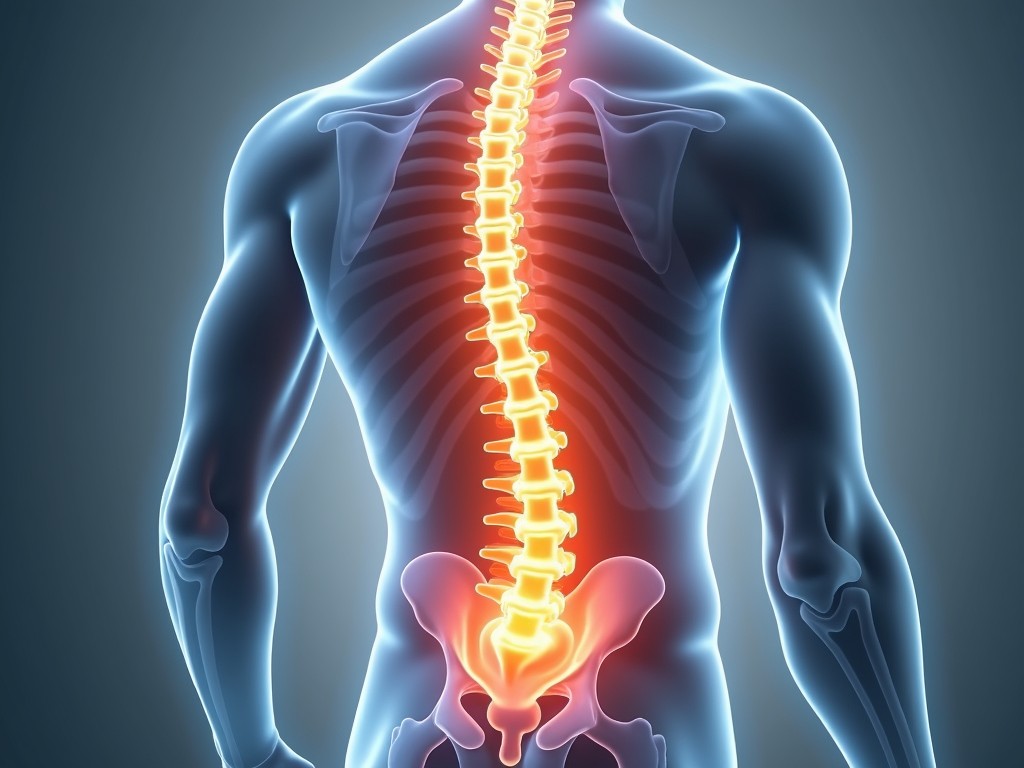
Lumbar Flattening Explained: Causes, Symptoms, Diagnosis, and Effective Treatment
Introduction
Have you ever felt a sudden stiffness in your lower back after a long day at the desk, only to notice that your lumbar curve seems flatter than usual? This common yet often overlooked condition—known as lumbar flattening or back straightening—can lead to chronic pain, reduced mobility, and a lower quality of life if left untreated. In this guide, we break down the anatomy, causes, symptoms, diagnostic methods, and evidence‑based treatments for lumbar flattening, giving you the knowledge you need to protect and restore your spine.
What Is Lumbar Flattening?
The human spine naturally follows a gentle S‑shaped curve. In the lower back, this is called lumbar lordosis, a slight inward dip that helps distribute weight evenly and maintain balance. Lumbar flattening occurs when this natural curve is lost, resulting in a straighter, less flexible lower back. The loss of lordosis can increase strain on the vertebrae, discs, and surrounding musculature, often manifesting as pain or stiffness.
Why Is the Natural Curve Important?
Think of the lumbar curve as a built‑in shock absorber. It:
- Distributes mechanical load across the vertebral bodies and intervertebral discs.
- Reduces the shear forces on facet joints.
- Allows for efficient movement and posture maintenance.
When the curve flattens, these protective mechanisms are compromised, leading to increased stress on the spine and a higher risk of injury.
Common Causes of Lumbar Flattening
1. Prolonged Poor Posture
Extended periods of sitting—especially with a forward‑leaning posture—can weaken the core and back muscles that support lordosis.
2. Overweight and Obesity
Excess abdominal weight shifts the center of gravity forward, pulling the lumbar spine into a straighter alignment.
3. Muscular Imbalance
Weak abdominal muscles paired with tight hip flexors and lower back extensors can disrupt the natural curvature.
4. Trauma and Injury
Falls, car accidents, or sudden hyperextension can damage the discs or ligaments, causing the spine to straighten.
5. Age‑Related Degeneration
Disc dehydration, osteophyte formation, and facet joint arthropathy can all contribute to a loss of lordosis over time.
6. Stress and Tension
Psychological stress often leads to muscle tension, especially in the thoracolumbar region, which can temporarily flatten the curve.
Recognizing the Symptoms
While some individuals may remain asymptomatic, many experience:
- Lower back pain that worsens after prolonged sitting or standing.
- Stiffness or a “tight” feeling in the lumbar region.
- Radiating pain or tingling down the legs (if nerve roots are compressed).
- Difficulty bending forward or twisting.
- Visible loss of the natural lumbar dip when viewed from the side.
Diagnosing Lumbar Flattening
Accurate diagnosis typically involves a combination of:
- Physical Examination: Assessment of posture, range of motion, and muscle strength.
- Imaging: X‑ray or MRI scans that reveal the curvature angle and any associated disc or joint pathology.
- Functional Tests: Evaluations such as the straight‑leg raise or slump test to identify nerve involvement.
It is essential to rule out other conditions—such as spondylolisthesis or spinal stenosis—before attributing symptoms solely to lumbar flattening.
Treatment Strategies
1. Core Strengthening and Flexibility
Targeted exercises can restore the lumbar curve by balancing muscle forces:
- Pelvic Tilts: Lying on your back, gently tilt the pelvis to create a slight arch in the lower back.
- Bridges: Raise the hips while keeping the shoulders and feet grounded.
- Cat‑Cow Stretch: On all fours, alternate between arching and rounding the spine.
- Bird‑Dog: Extend opposite arm and leg while maintaining a neutral spine.
2. Postural Education
Ergonomic adjustments—such as chair height, monitor position, and keyboard placement—can prevent further flattening. Using a lumbar roll or a small pillow behind the lower back while sitting can reinforce the natural curve.
3. Manual Therapy
Physical therapists may employ spinal mobilizations, myofascial release, or trigger point therapy to relieve tension and improve mobility.
4. Pain Management
Non‑steroidal anti‑inflammatory drugs (NSAIDs), heat therapy, or transcutaneous electrical nerve stimulation (TENS) can provide symptomatic relief while the underlying issue is addressed.
5. Advanced Interventions
In severe or refractory cases, options such as spinal bracing, epidural steroid injections, or even surgical decompression may be considered under specialist guidance.
Can Lumbar Flattening Be Reversed?
Yes—most cases respond well to a structured rehabilitation program. Consistency is key: performing core exercises daily, maintaining proper ergonomics, and managing stress can gradually restore the lumbar lordosis. However, the degree of reversal depends on factors such as age, severity, and the presence of degenerative changes.
Sleep Position Tips for a Straighter Spine
- Back Sleep: Place a thin pillow under the knees to maintain the natural lumbar curve.
- Side Sleep: Insert a pillow between the knees to keep the hips aligned.
- Avoid Stomach Sleep: This position forces the spine into a neutral or slightly flattened posture, exacerbating lordosis loss.
Frequently Asked Questions
Does lumbar flattening cause leg pain?
It can. When the lumbar curve is lost, nerve roots may become compressed, leading to radiating pain, tingling, or numbness in the legs.
Will an MRI always show lumbar flattening?
Not necessarily. While MRI provides detailed images of soft tissues, a plain X‑ray is often sufficient to assess the curvature angle. Your clinician will choose the most appropriate imaging modality.
What lifestyle changes help prevent lumbar flattening?
Maintain a healthy weight, incorporate regular core strengthening and stretching into your routine, take frequent breaks from prolonged sitting, and practice stress‑reduction techniques such as mindfulness or yoga.
Conclusion
Lumbar flattening is more than just a cosmetic issue—it reflects a fundamental imbalance in the spine’s biomechanics that can lead to pain and functional limitations. By understanding the anatomy, recognizing early symptoms, and engaging in targeted rehabilitation, you can restore your natural lumbar curve and reclaim a pain‑free, active life. If you suspect you’re experiencing lumbar flattening, consult a qualified healthcare professional for a personalized assessment and treatment plan.