Lung Cancer Chemotherapy: How It Works, When It’s Used, and Managing Side Effects
Introduction
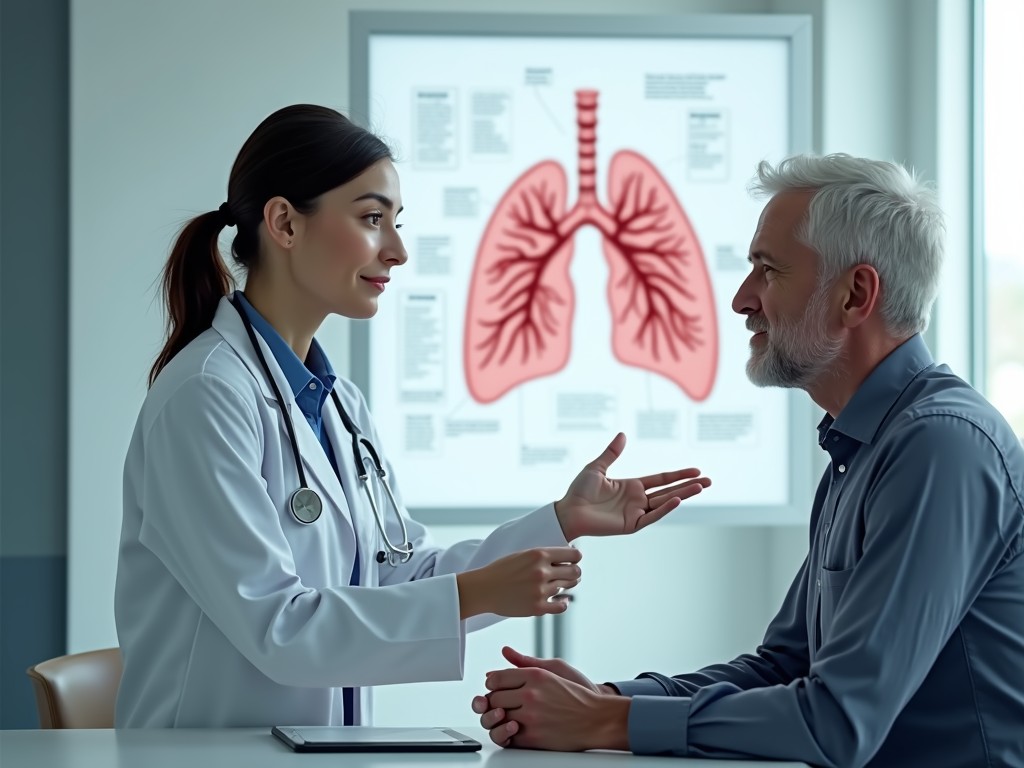
Lung cancer remains one of the most challenging cancers worldwide, with a high mortality rate and complex treatment pathways. Among the arsenal of therapies, chemotherapy has long been a cornerstone, especially for rapidly dividing tumor cells. Yet, many patients and caregivers still have questions about how chemotherapy fits into lung cancer treatment, what to expect, and how side effects are managed. This guide provides a comprehensive, evidence‑based overview of lung cancer chemotherapy, tailored for patients, families, and healthcare professionals.
What Is Chemotherapy and Why Is It Used in Lung Cancer?
Chemotherapy is a systemic drug therapy that targets cells that divide quickly. Lung cancer cells, particularly in small‑cell lung cancer (SCLC), proliferate at a rapid rate, making them especially vulnerable to cytotoxic agents. By interfering with DNA replication or mitotic processes, chemotherapy can halt tumor growth, shrink lesions, and, in some cases, prolong survival.
Key Points About Chemotherapy
- Administered intravenously by trained medical oncology specialists.
- Treatment cycles typically repeat every 3 weeks, but schedules are individualized.
- Side effects arise because normal tissues with high turnover—hair follicles, gastrointestinal lining, skin, and bone marrow—are also affected.
- Long‑term continuous use is limited by cumulative toxicity.
When Is Chemotherapy Indicated for Lung Cancer?
The decision to use chemotherapy depends on several factors: cancer subtype, stage, patient performance status, and overall health. Below is a breakdown of how chemotherapy is applied across the two main lung cancer categories.
Small‑Cell Lung Cancer (SCLC)
SCLC is characterized by aggressive growth and early metastasis. Because of its rapid proliferation, chemotherapy is the first‑line treatment and often combined with radiation therapy.
- Limited‑stage SCLC: Chemotherapy + concurrent thoracic radiation.
- Extensive‑stage SCLC: Systemic chemotherapy alone or with immunotherapy.
- Common regimens: Cisplatin or carboplatin plus etoposide.
Non‑Small‑Cell Lung Cancer (NSCLC)
NSCLC accounts for the majority of lung cancers and grows more slowly. Chemotherapy remains important, especially in advanced stages, but targeted therapies and immunotherapies are increasingly preferred when actionable mutations or biomarkers are present.
- Early‑stage NSCLC: Surgery or stereotactic radiotherapy may suffice; adjuvant chemotherapy is considered for high‑risk patients.
- Stage III–IV NSCLC: Combination of chemotherapy with immunotherapy (e.g., pembrolizumab) or targeted agents (e.g., EGFR inhibitors).
- Common regimens: Platinum‑based doublets such as cisplatin + pemetrexed or carboplatin + paclitaxel.
How Is Chemotherapy Planned and Delivered?
Planning is a meticulous process that begins with a full medical evaluation, including:
- Physical examination and performance status assessment.
- Laboratory tests: CBC, liver and kidney function, electrolytes.
- Imaging studies: CT, PET, MRI to stage disease.
- Biopsy and molecular profiling to identify targetable mutations.
Based on these data, the oncology team selects the most appropriate drug regimen, dose, and schedule. The goal is to maximize tumor kill while minimizing toxicity. Adjustments are made after each cycle depending on blood counts, organ function, and patient tolerance.
Common Side Effects and Their Management
Because chemotherapy attacks rapidly dividing cells, patients often experience a range of side effects. Effective management relies on proactive monitoring and supportive care.
Hair Loss (Alopecia)
Temporary hair loss is common. Patients can use wigs, scarves, or hats. Hair typically regrows within 3–6 months after therapy completion.
Gastrointestinal Symptoms
- Nausea and vomiting: Antiemetics such as ondansetron or dexamethasone.
- Diarrhea: Loperamide; monitor for dehydration.
- Loss of appetite: Nutritional counseling and appetite stimulants.
Myelosuppression
Bone marrow suppression can lead to anemia, neutropenia, and thrombocytopenia. Management includes:
- Growth factor support (e.g., G‑CSF).
- Transfusions for severe anemia or thrombocytopenia.
- Infection prophylaxis and prompt treatment of fevers.
Fatigue
Persistent tiredness is common. Recommendations: regular light exercise, adequate sleep, and energy‑conserving strategies.
Neuropathy
Some agents (e.g., platinum compounds) can cause peripheral neuropathy. Dose adjustments and neuropathic pain medications may be necessary.
Frequently Asked Questions (FAQ)
- Q: Can I take chemotherapy if I have other health conditions?
A: Your oncologist will evaluate your overall health and adjust the regimen accordingly. - Q: How long does a chemotherapy cycle last?
A: Typically 3 weeks, but this can vary. - Q: Will chemotherapy affect my fertility?
A: Some agents can impact fertility; discuss options with a reproductive specialist. - Q: Is chemotherapy safe during pregnancy?
A: It is generally contraindicated; consult your oncologist and obstetrician. - Q: Can I combine chemotherapy with other treatments?
A: Yes—often combined with radiation, immunotherapy, or targeted therapy.
Conclusion
Chemotherapy remains a vital component of lung cancer treatment, especially for small‑cell disease and advanced non‑small‑cell cases. Its effectiveness hinges on careful patient selection, precise dosing, and vigilant side‑effect management. While newer targeted therapies and immunotherapies are reshaping the landscape, chemotherapy’s role—particularly in combination regimens—continues to improve survival and quality of life for many patients. Early diagnosis, personalized treatment planning, and comprehensive supportive care are the pillars that enable patients to navigate chemotherapy successfully.