Mastering Oral Hygiene: 4 Expert Tips for a Healthier Smile
We all know that a bright smile is a powerful asset, yet many of us overlook the simple habits that keep our mouths healthy. Whether you’re a busy professional, a student, or a parent juggling multiple responsibilities, mastering effective oral care can save you from costly dental visits and discomfort down the road. In this guide, we’ll break down four proven strategies—backed by dental experts—to elevate your daily mouth care routine.
1. Start Your Day with a Fresh Brush
Contrary to popular belief, the best time to brush isn’t after breakfast but right when you wake up. Brushing first thing in the morning removes overnight plaque and bacteria, giving you a clean slate before you consume any food or drinks.
- Why morning brushing matters: Overnight, saliva production drops, allowing bacteria to thrive. A morning brush reduces this bacterial load.
- Timing after meals: If you do brush after eating, wait at least 30 minutes—especially after acidic foods or drinks—to avoid eroding enamel.
- Use fluoride toothpaste: Fluoride strengthens enamel and helps prevent cavities.
2. Master the Brushing Technique
How you brush is just as important as how often. A proper technique ensures you clean all surfaces without damaging gums or enamel.
- Angle & pressure: Hold the brush at a 45‑degree angle to the gum line and use gentle, circular motions.
- Coverage: Brush each tooth’s outer, inner, and chewing surfaces. For front teeth, tilt the brush vertically and move up and down.
- Duration: Aim for two minutes—two 30‑second segments for each quadrant of your mouth.
- Don’t forget the tongue: Bacteria on the tongue can cause bad breath; gently brush from back to front.
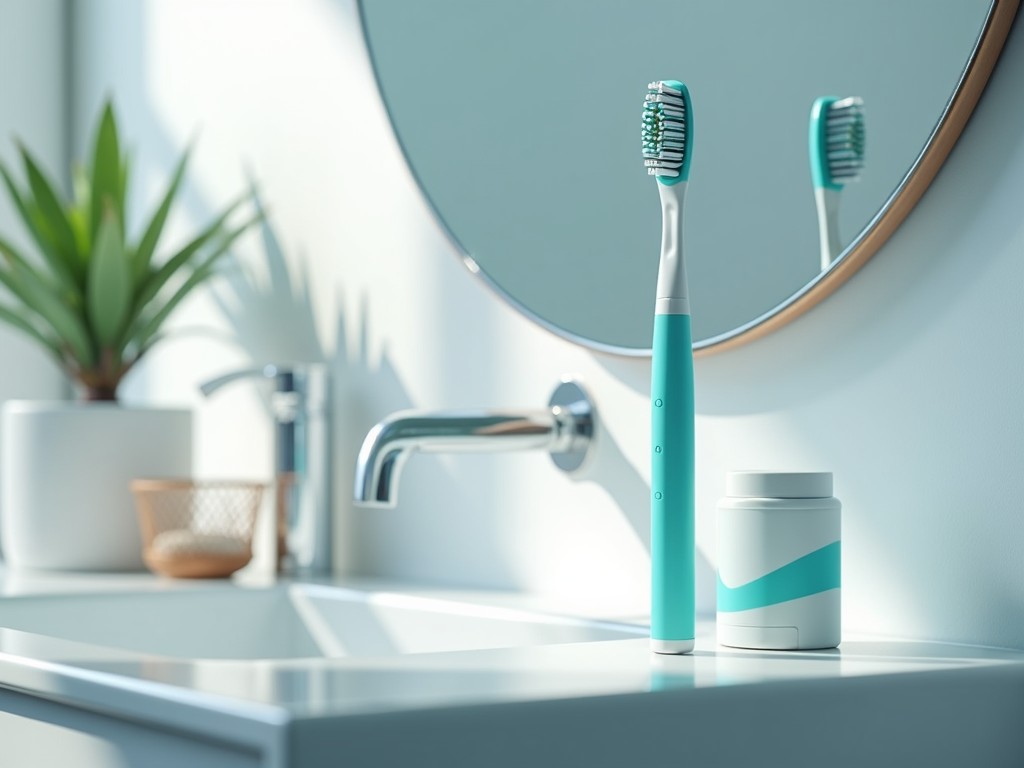
3. Choose the Right Toothbrush & Store It Properly
Whether you opt for a manual or electric brush, the right choice can make a noticeable difference.
Manual vs. Electric
- Manual brushes: Effective if you use proper technique; choose soft bristles to protect gums.
- Electric brushes: Vibrations and built‑in timers help maintain consistency; many models sync with apps for progress tracking.
Storage Tips
- Rinse thoroughly and place the brush upright to air‑dry.
- Avoid storing in closed containers or near the toilet to prevent bacterial contamination.
- Replace the brush head or entire brush every three months (or sooner if bristles fray).
4. Don’t Forget Tongue Cleaning
The tongue is a hidden reservoir of bacteria that can lead to bad breath and even influence overall oral health. Incorporate tongue cleaning into your routine:
- Use a standard toothbrush or a dedicated tongue scraper.
- Scrape gently from the back of the tongue toward the front, rinsing after each pass.
- Do this once a day—ideally after brushing your teeth.
Frequently Asked Questions
How often should I replace my toothbrush?
Replace every three months or sooner if the bristles become frayed. A worn brush is less effective at removing plaque.
Can I use a hard‑bristled brush?
Hard bristles can irritate gums and wear down enamel. Opt for soft or medium‑soft bristles for daily use.
Is fluoride toothpaste necessary?
Yes—fluoride helps remineralize enamel and prevents cavities. Look for the American Dental Association (ADA) seal of approval.
Conclusion
Effective oral hygiene doesn’t have to be complicated. By starting your day with a fresh brush, mastering the technique, selecting the right tools, and cleaning your tongue, you’ll protect your teeth, freshen your breath, and maintain a confident smile. Consistency is key—make these habits part of your daily routine, and you’ll enjoy a healthier mouth for years to come.