Maximizing Weight Loss with Endoscopic Gastric Balloon and Bariatric Nutrition
In the quest for sustainable weight loss, the endoscopic gastric balloon has emerged as a minimally invasive solution that can accelerate results. Yet, the balloon alone is not a magic bullet. Pairing it with a carefully structured bariatric nutrition plan unlocks its full potential, ensuring patients not only shed pounds quickly but also maintain healthy habits long after the balloon is removed.
What Is an Endoscopic Gastric Balloon?
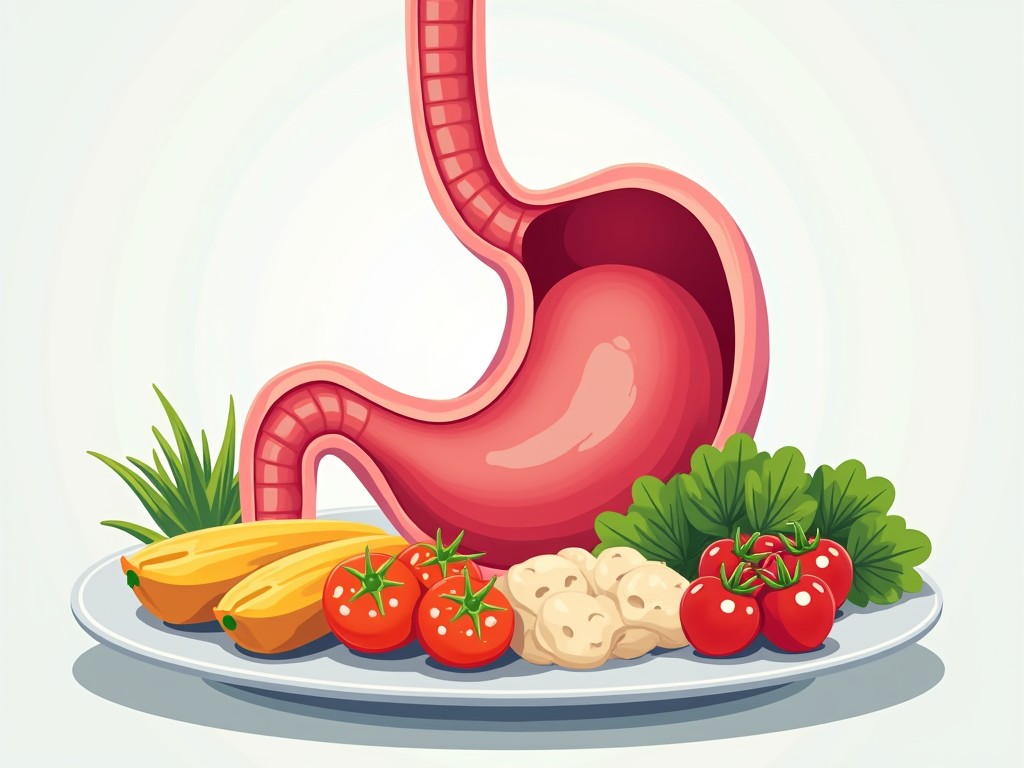
The endoscopic gastric balloon is a silicone device that is inserted into the stomach via an endoscope and filled with saline or air. By occupying space, it reduces stomach volume, making patients feel fuller after eating just a few spoonfuls. This immediate satiety translates into a lower daily caloric intake and, over time, significant weight loss.
Why Bariatric Nutrition Matters After Balloon Placement
While the balloon limits how much food can physically fit in the stomach, the quality of the calories you consume remains critical. Bariatric nutrition—characterized by high protein, low refined carbohydrates, and healthy fats—supports muscle preservation, stabilizes insulin levels, and promotes a feeling of fullness that the balloon alone cannot guarantee.
Key Principles of Bariatric Nutrition
- Protein‑Rich Foods: Lean meats, fish, eggs, dairy, legumes, and plant‑based proteins keep muscle mass intact during weight loss.
- Low‑Carb Focus: Reducing simple sugars and refined grains helps regulate blood sugar and reduces cravings.
- Healthy Fats: Avocado, nuts, seeds, and olive oil provide satiety and essential fatty acids.
- Micronutrient Density: Vegetables, fruits, and whole grains supply vitamins and minerals that may otherwise be missed due to smaller portions.
Practical Eating Strategies for Balloon Patients
Adapting to a smaller stomach requires thoughtful changes in meal timing, portion size, and chewing habits.
Meal Timing and Portion Control
- Eat smaller, more frequent meals—5 to 6 times a day—to avoid overfilling the stomach.
- Use a small plate or bowl to visually limit portions.
- Include a protein source in every meal to extend satiety.
Chewing and Eating Pace
- Chew each bite 20–30 times before swallowing.
- Take 15–20 minutes to finish a meal; this gives the brain time to register fullness.
- Avoid talking while chewing to reduce the risk of choking or discomfort.
Fluid Management
Because the balloon occupies space, fluid intake must be balanced to prevent bloating or dehydration.
- Drink liquids at least 30 minutes before or after meals.
- Avoid carbonated, caffeinated, or acidic drinks during meal times.
- Aim for 2–2.5 liters of water daily, spread evenly throughout the day.
Supplementation: When and What to Take
Even with a nutrient‑dense diet, the reduced food volume can lead to deficiencies. Common supplements include:
- Multivitamin with minerals (especially B12, iron, calcium, and vitamin D).
- Protein powder (whey or plant‑based) to meet daily protein targets.
- Omega‑3 fatty acids for cardiovascular support.
Monitoring Progress and Adjusting the Plan
Regular follow‑ups with a bariatric dietitian or surgeon are essential. They can:
- Track weight loss trajectory and adjust caloric goals.
- Review lab results for nutrient deficiencies.
- Modify meal plans based on patient tolerance and preferences.
Frequently Asked Questions
1. How long does the gastric balloon stay in place?
Typically, the balloon remains for 6 to 12 months, after which it is removed endoscopically.
2. Can I eat solid foods while the balloon is in place?
Yes, but only in small, well‑chewed portions. Soft, low‑fiber foods are easier to tolerate initially.
3. Will I lose muscle mass during weight loss?
High protein intake and resistance training help preserve muscle. A dietitian can tailor protein recommendations to your needs.
4. Is the balloon safe for everyone?
It is generally safe for adults with a BMI of 30–40. Contraindications include severe gastrointestinal disorders or pregnancy. A thorough evaluation by a qualified bariatric surgeon is mandatory.
Conclusion
The endoscopic gastric balloon offers a powerful, minimally invasive tool for rapid weight loss, but its success hinges on a disciplined bariatric nutrition strategy. By combining reduced stomach capacity with high‑quality, protein‑rich meals, mindful fluid intake, and targeted supplementation, patients can achieve faster results, maintain muscle mass, and establish lifelong healthy habits. Partnering with a bariatric dietitian and surgeon ensures personalized guidance, turning the balloon experience into a transformative journey toward lasting wellness.