
Meniere’s Disease Explained: Symptoms, Diagnosis, and Treatment Options for Inner Ear Vertigo
Meniere’s disease is a chronic inner‑ear disorder that can cause debilitating vertigo, hearing loss, and tinnitus. If you or a loved one experience sudden spinning sensations, a feeling of fullness in the ear, or fluctuating hearing, you might be dealing with this condition. This guide breaks down what Meniere’s disease is, how it’s diagnosed, and the latest treatment strategies to help you regain balance and confidence.
What Is Meniere’s Disease?
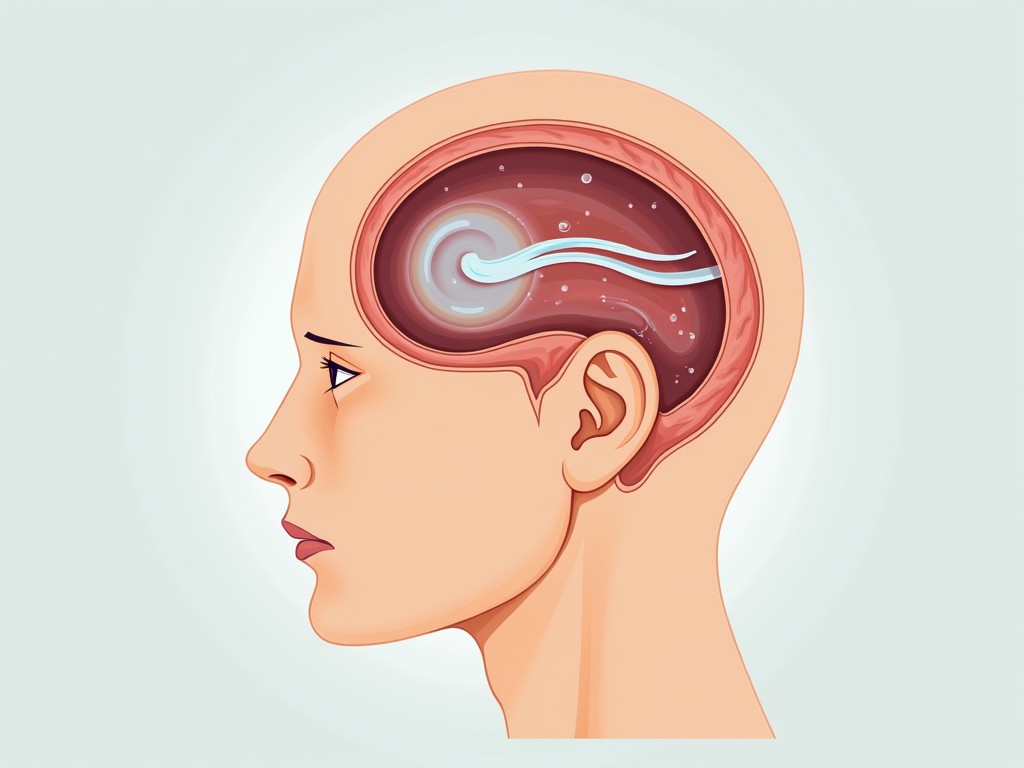
Meniere’s disease is an inner‑ear disorder characterized by an abnormal buildup of fluid (endolymph) in the vestibular system. The increased pressure disrupts the delicate balance and hearing mechanisms, leading to the classic triad of symptoms: vertigo, hearing loss, and tinnitus. While the exact cause remains unclear, factors such as immune response, viral infections, and genetic predisposition are thought to play a role.
Key Facts
- Prevalence: 40–100 cases per 100,000 people.
- Typical onset: Around age 40, though it can affect any age group.
- Bilaterality: About 20% of patients experience both ears.
Common Symptoms to Watch For
Recognizing the early signs can help you seek timely care. The hallmark symptoms include:
- Vertigo – a spinning sensation lasting from minutes to 24 hours, often accompanied by nausea or vomiting.
- Tinnitus – ringing or buzzing in the ear, which may be intermittent or constant.
- Hearing loss – usually low‑frequency, fluctuating, and worsening after a vertigo attack.
- Feeling of fullness or pressure in the ear.
- Unconscious eye movements (nystagmus) during an attack.
Triggers such as stress, high salt intake, caffeine, and alcohol can precipitate an episode.
Diagnosing Meniere’s Disease
Because symptoms overlap with other vestibular disorders, a thorough evaluation is essential. The diagnostic process typically involves:
- Otoacoustic Emission (OAE) and Audiometry – to assess hearing thresholds and detect low‑frequency loss.
- Vestibular Function Tests – caloric testing, video head‑impulse test (vHIT), and vestibular evoked myogenic potentials (VEMPs).
- Imaging – MRI or CT scans to rule out tumors or inner‑ear malformations.
- Glycerol Test – a temporary hearing improvement after glycerol ingestion can support the diagnosis.
Diagnosis is often based on a combination of clinical history, symptom pattern, and test results.
Treatment Options for Meniere’s Disease
Managing Meniere’s disease involves a multi‑pronged approach: acute attack relief, long‑term prevention, and, in severe cases, surgical intervention.
1. Acute Attack Management
- Hospitalization for severe vertigo.
- Intravenous fluids and anti‑emetics.
- Medications such as betahistine (Betaserc) to improve inner‑ear blood flow.
2. Long‑Term Prevention
- Dietary Modifications – low‑salt diet, reduced caffeine and alcohol.
- Stress Management – mindfulness, yoga, or counseling.
- Diuretics – to reduce fluid retention.
- Regular vestibular rehabilitation exercises.
3. Surgical Interventions
When medical therapy fails, surgery may be considered. Options include:
- Endolymphatic Sac Decompression – connects the fluid‑filled sac to the mastoid cavity to relieve pressure.
- Vestibular Nerve Section – cuts the vestibular nerve to stop vertigo while preserving hearing.
- Labyrinthectomy – removal of the inner ear structures; reserved for patients with profound hearing loss.
Living With Meniere’s Disease: Lifestyle Tips
Adopting healthy habits can significantly reduce attack frequency:
- Maintain a balanced, low‑salt diet.
- Stay hydrated but avoid excessive fluids.
- Limit stimulants like caffeine and nicotine.
- Practice regular, gentle exercise to improve balance.
- Use a support system – family, friends, or support groups.
Frequently Asked Questions
Is Meniere’s disease curable?
There is no definitive cure, but effective management can control symptoms and improve quality of life.
Can Meniere’s disease lead to permanent hearing loss?
Yes, repeated attacks can cause progressive hearing loss, especially in the low‑frequency range.
When should I seek emergency care?
If vertigo lasts more than 24 hours, is accompanied by severe nausea, vomiting, or neurological deficits, seek immediate medical attention.
Conclusion
Meniere’s disease can be a challenging condition, but with early recognition, proper diagnosis, and a comprehensive treatment plan, patients can manage symptoms and maintain an active lifestyle. If you suspect you have Meniere’s disease, consult an otolaryngologist or vestibular specialist for personalized care.