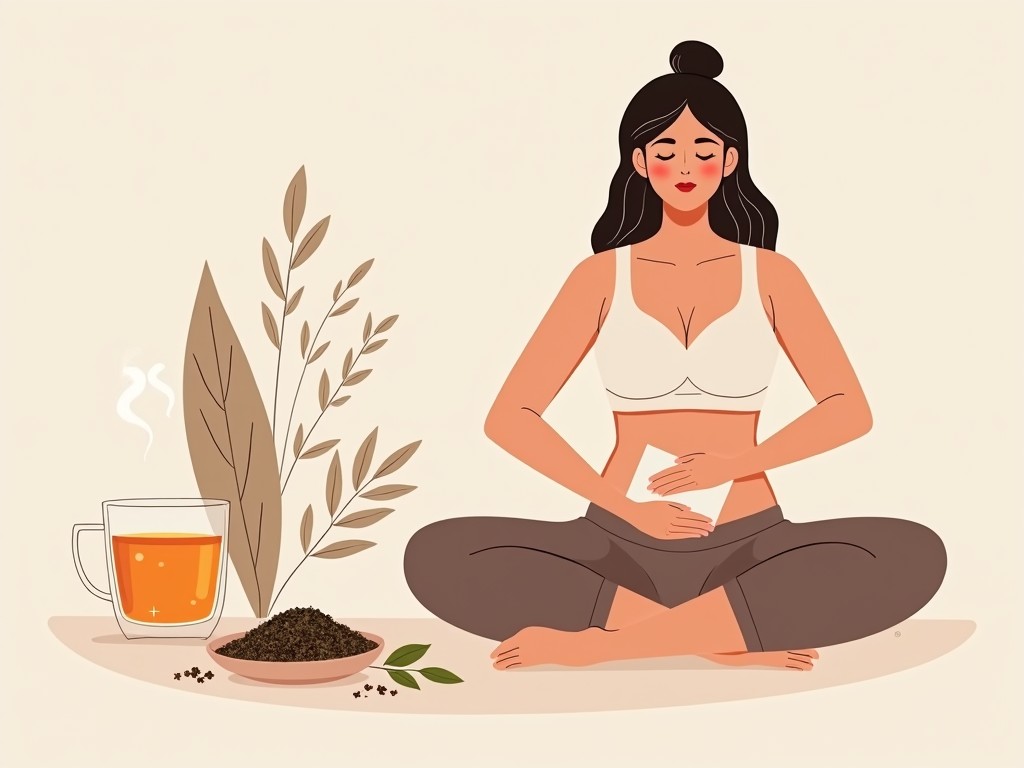
Menstrual Cramps Unpacked: Natural Remedies, Pain Relief & Expert Tips
Menstrual cramps can turn a routine day into a painful ordeal. Whether you’re a first‑time experiencer or a seasoned warrior, finding effective relief is essential for maintaining productivity, mood, and overall well‑being. In this guide, we dive deep into the science behind menstrual pain, explore proven natural remedies, and outline when to seek medical help. By the end, you’ll have a comprehensive toolkit to keep cramps at bay.
Understanding Menstrual Cramps
Menstrual cramps, or dysmenorrhea, arise when the uterus contracts to shed its lining during menstruation. These contractions are triggered by prostaglandins—chemical messengers that increase muscle tone and pain sensitivity. While mild cramps are common, severe pain can disrupt daily life, work, and relationships.
Types of Dysmenorrhea
- Primary dysmenorrhea – Pain without an underlying pelvic condition, usually starting within the first few years of menstruation.
- Secondary dysmenorrhea – Pain caused by conditions such as endometriosis, fibroids, or pelvic inflammatory disease.
Natural Remedies That Work
Many women turn to natural approaches before resorting to medication. Below are evidence‑based methods that can ease cramps and improve comfort.
1. Heat Therapy
Applying warmth to the lower abdomen relaxes uterine muscles and increases blood flow. Options include a hot water bottle, heating pad, or a warm bath. Heat is especially effective when used within the first 24 hours of menstruation.
2. Gentle Exercise
Low‑impact activities such as walking, yoga, or swimming release endorphins—your body’s natural painkillers. Aim for 15–20 minutes daily during your period to reduce cramp intensity.
3. Stress Management
Stress amplifies prostaglandin production. Techniques like deep breathing, meditation, aromatherapy, or a relaxing massage can lower stress hormones and soothe cramps.
4. Balanced Nutrition
- Omega‑3 fatty acids – Found in fish oil, flaxseed, and walnuts, they possess anti‑inflammatory properties.
- Leafy greens, berries, and whole grains – Rich in magnesium and antioxidants.
- Hydration – Adequate water intake helps maintain muscle function and reduces cramp severity.
5. Herbal Teas & Supplements
- Chamomile tea – Anti‑inflammatory and muscle‑relaxing.
- Peppermint tea – Calms the digestive system and eases abdominal tension.
- Ginger tea – Reduces prostaglandin synthesis and alleviates nausea.
- Rosemary tea – Supports circulation and reduces pain.
- Omega‑3 supplements – 1–2 grams daily can lower cramp intensity.
6. Lifestyle Adjustments
- Maintain a regular sleep schedule.
- Avoid excessive caffeine and alcohol during menstruation.
- Practice mindful breathing during cramps to shift focus away from pain.
When to Consider Medical Treatment
While natural methods are effective for many, severe or persistent cramps warrant professional evaluation. Consider seeing a healthcare provider if you experience:
- Cramp pain that interferes with daily activities.
- Pain that starts before the period or lasts longer than a week.
- Accompanying symptoms such as heavy bleeding, fever, or severe abdominal pain.
Common Medical Options
- NSAIDs – Ibuprofen or naproxen reduce prostaglandin production.
- Hormonal birth control – Birth control pills, patches, or IUDs regulate menstrual flow and reduce cramps.
- Endometrial ablation or hysterectomy – Surgical options for refractory cases linked to structural abnormalities.
Practical Tips for Managing Cramps Daily
- Keep a cramp diary to track severity, triggers, and effective remedies.
- Use a heat pack or warm compress within the first 12 hours of menstruation.
- Incorporate a short yoga routine focusing on pelvic twists and gentle stretches.
- Drink a cup of ginger or chamomile tea after meals.
- Take a short walk after meals to stimulate circulation.
Frequently Asked Questions (FAQ)
1. Can chocolate really help with menstrual cramps?
Chocolate contains caffeine and theobromine, which can temporarily elevate mood but do not have a proven analgesic effect on cramps. It may provide a brief sense of comfort, but it’s not a reliable pain relief method.
2. How long does it take for natural remedies to work?
Heat therapy and gentle exercise can provide relief within minutes to an hour. Herbal teas and supplements may take a few days of consistent use to show noticeable benefits.
3. Are there any foods to avoid during menstruation?
Limit high‑salt, sugary, and processed foods, as they can increase bloating and inflammation. Also, reduce caffeine and alcohol intake to prevent dehydration and hormonal imbalance.
4. When should I seek a doctor for menstrual cramps?
If cramps are severe, persistent, or accompanied by abnormal bleeding, fever, or pelvic pain, consult a healthcare professional promptly.
Conclusion
Menstrual cramps are a common yet manageable challenge. By combining heat therapy, gentle movement, balanced nutrition, and herbal support, many women find significant relief without medication. However, it’s essential to recognize when medical intervention is necessary. Keep a symptom log, experiment with the remedies above, and consult a professional if pain escalates. With the right approach, you can reclaim comfort and confidence during every cycle.