Orthodontic Treatment 101: How It Works, Who Needs It, and Modern Options
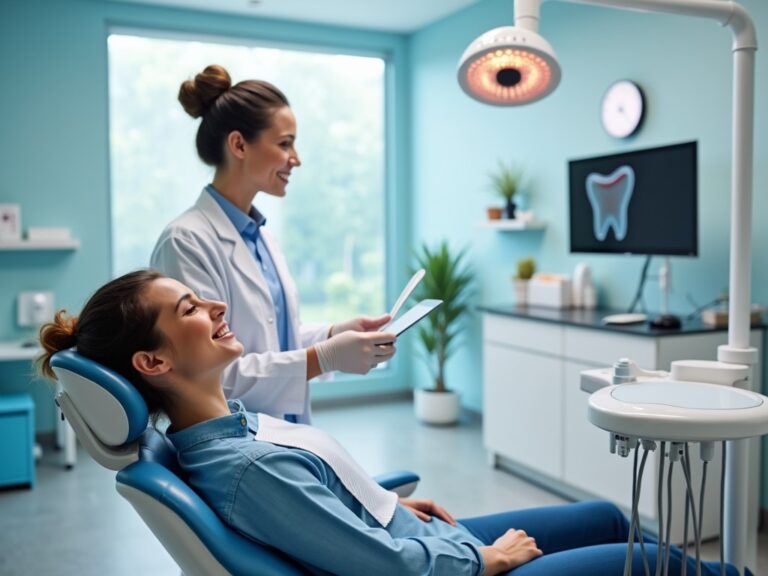
Are you or your child looking for a confident, healthy smile? Orthodontic treatment can transform not only your appearance but also your bite and overall oral health. In this guide, we’ll walk through what orthodontic treatment is, who can benefit, the latest technologies, and the step‑by‑step process from consultation to post‑treatment care.
What Is Orthodontic Treatment?
Orthodontic treatment is a specialized dental procedure aimed at correcting misaligned teeth and jaw discrepancies. By using appliances such as braces, clear aligners, or other orthodontic devices, an orthodontist reshapes the dentition and jaw structure to achieve both functional and aesthetic results.
Who Needs Orthodontic Treatment?
While orthodontic care is often associated with children, it is beneficial for patients of all ages. Common indications include:
- Crowded Teeth: When teeth are too close together, causing difficulty chewing and cleaning.
- Spacing Issues: Gaps between teeth that affect bite and appearance.
- Jaw Misalignment: Overbites, underbites, or crossbites that can lead to speech or chewing problems.
- Early or Late Development: Children who develop teeth early or late may need early intervention.
- Adult Aesthetics: Adults seeking a straighter smile without visible metal brackets.
Modern Orthodontic Technologies
Today’s orthodontic practice offers a range of options beyond traditional metal braces:
- Clear Plastic Brackets: Less noticeable than metal, suitable for teens and adults.
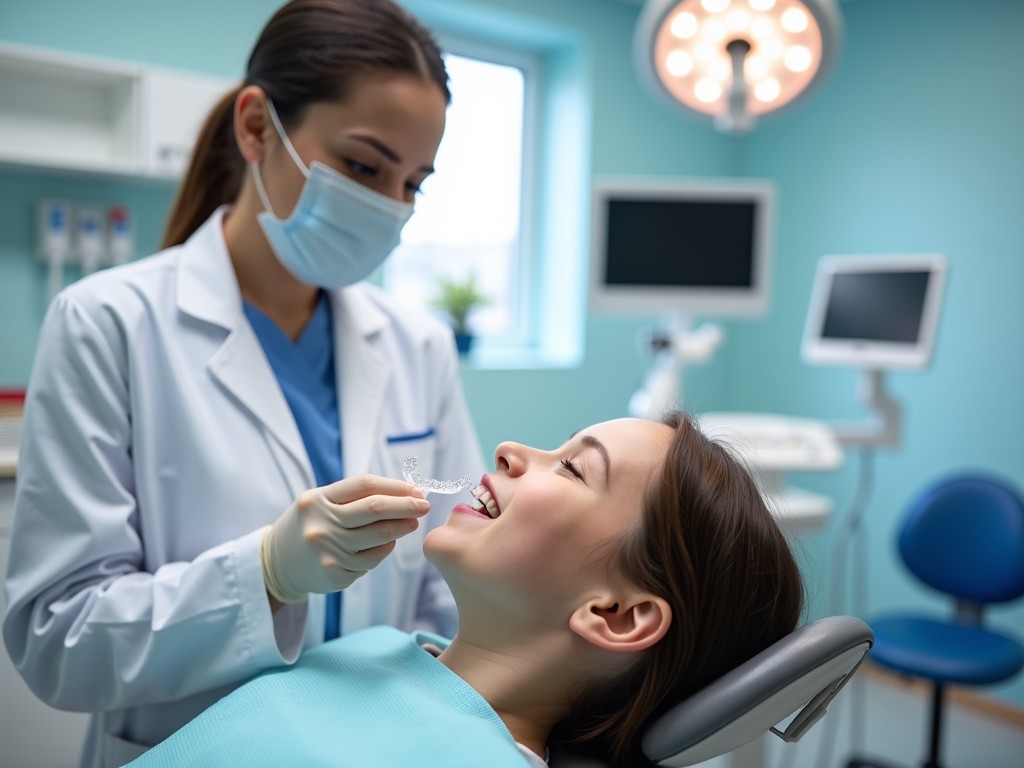
- Invisalign® Aligners: Removable, clear trays that gradually shift teeth.
- Lingual Braces: Brackets placed on the inner side of teeth, invisible from the front.
- Self‑Ligating Brackets: Reduce friction, potentially shortening treatment time.
The Orthodontic Treatment Journey
1. Comprehensive Examination & Diagnosis
The first step is a detailed dental exam, including X‑rays, photographs, and dental impressions. This data helps the orthodontist create a personalized treatment plan.
2. Treatment Planning
Using the diagnostic information, the orthodontist outlines the desired tooth positions, the type of appliances, and an estimated treatment duration.
3. Appliance Placement
Depending on the plan, braces are bonded to the teeth or aligners are fitted. The orthodontist ensures proper fit and comfort.
4. Regular Adjustments & Monitoring
Patients visit the office every 4–6 weeks for adjustments. The orthodontist fine‑tunes the appliance to keep the teeth moving toward the target positions.
5. Appliance Removal & Retention
Once the teeth reach the desired alignment, braces or aligners are removed. A retainer is prescribed to maintain the new position.
Early vs. Adult Orthodontics
Early intervention (ages 7–11) can prevent more complex issues later. Adult orthodontics, thanks to invisible braces and aligners, offers discreet options for those who previously avoided treatment.
Post‑Treatment Care
Maintaining the results requires:
- Regular dental check‑ups.
- Consistent retainer wear as advised.
- Proper oral hygiene to prevent decay or gum disease.
- Avoiding hard or sticky foods that could dislodge retainers.
Frequently Asked Questions
Q: How long does orthodontic treatment take?
Typical treatment lasts 18–36 months, but it varies based on complexity and patient compliance.
Q: Is orthodontic treatment painful?
Initial discomfort is common after appliance placement or adjustments, but it usually subsides within a few days.
Q: Can I eat normally during treatment?
Most patients can eat a normal diet, but it’s best to avoid hard, sticky, or chewy foods that may damage braces.
Conclusion
Orthodontic treatment is a proven, effective way to correct dental misalignments and improve oral function. Whether you’re a child needing early intervention or an adult seeking a discreet solution, modern orthodontic options provide personalized care for every age group. Consult a qualified orthodontist—such as Dr. Merve Aycan in Antalya—to develop a treatment plan that fits your lifestyle and goals. A straighter, healthier smile is within reach.