
Ozone Therapy for Skin Spots: A Proven, Safe Solution to Restore Radiant Skin
Skin spots—whether caused by sun exposure, hormonal changes, or aging—can be a persistent source of frustration and self‑consciousness. Traditional treatments such as topical creams, chemical peels, and laser therapy often come with side effects, high costs, or limited results. In recent years, ozone therapy has emerged as a natural, minimally invasive option that targets pigmentation at the cellular level. This article explores how ozone therapy works, its benefits for skin spots, recommended treatment protocols, and practical tips for integrating it into your skincare routine.
What Is Ozone Therapy and How Does It Work on the Skin?
Ozone (O3) is a triatomic form of oxygen that, when applied in controlled doses, can enhance oxygen delivery to skin cells. The process stimulates cellular metabolism, promotes collagen production, and accelerates the turnover of dead skin cells. By improving oxygenation, ozone therapy helps to:
- Reduce melanin concentration in hyperpigmented areas
- Improve skin elasticity and firmness
- Decrease inflammation and redness
- Boost the skin’s natural antioxidant defenses
Why Ozone Therapy Is Effective for Skin Spots
Skin spots, or hyperpigmentation, arise when melanocytes produce excess melanin in response to UV radiation, hormonal shifts, or inflammatory triggers. Ozone therapy addresses these root causes through several mechanisms:
- Oxidative Stress Reduction: Ozone activates the skin’s antioxidant enzymes, neutralizing free radicals that contribute to pigment overproduction.
- Collagen Stimulation: By encouraging fibroblast activity, ozone promotes collagen synthesis, which tightens the dermis and diminishes the appearance of spots.
- Enhanced Cellular Turnover: The therapy accelerates the shedding of pigmented cells, allowing new, evenly toned skin to surface.
- Anti‑Inflammatory Action: Ozone’s anti‑inflammatory properties reduce post‑inflammatory hyperpigmentation, a common cause of dark spots after acne or eczema.
Recommended Ozone Therapy Protocols for Skin Spots
While professional guidance is essential, here are common approaches used by dermatologists and aesthetic clinics:
1. Ozone Gas Application (Topical)
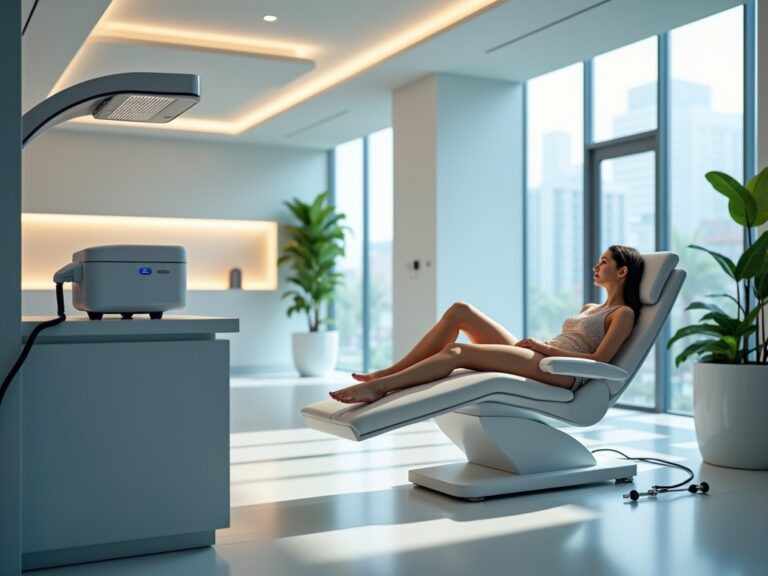
In this method, a controlled concentration of ozone gas is applied directly to the affected area using a specialized device. Sessions typically last 10–15 minutes, and a full course may involve 6–12 treatments spaced one week apart.
2. Ozone‑Infused Oil or Serum
Ozone can be dissolved in carrier oils or serums, creating a topical product that delivers antioxidant benefits. This DIY approach allows for daily application at home, though the concentration is lower than clinical treatments.
3. Ozone‑Assisted Micro‑Needling
Combining micro‑needling with ozone enhances penetration of active ingredients and stimulates deeper collagen remodeling. This hybrid technique is often reserved for stubborn spots or patients seeking a more intensive regimen.
Safety, Side Effects, and Precautions
When performed by trained professionals, ozone therapy is generally safe. Common mild side effects include temporary redness, tingling, or a slight burning sensation—usually resolving within a few hours. Rare complications can arise if ozone concentration is too high or exposure time is excessive. Therefore:
- Always seek treatment from certified practitioners.
- Discuss any pre‑existing skin conditions or medications.
- Follow post‑treatment care instructions, such as avoiding direct sunlight for 48 hours.
Integrating Ozone Therapy Into Your Skincare Routine
For those who prefer at‑home care, ozone‑infused products can complement a comprehensive routine:
- Cleanse with a gentle, pH‑balanced cleanser.
- Apply Ozone‑Infused Serum to target spots, allowing it to absorb fully.
- Follow with a Broad‑Spectrum SPF 30+** to protect newly regenerated skin.
- In the evening, use a retinol or niacinamide serum** to support collagen production.
Frequently Asked Questions
Q: How long does it take to see results?
Most patients notice a visible reduction in spot intensity after 4–6 weeks of consistent treatment. Full results may take up to 3 months, depending on spot severity.
Q: Can ozone therapy be combined with other treatments?
Yes. It can be safely paired with chemical peels, laser therapy, or microneedling, but spacing treatments appropriately is crucial to avoid over‑exposure.
Q: Is ozone therapy suitable for all skin types?
Ozone therapy is generally safe for all Fitzpatrick skin types, but individuals with extremely sensitive or reactive skin should consult a dermatologist before starting.
Conclusion: A Bright Future for Spot‑Free Skin
Ozone therapy offers a promising, science‑backed alternative for those seeking to diminish skin spots without the drawbacks of harsher procedures. By enhancing oxygen delivery, stimulating collagen, and reducing inflammation, it tackles hyperpigmentation at its core. Whether you opt for professional sessions or incorporate ozone‑infused products into your daily regimen, this innovative approach can help you achieve clearer, more radiant skin. Take the first step toward a spot‑free complexion—consult a qualified practitioner and explore the transformative potential of ozone therapy today.