
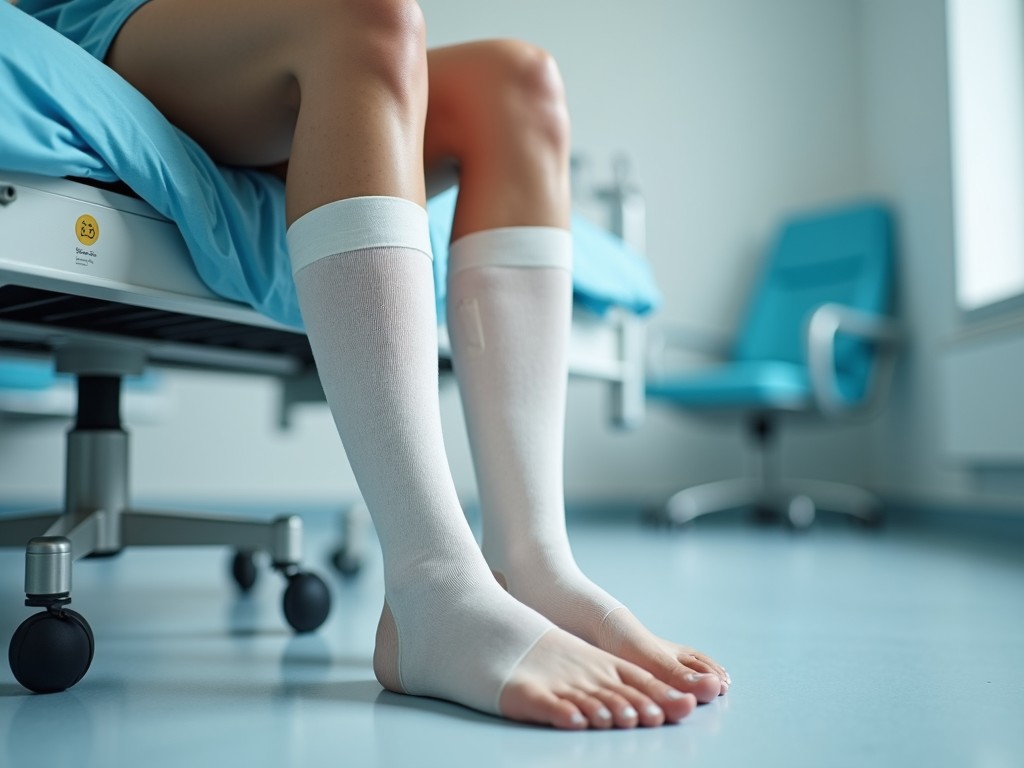
Postoperative Varicose Socks: Why They’re Essential & How to Use Them Correctly in 2026
Introduction
After any surgical procedure, the body’s healing process is a delicate balance of rest, nutrition, and targeted support. While doctors prescribe pain medication and recommend gentle movement, one often overlooked tool can dramatically reduce complications and speed recovery: the postoperative varicose sock. In 2025, medical compression stockings have become a staple in post‑surgery care, yet many patients still wonder when to start wearing them, how to choose the right size, and what to avoid. This guide answers those questions and gives you a step‑by‑step plan to use varicose socks effectively.
Why Postoperative Varicose Socks Matter
After surgery, especially orthopedic, abdominal, or vascular procedures, patients typically experience:
- Reduced mobility and prolonged bed rest
- Slowed venous return from the legs
- Increased risk of deep vein thrombosis (DVT) and pulmonary embolism
- Swelling (edema) and discomfort
Compression stockings counteract these issues by applying graduated pressure—highest at the ankle and decreasing up the calf. This design:
- Accelerates blood flow back to the heart
- Prevents blood pooling and clot formation
- Reduces swelling and pain
- Supports the veins and muscles during the healing phase
How They Work: The Science Behind Compression
Compression stockings create a controlled external force that:
- Compresses the venous walls, narrowing the lumen and increasing blood velocity
- Stimulates the calf muscle pump, enhancing venous return
- Maintains a consistent pressure gradient, preventing fluid accumulation
Clinical studies show that properly fitted compression stockings can reduce DVT incidence by up to 50% in high‑risk patients.
Choosing the Right Compression Level
Compression is measured in millimeters of mercury (mmHg). The most common categories are:
- Class I (15‑20 mmHg) – Light compression, suitable for mild swelling or short‑term use.
- Class II (20‑30 mmHg) – Moderate compression, ideal for most postoperative patients.
- Class III (30‑40 mmHg) – Heavy compression, reserved for severe edema or specific medical conditions.
Always follow your surgeon’s or vascular specialist’s recommendation. Over‑compression can cause numbness, skin breakdown, or worsen circulation.
Selecting the Correct Size
Compression stockings must fit snugly but not constrict. Measure the following:
- Calf circumference – at the widest point.
- Ankle circumference – just above the ankle bone.
- Thigh circumference – if you’re buying a thigh‑high model.
- Length – from the heel to the knee or hip, depending on the style.
Use the manufacturer’s sizing chart and consider that swelling may increase measurements by 1–2 cm post‑surgery. If in doubt, opt for a slightly larger size to avoid tightness.
Proper Usage Guidelines
When to Start Wearing Them
Most surgeons recommend beginning compression stockings within 24–48 hours after surgery, once the incision is clean and you’re mobile enough to stand or walk short distances.
How to Wear Them Correctly
- Wash your hands thoroughly.
- Place the sock on the heel, then roll it up to the ankle.
- Pull the sock up to the calf, smoothing out any wrinkles.
- Ensure the sock sits evenly on the skin—no bunching or gaps.
- Check for a snug but comfortable fit; you should feel gentle pressure, not pain.
Daily Routine
- Wear the stockings during the day, especially when standing or walking.
- Remove them at night unless your doctor advises otherwise.
- Replace the stockings if they become damp, torn, or lose elasticity.
Care and Maintenance
Proper cleaning preserves compression and prevents skin irritation.
- Wash daily with lukewarm water and mild detergent.
- Hand wash is preferred; if using a machine, choose a gentle cycle and low spin.
- Avoid bleach, fabric softeners, and high heat.
- Air‑dry flat or hang; never use a dryer or direct sunlight.
Common Mistakes to Avoid
- Wrong size – too tight can cut off circulation; too loose defeats the purpose.
- Incorrect placement – leaving gaps or bunching creates uneven pressure.
- Using the same stockings for extended periods without replacement.
- Ignoring skin changes—redness, itching, or blisters may signal over‑compression.
- Wearing them during high‑impact activities before full healing.
Frequently Asked Questions
Do I need compression stockings after a minor surgery?
Even for minor procedures, if you’re expected to stay in bed for several days or have a history of venous issues, compression stockings can reduce swelling and DVT risk.
Can I wear them while sleeping?
Most doctors advise removing them at night to avoid prolonged pressure. However, in high‑risk patients, overnight use may be prescribed—always follow your surgeon’s instructions.
What if I develop a rash or itching?
Stop wearing the stockings immediately, wash the area, and consult your healthcare provider. It may indicate an allergic reaction or skin infection.
How long should I keep using them?
Duration varies: 1–2 weeks for minor surgeries, 4–6 weeks for orthopedic procedures, and up to 8 weeks or more for major vascular operations. Your doctor will tailor the timeline to your recovery.
Conclusion
Postoperative varicose socks are more than a comfort item—they’re a critical component of modern surgical care that safeguards against serious complications, eases pain, and accelerates healing. By selecting the correct compression level, fitting the right size, and following proper wearing and care guidelines, you can harness their full benefits. Remember to consult your surgeon or vascular specialist before starting, and keep a close eye on your skin and circulation. With the right approach, these stockings can help you return to your daily life faster and safer.