Postpartum Body Changes: How to Reclaim Your Confidence and Tighten Your Core
After the joyous moment of welcoming a new life, many new mothers find themselves staring at a mirror that reflects a body that has just undergone a profound transformation. The changes—whether it’s a sagging belly, swollen feet, or a stretched abdomen—can feel overwhelming. But understanding what happens, why it happens, and how to support your body’s healing can turn this challenge into an empowering journey of recovery and self‑love.
What Happens to Your Body After Birth?
Every pregnancy is unique, yet several common physical changes appear in most women after delivery:
- Pregnancy Belly (Hump) – The skin and muscles stretch to accommodate the growing baby, often leaving a noticeable hump or sag.
- Post‑partum Swelling – Increased blood volume and hormonal shifts can cause swelling, especially in the feet and ankles.
- Abdominal Relaxation – The abdominal wall loosens, and the skin’s elasticity may reduce, creating a “baby belly.”
These changes are normal, but they can affect how you feel about your body and your confidence.
Recovery After a Normal Delivery vs. Cesarean Section
Normal Delivery
After a vaginal birth, the uterus begins to contract and shrink back to its pre‑pregnancy size. This process usually completes within six weeks, but the abdominal muscles and skin may take longer to tighten.
Cesarean Section
For C‑section mothers, the abdominal incision heals over 6–8 weeks. Proper wound care, rest, and gradual activity are essential to avoid complications and support muscle recovery.
Strategies for Post‑partum Body Tightening
Targeted Exercise Programs
Once your doctor gives the green light, incorporate these safe, effective exercises:
- Core Strengthening – Planks, modified crunches, and bridge exercises target the abdominal muscles without stressing the healing uterus.
- Pelvic Floor Workouts – Kegel exercises strengthen the pelvic floor, improving core stability and reducing the risk of prolapse.
- Low‑impact cardio (walking, swimming) helps burn excess fat around the belly.
Nutrition for Rapid Recovery
A balanced diet fuels healing and supports muscle growth:
- Protein: lean meats, beans, Greek yogurt, and eggs.
- Healthy fats: avocados, nuts, olive oil.
- Complex carbs: whole grains, sweet potatoes.
- Hydration: aim for 2–3 liters of water daily.
Supportive Tools and Lifestyle Tips
- Post‑partum Support Belt – A well‑fitted belt can provide gentle compression and support during daily activities.
- Proper Posture – Keep your spine aligned and shoulders relaxed to reduce strain on the abdominal area.
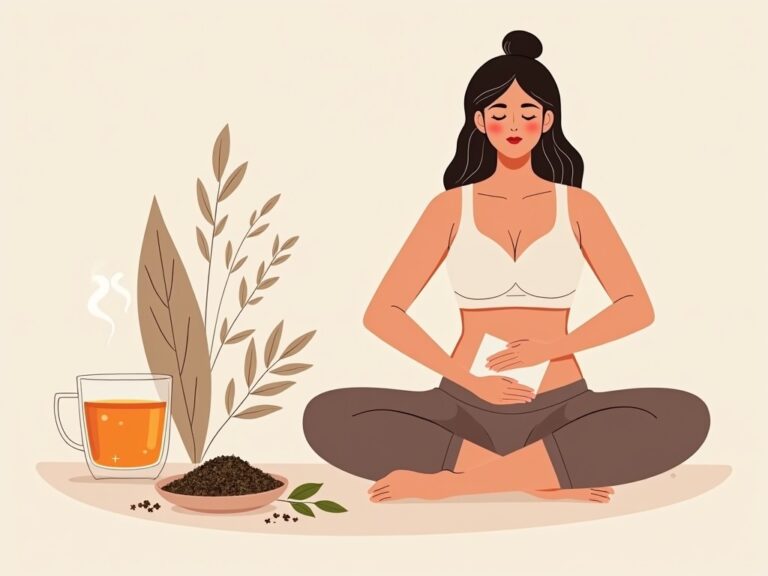
- Gentle Massage & Moisturizing – Regular massage improves circulation, while moisturizers help maintain skin elasticity.
- Sleep & Stress Management – Adequate rest and mindfulness practices support hormonal balance and overall well‑being.
Quick‑Result Tips (Sustainable, Not Extreme)
- Incorporate HIIT sessions 2–3 times a week to boost metabolism.
- Use interval walking or light jogging to keep the heart rate elevated without overexertion.
- Limit refined sugars and processed foods to reduce belly fat.
- Track your progress with photos and measurements to stay motivated.
Frequently Asked Questions (FAQ)
How long does postpartum body recovery take?
Recovery varies, but most women notice significant improvements within 6–12 weeks. Full muscle tone and skin elasticity may take up to a year.
Can I start exercising immediately after delivery?
It’s best to wait until your doctor clears you, usually around 6 weeks for vaginal births and 8 weeks for C‑sections. Start with gentle movements and gradually increase intensity.
What if my belly still looks saggy after a year?
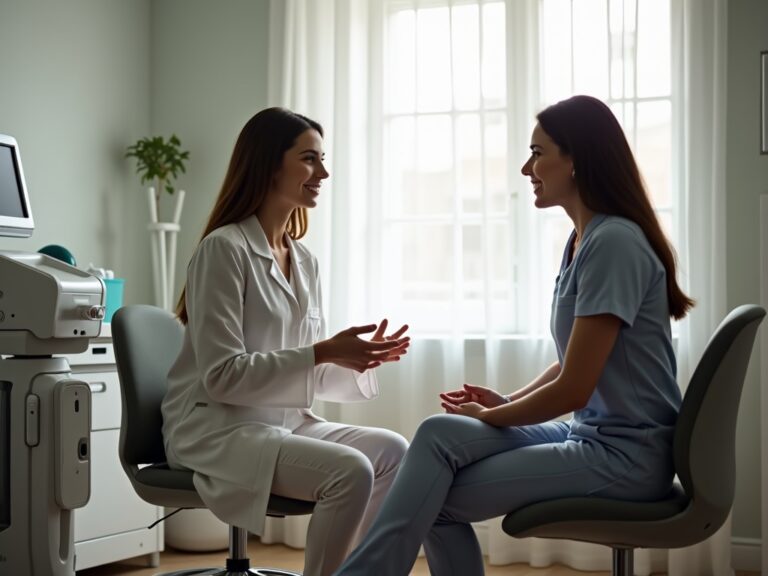
Consider consulting a physical therapist or a certified postpartum fitness specialist. They can tailor a program that addresses your specific needs.
Is a support belt necessary?
It’s optional but can provide extra comfort, especially during the first few months. Choose a breathable, adjustable design and avoid tight compression.
Conclusion: Embrace the Journey, Celebrate the Progress
Postpartum body changes are a natural part of motherhood. By combining medical guidance, targeted exercise, balanced nutrition, and self‑compassion, you can reclaim your core strength and confidence. Remember, the goal isn’t perfection but a healthier, happier you—both physically and emotionally. Keep track of your milestones, celebrate small victories, and lean on your support network. Your body’s resilience is a testament to the incredible journey you’ve just completed.