Pregnancy Nutrition Myths Debunked: What You Really Need to Know for a Healthy Pregnancy
Expecting a baby is a beautiful journey, but it can also be a maze of conflicting advice. From “eat twice as much” to “avoid all carbs,” the internet is full of nutrition myths that can leave new moms feeling confused and anxious. The truth is that a balanced, nutrient‑rich diet is the cornerstone of a healthy pregnancy, and understanding what really matters can help you make informed choices for both you and your baby.
Why Myth‑Busting Matters for Expectant Mothers
Misconceptions about pregnancy nutrition can lead to unnecessary weight gain, nutrient deficiencies, or even health complications such as gestational diabetes. By separating fact from fiction, you can focus on the foods that truly support fetal development and your own well‑being.
Common Pregnancy Nutrition Myths & The Real Facts
1. “You Must Eat Twice as Much During Pregnancy”
Myth: Many believe that calorie needs double during pregnancy, encouraging overeating.
Fact: While energy requirements do increase—about 300–500 extra calories per day in the second and third trimesters—this is far from a 100% increase. Overeating can lead to excessive weight gain, which raises the risk of gestational diabetes, hypertension, and delivery complications.
2. “Sweet Treats Make the Baby Happy”
Myth: Consuming chocolate or sugary desserts is thought to boost the baby’s mood.
Fact: Excess sugar has no direct effect on fetal happiness and can cause rapid blood sugar spikes, increasing the risk of gestational diabetes and excessive weight gain. Opt for natural sweeteners like fruit or a small piece of dark chocolate in moderation.
3. “Exercise Is Forbidden During Pregnancy”
Myth: Some believe any physical activity is dangerous for the baby.
Fact: Regular, moderate exercise—such as walking, swimming, or prenatal yoga—can improve circulation, reduce back pain, and help maintain a healthy weight. Always consult your healthcare provider before starting or continuing an exercise routine.
4. “Carbohydrates Should Be Cut Out”
Myth: Carbs are often blamed for weight gain and are therefore discouraged.
Fact: Complex carbohydrates like whole grains, legumes, and vegetables provide essential fiber, B‑vitamins, and sustained energy. They support fetal brain development and help prevent constipation.
5. “Only the Baby Needs Extra Calcium”
Myth: Some think calcium supplementation is only for the baby’s bones.
Fact: Adequate calcium is vital for both mother and child. It supports maternal bone density and fetal skeletal development. Aim for 1,000–1,300 mg per day through dairy, fortified plant milks, leafy greens, and calcium‑rich foods.
Building a Balanced Pregnancy Diet
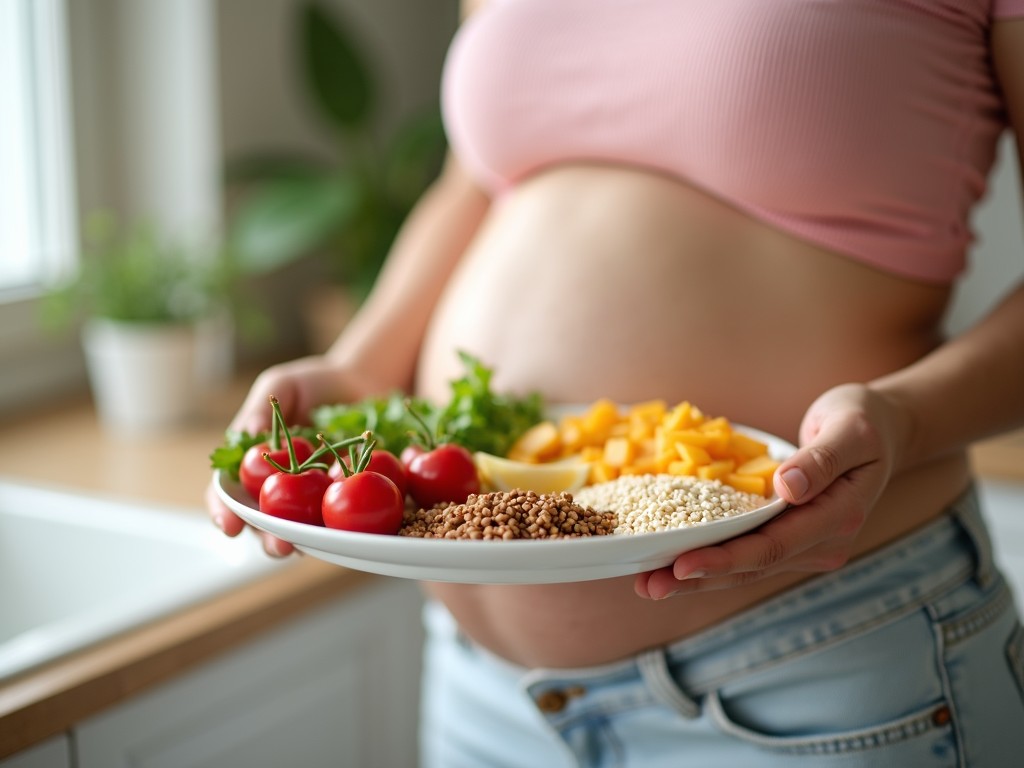
Here’s a practical guide to ensure you’re getting the nutrients you and your baby need:
- Protein: Lean meats, poultry, fish (low‑mercury), eggs, beans, and tofu.
- Healthy Fats: Avocado, nuts, seeds, olive oil, and fatty fish for omega‑3s.
- Complex Carbs: Whole grains, oats, quinoa, brown rice, and legumes.
- Fruits & Vegetables: Aim for 5–7 servings daily, focusing on colorful varieties for antioxidants.
- Hydration: 8–10 cups of water per day, plus herbal teas and diluted fruit juices.
- Supplements: Prenatal vitamins with folic acid, iron, DHA, and iodine as recommended by your provider.
Practical Tips to Avoid Common Pitfalls
- Plan meals in advance to avoid last‑minute unhealthy choices.
- Use portion control—small plates can help you eat the right amount.
- Keep healthy snacks on hand (nuts, yogurt, fruit) to curb cravings.
- Track your weight gain with a simple chart to stay within recommended ranges.
- Stay active with low‑impact activities that you enjoy.
Frequently Asked Questions (FAQ)
1. How many extra calories do I need during pregnancy?
In the second and third trimesters, aim for an additional 300–500 calories per day. In the first trimester, most women do not need extra calories beyond their normal intake.
2. Can I eat chocolate during pregnancy?
Yes, but in moderation. Choose dark chocolate with at least 70% cocoa and limit to a small square a few times a week.
3. Is it safe to exercise during pregnancy?
Generally, yes—unless your doctor advises otherwise. Aim for 150 minutes of moderate activity per week, such as brisk walking or swimming.
4. Should I avoid all sugary foods?
Not all sugars—just be mindful of added sugars. Natural sugars from fruit are fine, but limit candy, soda, and pastries.
5. How much calcium should I consume?
Pregnant women should target 1,000–1,300 mg of calcium daily, spread across multiple servings of dairy or fortified alternatives.
Conclusion
Pregnancy nutrition is less about extreme restrictions and more about balanced, nutrient‑dense choices. By debunking common myths, you can focus on foods that nourish both you and your baby, support healthy weight gain, and reduce the risk of complications. Remember, every pregnancy is unique—consult your healthcare provider for personalized guidance, and enjoy the journey with confidence and informed nutrition.