Revolutionizing Cancer Care: Liv Hospital & MSKCC’s IORT Symposium Highlights Intraoperative Radiotherapy Breakthroughs
Introduction
In the relentless battle against cancer, precision and timing are everything. The recent collaboration between Liv Hospital and the world-renowned Memorial Sloan Kettering Cancer Center (MSKCC) has brought this principle to the forefront with the inaugural IORT Symposium. This event showcased the power of Intraoperative Radiotherapy (IORT) – a single, targeted dose of radiation delivered during surgery – and its transformative impact on patient outcomes, especially in recurrent cancers.
What Is Intraoperative Radiotherapy (IORT)?
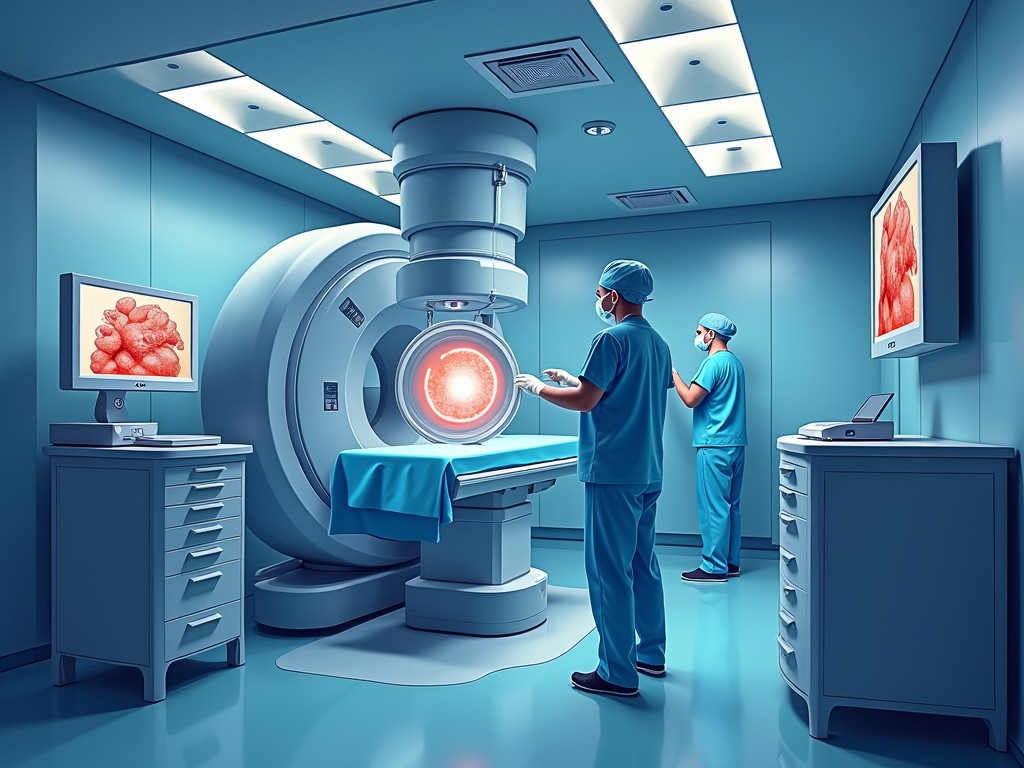
IORT is a cutting‑edge technique that combines surgical tumor removal with immediate radiation therapy. While traditional radiotherapy requires weeks of outpatient visits, IORT administers a concentrated dose directly to the tumor bed in one session, right after the surgeon has excised the cancerous tissue.
Key Features of IORT
- Targeted Delivery: Radiation is confined to the surgical site, sparing healthy organs.
- Single‑Dose Treatment: Eliminates the need for prolonged external beam therapy.
- Microscopic Tumor Eradication: Effectively destroys residual cancer cells at the margin.
- Improved Survival Rates: Studies show up to a 2‑fold increase in disease‑free survival for recurrent colorectal cancers.
How IORT Works – Step by Step
The procedure follows a precise sequence:
- Tumor Resection: The surgeon removes the primary tumor.
- Preparation of the Target Area: The surgical cavity is isolated, and critical organs are displaced.
- Dosimetry: A radiation oncologist calculates the exact dose based on tumor type and patient factors.
- Radiation Delivery: A mobile linear accelerator or electron beam device delivers the dose directly to the tumor bed.
- Closure: The wound is closed, and the patient is taken to recovery.
Benefits Over Conventional Radiotherapy
- Reduced Treatment Time: One session versus 6–7 weeks of external beam therapy.
- Lower Side Effects: No prolonged exposure to healthy tissues.
- Enhanced Quality of Life: Patients avoid the logistical burden of daily hospital visits.
- Cost‑Effectiveness: Fewer outpatient visits translate to lower overall treatment costs.
Clinical Applications Highlighted at the Symposium
The symposium covered a range of cancer types where IORT has shown remarkable results:
- Colorectal Cancer: Especially in recurrent rectal tumors, IORT boosts local control.
- Pancreatic Cancer: Improves margin status and reduces local recurrence.
- Breast Cancer: Used in selected high‑risk patients to eliminate residual disease.
- Pediatric Tumors: Offers a radiation‑sparing option for children.
Highlights from the Liv Hospital & MSKCC IORT Symposium
Hosted by Prof. Dr. Oktar Asoğlu, the two‑day event featured:
- Keynote speeches by MSKCC experts Prof. Dr. Kaled M. Alektiar and Prof. Dr. Philip Patty.
- Live webcast with simultaneous English translation, making the symposium accessible worldwide.
- A public forum on June 5th, where patients and families could ask questions directly to the speakers.
- Scientific sessions on June 6th, presenting the latest research data and case studies.
Frequently Asked Questions (FAQ)
1. Is IORT suitable for all cancer patients?
No. IORT is most effective for patients with localized or recurrent tumors where surgical margins are critical. Eligibility is determined by a multidisciplinary team.
2. What are the risks associated with IORT?
Risks are minimal compared to conventional radiotherapy. Potential side effects include localized skin irritation or temporary swelling, but these are usually mild and resolve quickly.
3. Can IORT replace external beam radiotherapy?
In many cases, IORT can eliminate the need for additional external beam therapy, especially when the dose delivered intraoperatively is sufficient to control microscopic disease.
4. How is the radiation dose decided?
A radiation oncologist calculates the dose based on tumor type, size, and patient-specific factors, ensuring maximum efficacy while protecting healthy tissues.
Conclusion
The Liv Hospital and MSKCC partnership has ushered in a new era of precision oncology. By integrating IORT into surgical protocols, clinicians can deliver powerful, targeted radiation at the exact moment it is most needed, improving survival rates and patient quality of life. As more institutions adopt this technology, the future of cancer treatment looks brighter—and more efficient—than ever.