Snoring & Sleep Apnea in Qatar: Causes, Risks, and Treatment Options
Snoring is more than a nightly nuisance—it can be a warning sign of serious health problems. In Qatar, where up to 40–50% of the population experiences snoring, understanding its causes, risks, and available treatments is essential for both patients and their partners. This guide explains why snoring occurs, how it relates to sleep apnea, and what steps you can take—from lifestyle changes to advanced surgical options—to improve sleep quality and overall health.
What Is Snoring and Why Does It Happen?
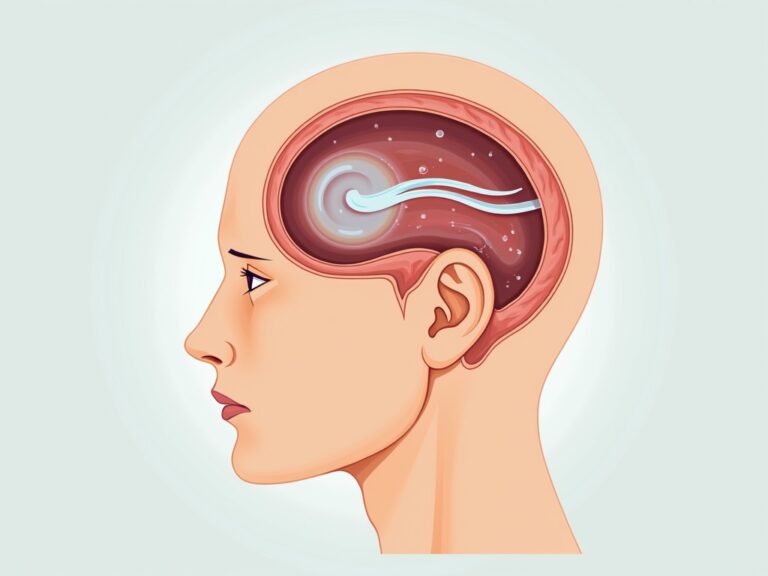
Snoring occurs when the airway is partially blocked during sleep, causing the surrounding soft tissues to vibrate. The resulting sound is often louder and more frequent in older adults, people who are overweight, or those with certain anatomical features.
Common Causes of Snoring
- Anatomical Factors: Deviated septum, enlarged tonsils or adenoids, elongated soft palate, or excess throat tissue.
- Obesity: Fat deposits around the neck narrow the airway.
- Age: Muscle tone in the throat decreases, allowing the airway to collapse more easily.
- Lifestyle: Alcohol, smoking, sedatives, and sleeping on your back can worsen snoring.
Snoring vs. Sleep Apnea: Understanding the Difference
While snoring can be harmless, it often signals Obstructive Sleep Apnea (OSA), a condition characterized by repeated pauses in breathing during sleep. OSA is a serious health risk that can lead to hypertension, heart disease, stroke, and daytime fatigue.
Types of Sleep Apnea
- Obstructive Sleep Apnea (OSA): Physical blockage of the airway.
- Central Sleep Apnea (CSA): The brain fails to send proper signals to breathing muscles.
- Mixed Sleep Apnea: A combination of OSA and CSA.
Why Sleep Apnea Is Dangerous
Repeated oxygen deprivation and fragmented sleep can affect nearly every body system. Key risks include:
- High blood pressure and cardiovascular disease
- Irregular heart rhythms and heart attacks
- Stroke and cognitive decline
- Daytime drowsiness, impaired concentration, and mood changes
- Metabolic disorders such as type 2 diabetes
Diagnosing Sleep Apnea in Qatar
Accurate diagnosis is the first step toward effective treatment. In Qatar, ENT specialists use a combination of:
- Comprehensive symptom review (snoring, daytime sleepiness, witnessed apneas)
- Polysomnography (sleep study) to monitor airflow, oxygen levels, and brain activity
- Upper airway examination via endoscopy or imaging to identify structural obstructions
Treatment Options for Snoring and Sleep Apnea
Treatment ranges from simple lifestyle changes to advanced surgical procedures, depending on the severity and underlying cause.
1. Lifestyle Modifications
- Maintain a healthy weight through balanced diet and regular exercise
- Avoid alcohol and sedatives before bedtime
- Sleep on your side instead of your back
- Treat allergies and nasal congestion with antihistamines or nasal steroids
2. Medical Therapies
- CPAP (Continuous Positive Airway Pressure): A mask delivers steady airflow to keep the airway open.
- Oral Appliances: Custom devices reposition the jaw and tongue during sleep.
3. Surgical Interventions
When anatomical obstructions are the root cause, surgery can be highly effective:
- Adenoidectomy & Tonsillectomy: Removal of enlarged adenoids and tonsils, especially in children.
- Septoplasty: Correcting a deviated septum.
- UPPP (Uvulopalatopharyngoplasty): Reshaping the soft palate and uvula.
- Soft palate or tongue base reduction, including radiofrequency ablation.
What to Expect from ENT Clinics in Qatar
Modern ENT centers in Qatar offer:
- Comprehensive airway assessments
- State‑of‑the‑art sleep studies
- Personalized treatment plans—whether CPAP, oral devices, or surgery
- Post‑operative follow‑up to ensure long‑term success
When to Seek Professional Help
Consider consulting an ENT specialist if you experience:
- Persistent, loud snoring that disturbs your partner’s sleep
- Observed pauses in breathing during sleep
- Morning headaches or daytime fatigue
- Difficulty concentrating or mood swings
- High blood pressure linked to snoring
Frequently Asked Questions
Is snoring always a sign of sleep apnea?
Not always. While snoring can indicate sleep apnea, it can also result from simple lifestyle factors or anatomical variations. A sleep study is needed for a definitive diagnosis.
Can weight loss cure snoring?
Weight loss can significantly reduce snoring by decreasing fat deposits around the airway, but it may not eliminate snoring entirely, especially if structural issues are present.
What are the risks of untreated sleep apnea?
Untreated sleep apnea increases the risk of cardiovascular disease, stroke, diabetes, and impaired quality of life. Early intervention can mitigate these risks.
Conclusion
Snoring in Qatar affects a large portion of the population, but it is often more than a mere inconvenience. By recognizing the signs, seeking proper diagnosis, and exploring a range of treatment options—from lifestyle changes to CPAP and surgery—you can protect your health and improve sleep quality. If you or your child experience chronic snoring or symptoms of sleep apnea, schedule an appointment with a qualified ENT and sleep specialist in Qatar today.