
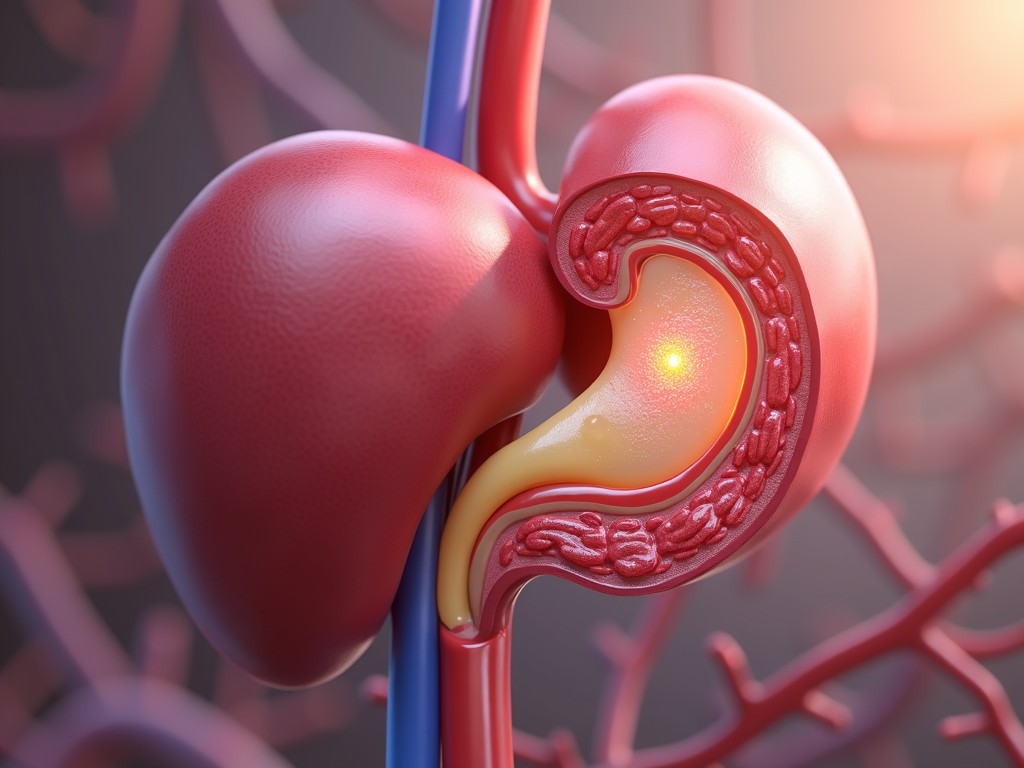
Splenic Cysts: Complications, Prevention, and Treatment Strategies
Splenic cysts are fluid‑filled sacs that can develop inside or on the surface of the spleen. While many cysts remain silent and harmless, some can grow, rupture, or become infected, leading to serious health risks. Understanding the types, symptoms, diagnostic methods, potential complications, and preventive measures is essential for anyone concerned about splenic health.
What Is a Splenic Cyst?
A splenic cyst is a benign, fluid‑filled cavity that forms within the spleen’s parenchyma or on its capsule. Most cysts are asymptomatic and are discovered incidentally during imaging for unrelated reasons. However, when they enlarge or become complicated, they can cause pain, pressure on adjacent organs, or life‑threatening events such as rupture.
Types of Splenic Cysts
Primary (Congenital) Cysts
These cysts arise from developmental anomalies during embryogenesis. They are usually non‑parasitic and can be either true cysts (with an epithelial lining) or pseudocysts (lacking a lining). Primary cysts are often discovered in childhood or early adulthood.
Secondary (Acquired) Cysts
Secondary cysts result from trauma, infection, infarction, or parasitic infestations such as echinococcosis. They are more common in adults and may present with acute symptoms if they rupture or become infected.
Signs, Symptoms, and Diagnosis
Most splenic cysts are silent. When symptoms appear, they usually relate to size and location:
- Left upper quadrant abdominal pain or fullness
- Early satiety or bloating due to pressure on the stomach
- Referred shoulder pain (Kehr’s sign) if rupture occurs
- Fever or chills if infection develops
Diagnosis relies on imaging:
- Ultrasound – first‑line, non‑invasive, and cost‑effective
- Computed Tomography (CT) – provides detailed size, wall thickness, and calcifications
- Magnetic Resonance Imaging (MRI) – useful for differentiating cyst types and assessing vascular involvement
Laboratory tests, including complete blood count and inflammatory markers, help rule out infection or malignancy.
Complications of Splenic Cysts
Although many cysts remain benign, certain complications can be severe:
- Rupture – sudden intraperitoneal bleeding, acute abdominal pain, and hemodynamic instability.
- Hemorrhage – internal bleeding within the cyst or surrounding tissues.
- Infection – abscess formation, especially in secondary cysts.
- Mass effect – compression of the stomach, pancreas, or colon leading to pain, obstruction, or functional impairment.
- Malignant transformation – rare but possible in cysts with epithelial lining.
Early recognition of these complications is critical for timely intervention and to prevent life‑threatening outcomes.
Treatment Options
Management depends on cyst size, symptoms, and risk of complications:
- Observation – small, asymptomatic cysts (<2–3 cm) can be monitored with periodic imaging.
- Image‑guided aspiration – minimally invasive drainage for symptomatic cysts; however, recurrence is common.
- Laparoscopic cystectomy – removal of the cyst wall while preserving the spleen; preferred for larger cysts or those with complications.
- Splenectomy – removal of the entire spleen is reserved for cysts that occupy most of the organ, are recurrent, or when other treatments fail.
Post‑operative care includes vaccinations against encapsulated organisms (e.g., pneumococcus, meningococcus, Haemophilus influenzae) if splenectomy is performed.
Prevention Strategies
Preventing splenic cysts, especially secondary types, involves addressing underlying risk factors:
- Infection control – maintain good hygiene, treat infections promptly, and avoid exposure to parasitic diseases.
- Trauma avoidance – use protective gear during sports and heavy lifting; follow safety protocols in workplaces.
- Healthy lifestyle – balanced diet, regular exercise, and weight management support immune function and organ health.
- Regular check‑ups – routine abdominal imaging for high‑risk individuals (e.g., those with a history of splenic injury or parasitic exposure).
- Vaccinations – ensure up‑to‑date immunizations to reduce the risk of infections that could lead to secondary cysts.
Frequently Asked Questions
1. Can a splenic cyst become cancerous?
While most cysts are benign, a small subset with epithelial lining can undergo malignant transformation. Regular monitoring and timely intervention reduce this risk.
2. Is splenectomy always required for large cysts?
No. Laparoscopic cystectomy can preserve splenic tissue. Splenectomy is considered when the cyst is extensive, recurrent, or if other treatments fail.
3. How often should I get imaging if I have a small cyst?
Typically, imaging every 6–12 months is sufficient for cysts <3 cm that are asymptomatic. Your physician will tailor the schedule based on your specific situation.
Conclusion
Splenic cysts, though often silent, can pose significant health risks if they grow or become complicated. Early detection through routine imaging, awareness of symptoms, and understanding treatment options empower patients and clinicians to manage these cysts effectively. By adopting preventive measures—such as infection control, trauma avoidance, and a healthy lifestyle—individuals can reduce the likelihood of cyst formation and maintain optimal splenic health.