
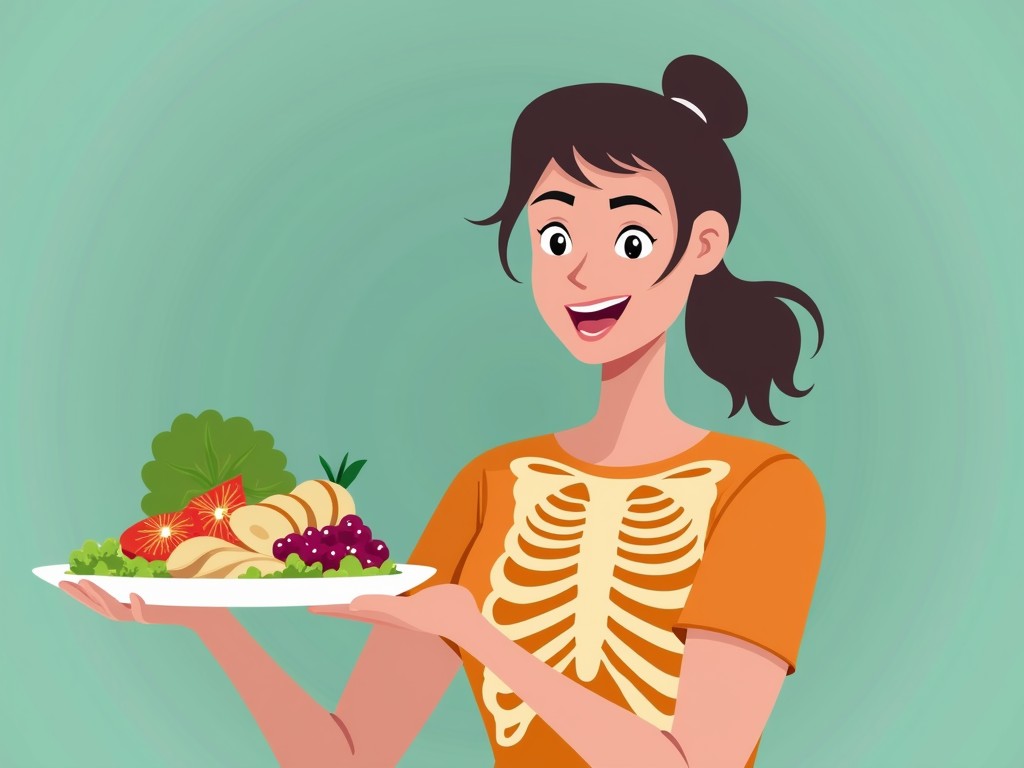
Strong Bones, Strong Life: Expert Tips for Optimal Bone Health
Imagine walking through life with the confidence that comes from knowing your bones are as resilient as they can be. Whether you’re an athlete, a busy professional, or simply looking to maintain your health as you age, bone health is a cornerstone of overall well‑being. In this guide, we’ll explore the science behind bone strength, the essential nutrients that keep your skeleton robust, and practical lifestyle habits that can help you prevent osteoporosis and other bone‑related conditions.
Understanding Bone Health
Bones are not just the framework of our bodies; they protect vital organs, produce blood cells, and store minerals. Throughout life, bone tissue undergoes a continuous cycle of resorption (breakdown) and formation. When this balance tips toward resorption, bone density decreases, increasing the risk of fractures and osteoporosis.
Key Risk Factors for Bone Loss
- Inadequate calcium and vitamin D intake
- Hormonal changes, especially in post‑menopausal women
- Smoking and excessive alcohol consumption
- Sedentary lifestyle and low-impact activities
- Genetic predisposition and certain medical conditions
Essential Nutrients for Strong Bones
Calcium: The Building Block
Calcium is the primary mineral that forms the hard matrix of bone. Adults typically need 1,000–1,200 mg per day, which can be met through dairy products, leafy greens, nuts, and fortified foods. While supplements can help bridge gaps, they should be taken under medical supervision to avoid kidney stones and other complications.
Vitamin D: The Calcium Facilitator
Vitamin D enhances intestinal absorption of calcium. Sunlight exposure is the most natural source, but dietary options include fatty fish, egg yolks, and fortified milks. In regions with limited sunlight or for individuals with darker skin tones, supplementation may be necessary, especially for older adults.
Other Vital Micronutrients
- Magnesium – Supports calcium metabolism; found in whole grains, nuts, and green vegetables.
- Vitamin K2 – Directs calcium to bone rather than soft tissues; present in fermented foods and certain meats.
- Zinc – Essential for bone remodeling; abundant in shellfish, legumes, and seeds.
- Phosphorus – Works with calcium to build bone; available in dairy, meats, and legumes.
Exercise: The Natural Bone Builder
Physical activity is the most effective way to stimulate bone formation and maintain density. Weight‑bearing and resistance exercises create mechanical stress that signals osteoblasts (bone‑building cells) to strengthen the skeleton.
High‑Impact vs. Low‑Impact Workouts
- High‑Impact – Running, jumping, and resistance training are excellent for older adults with good joint health.
- Low‑Impact – Walking, yoga, Pilates, and swimming provide bone benefits while being gentler on joints.
Sample Weekly Routine
- Monday – 30 min of brisk walking + 15 min of body‑weight resistance (push‑ups, squats)
- Wednesday – 45 min of yoga focusing on balance and flexibility
- Friday – 30 min of stair climbing or light jogging + core strengthening
- Sunday – 20 min of gentle stretching or tai chi
Healthy Lifestyle Habits Beyond Diet and Exercise
- Quit Smoking – Nicotine impairs bone formation and increases fracture risk.
- Limit Alcohol – Excessive intake disrupts calcium absorption and hormone balance.
- Prioritize Sleep – Aim for 7–8 hours of quality sleep to support hormonal regulation of bone turnover.
- Manage Stress – Chronic stress elevates cortisol, which can accelerate bone loss.
Monitoring Bone Health: When and How to Get Tested
Dual‑energy X‑ray absorptiometry (DXA) is the gold standard for measuring bone mineral density (BMD). It is recommended for:
- Post‑menopausal women over 50
- Men over 70 or those with risk factors
- Individuals with a history of fractures or chronic steroid use
Early detection allows for timely interventions, such as lifestyle changes, supplements, or pharmacotherapy.
Frequently Asked Questions
What foods are richest in calcium?
Milk, yogurt, cheese, sardines, tofu, almonds, and fortified plant milks are top sources.
How much vitamin D should I take daily?
Adults generally need 600–800 IU, but those with limited sun exposure may require up to 1,000 IU. Consult a healthcare provider for personalized advice.
Can I rely solely on supplements for bone health?
While supplements can help, they should complement a balanced diet and regular exercise, not replace them.
Conclusion: Build a Strong Foundation for Life
Strong bones are the silent allies that enable us to move, work, and enjoy life without fear of fractures. By prioritizing calcium and vitamin D intake, engaging in regular weight‑bearing exercise, and adopting healthy habits such as quitting smoking and limiting alcohol, you can significantly reduce the risk of osteoporosis. Remember, bone health is a lifelong commitment—start today, and your future self will thank you.