
The Ultimate Guide to Tooth Tartar Removal: Prevention, Home Care, and Professional Treatments
Did you know that the stubborn yellowish buildup on your teeth—commonly known as tartar—can silently damage your oral and overall health? Tartar forms when plaque, the sticky film of bacteria, mineralizes on your teeth. If left unchecked, it can lead to cavities, gum disease, and even systemic conditions like heart disease and diabetes. This comprehensive guide explains how tartar forms, why it matters, and the best ways to keep it at bay—both at home and in the dentist’s office.
What Is Tartar and How Does It Form?
Tartar, or dental calculus, is the hardened form of plaque. Plaque itself is a soft, sticky film that develops when bacteria in your mouth combine with food particles and saliva. Over time, minerals—mainly calcium and phosphate—from saliva crystallize within the plaque, turning it into a hard, gritty layer that clings to your teeth and gums.
The Two Stages of Tartar Development
- Plaque Formation: Bacteria, food debris, and saliva create a thin film on the tooth surface. Freshly formed plaque is soft and can be removed with regular brushing.
- Tartar Formation: If plaque isn’t removed, mineralization occurs, hardening the film into tartar. Once tartar forms, it can only be removed by a dental professional.
Why Tartar Is a Serious Health Concern
Tartar’s impact extends far beyond a cosmetic issue. Here’s how it can affect your health:
- Oral Health: Tartar provides a rough surface that encourages more plaque buildup, leading to tooth decay and gum disease.
- Systemic Health: Chronic gum inflammation associated with tartar has been linked to cardiovascular disease, diabetes complications, and adverse pregnancy outcomes.
- Daily Comfort: Tartar can cause bad breath, gum bleeding, and sensitivity, making everyday activities less pleasant.
Detecting Tartar: Signs You Shouldn’t Ignore
While a dentist can confirm tartar buildup, you can look for these early warning signs:
- Visible yellow or brown stains on teeth, especially near the gum line.
- Persistent bad breath or a metallic taste.
- Red, swollen, or bleeding gums.
- Increased tooth sensitivity or pain during chewing.
Home Care: Keeping Tartar at Bay
Although professional cleaning is essential, daily habits can significantly reduce tartar formation.
1. Proper Brushing Technique
Brush twice daily for at least two minutes using a fluoride toothpaste. Use gentle, circular motions and pay special attention to the gum line.
2. Daily Flossing
Flossing removes plaque from between teeth and below the gum line—areas a toothbrush can’t reach.
3. Mouthwash and Tartar-Control Toothpaste
Antimicrobial mouthwashes and tartar-control toothpastes contain ingredients that help prevent mineralization.
4. Natural Aid: Walnut Shell Method (Use with Caution)
Some people use fresh walnut shells to gently rub teeth, claiming it helps soften tartar. However, this method should not replace regular brushing and flossing and should be used only after consulting a dentist.
Professional Tartar Removal: What to Expect
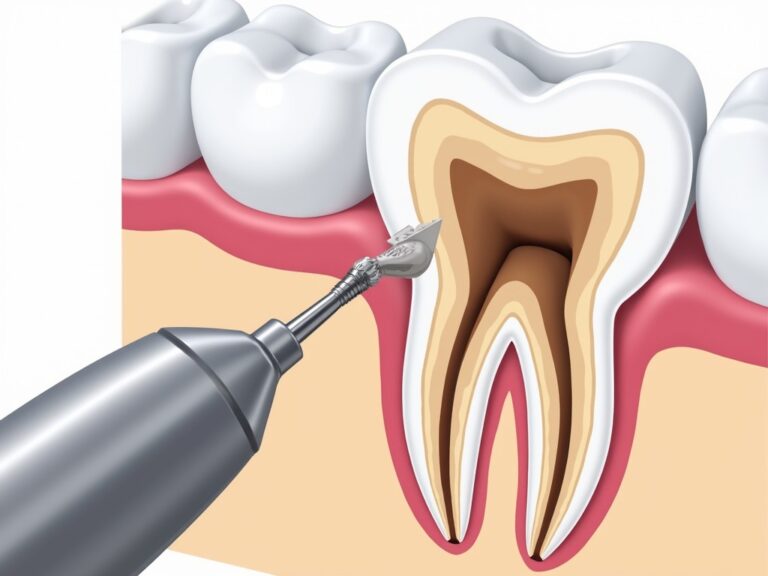
Dental professionals use specialized tools to safely remove tartar. Here are the most common techniques:
1. Dental Scaling and Root Planing
Scaling removes tartar from the tooth surface and below the gum line. Root planing smooths the tooth root to prevent bacteria from reattaching.
2. Laser Tartar Removal
Laser therapy offers a minimally invasive option that can reduce discomfort and shorten recovery time, though it may be more expensive.
3. Ultrasonic Scaling
Ultrasonic scalers vibrate at high frequencies, breaking up tartar while simultaneously flushing it away with water.
Preventing Tartar: Lifestyle and Dental Visits
- Regular Dental Checkups: Visit your dentist every six months for professional cleanings and early detection.
- Balanced Diet: Limit sugary and starchy foods that feed plaque bacteria. Incorporate crunchy fruits and vegetables that help clean teeth naturally.
- Hydration: Water helps wash away food particles and neutralize acids.
- Quit Smoking: Tobacco use increases plaque buildup and gum disease risk.
Special Populations: Children and Seniors
Children
Kids are less prone to tartar but still need supervision. Parents should help with brushing, flossing, and scheduling early dental visits.
Older Adults
Age-related changes in saliva and gum tissue can accelerate tartar buildup. Seniors should maintain rigorous oral hygiene and attend regular dental appointments.
Conclusion: Take Charge of Your Oral Health
Tartar may seem like a minor nuisance, but its consequences can ripple through your entire body. By combining diligent home care with routine professional cleanings, you can keep tartar at bay, protect your gums, and safeguard your overall health. Don’t wait for the first sign of gum bleeding or bad breath—schedule your next dental cleaning today and give your smile the care it deserves.
Frequently Asked Questions
Q: Can I remove tartar at home?
A: Early plaque can be removed with proper brushing and flossing, but once it mineralizes into tartar, only a dentist can safely remove it.
Q: Is laser tartar removal painful?
A: Laser treatment is generally less invasive and can be less painful than traditional scaling, but individual experiences vary.
Q: How often should I get a professional cleaning?
A: Most dentists recommend cleanings every six months, but those with higher risk of tartar buildup may need more frequent visits.
Q: Does tartar affect my overall health?
A: Yes—tartar-associated gum inflammation has been linked to heart disease, diabetes complications, and other systemic conditions.
Q: Are there natural ways to prevent tartar?
A: Maintaining a balanced diet, staying hydrated, and using fluoride toothpaste help reduce plaque formation, but professional care remains essential.