
Understanding Groin Pain: Causes, Diagnosis, and Treatment for Men and Women
Groin pain is a common complaint that can range from a mild ache to a debilitating, life‑threatening emergency. Whether you’re a young athlete, a middle‑aged man with a prostate issue, or a woman experiencing ovarian cysts, the groin is a crossroads of many anatomical structures. This guide dives deep into the most frequent culprits, how to differentiate them, and when to seek urgent care.
Why Groin Pain Matters
Unlike back or abdominal pain, groin discomfort often signals problems that involve the reproductive or urinary systems. Because the groin sits at the intersection of the abdomen, pelvis, and lower limbs, a single symptom can stem from a wide array of conditions—some benign, others requiring immediate intervention. Understanding the underlying causes can help you decide whether to rest, treat at home, or call a doctor.
Common Causes of Groin Pain in Men
1. Testicular Disorders
- Testicular Torsion: Sudden, severe pain that can lead to loss of the testicle if not treated within 6–8 hours.
- Epididymitis: Inflammation of the epididymis, often due to infection, causing swelling and tenderness.
- Varicocele: Dilated veins in the scrotum, usually on the left side, presenting as a heavy, aching sensation.
2. Prostate-Related Issues
- Acute Prostatitis: Fever, chills, and painful urination accompany groin discomfort.
- Benign Prostatic Hyperplasia (BPH): Enlarged prostate can cause pressure and pain in the groin area.
3. Kidney and Urinary Tract Problems
- Kidney Stones: Stones traveling through the ureter produce colicky pain radiating to the groin.
- Urinary Tract Infection (UTI): Burning during urination and lower abdominal pain may be present.
4. Hernias and Musculoskeletal Causes
- Inguinal Hernia: A bulge in the groin that can become incarcerated, causing sharp pain.
- Muscle Strain: Overuse or improper lifting during sports can lead to groin muscle injury.
Common Causes of Groin Pain in Women
1. Gynecological Conditions
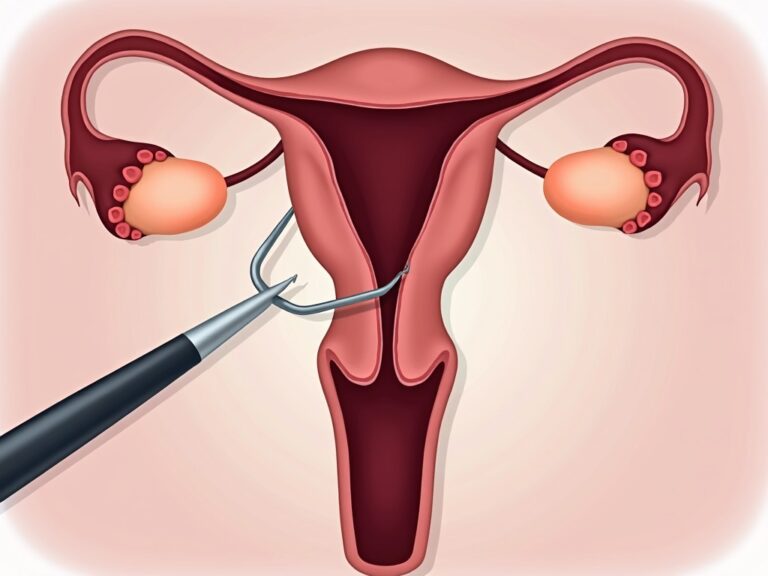
- Ovarian Cysts: Fluid-filled sacs that can rupture, causing sudden, severe pain.
- Endometriosis: Tissue similar to the uterine lining grows outside the uterus, leading to chronic groin discomfort.
- Ectopic Pregnancy: A fertilized egg implants outside the uterus, often in the fallopian tube, presenting with sharp, unilateral groin pain.
2. Urinary Tract Infections
UTIs in women can cause burning during urination, frequent urges, and lower abdominal or groin pain.
3. Menstrual-Related Pain
While menstrual cramps typically affect the lower abdomen, they can radiate to the groin. Distinguishing them from gynecological pain involves timing and associated symptoms.
When Is Groin Pain an Emergency?
Certain red‑flag symptoms warrant immediate medical attention:
- Sudden, severe pain that worsens over hours.
- Accompanying fever, chills, or nausea.
- Visible swelling or discoloration of the groin or scrotum.
- Signs of internal bleeding (e.g., dizziness, fainting, or blood in urine).
- Pregnancy suspicion with unilateral groin pain.
Diagnostic Pathways
1. Physical Examination
Clinicians assess tenderness, swelling, and the presence of a hernia or mass. In men, testicular palpation is crucial.
2. Imaging Studies
- Ultrasound: First‑line for scrotal and pelvic evaluation.
- CT Scan: Useful for abdominal causes like kidney stones or appendicitis.
- MRI: Reserved for complex pelvic pathology.
3. Laboratory Tests
- Urinalysis and urine culture for UTIs.
- Blood tests for infection markers (CRP, ESR).
- Pregnancy test in women with potential ectopic pregnancy.
Treatment Options
1. Conservative Management
- Rest and activity modification.
- NSAIDs for pain and inflammation.
- Physical therapy for musculoskeletal groin strain.
2. Medical Interventions
- Antibiotics for infections.
- Hormonal therapy for endometriosis.
- Pain modulators for chronic neuropathic pain.
3. Surgical Options
- Testicular detorsion for torsion.
- Hernia repair (open or laparoscopic).
- Ovarian cystectomy or ectopic pregnancy removal.
Frequently Asked Questions
- What is the most common cause of groin pain in men?
- Testicular torsion and epididymitis are among the top causes, especially in younger males.
- Can a groin hernia be mistaken for a kidney stone?
- Yes, both can cause sharp, unilateral pain; imaging helps differentiate.
- When should I seek emergency care for groin pain?
- Any sudden, severe pain, especially with fever or swelling, warrants immediate evaluation.
Conclusion
Groin pain is a symptom with a broad differential diagnosis. While many causes are benign and treatable with rest or medication, others—such as testicular torsion, ectopic pregnancy, or severe kidney stone obstruction—require prompt medical attention. A systematic approach that includes a thorough history, physical exam, and appropriate imaging ensures accurate diagnosis and effective treatment. If you experience sudden, intense groin pain or accompanying red‑flag symptoms, do not delay seeking professional care.