Understanding Spinal Calcification: Causes, Symptoms, Diagnosis, and Treatment Options
Spinal calcification, also known as vertebral calcification, is a condition where calcium deposits accumulate in the spinal column. While it may sound alarming, many people experience mild or no symptoms, and the condition can often be managed effectively with proper care. This article delves into the anatomy of the spine, the mechanisms behind calcification, common symptoms, diagnostic methods, and both medical and lifestyle treatments that can help patients maintain spinal health.
What Is Spinal Calcification?
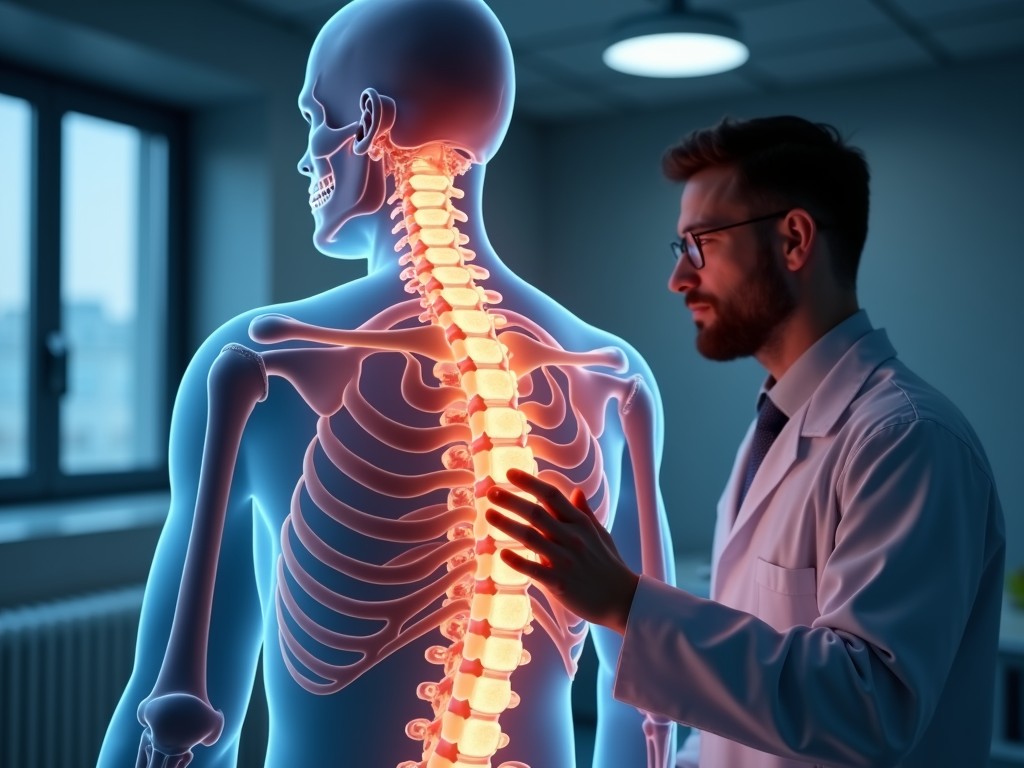
Spinal calcification refers to the abnormal deposition of calcium salts in the vertebral bodies, intervertebral discs, or surrounding ligaments. These deposits can form in response to aging, injury, inflammation, or metabolic disorders. Over time, calcification may lead to stiffness, reduced flexibility, and in severe cases, nerve compression.
Causes and Risk Factors
Several factors contribute to the development of spinal calcification:
- Aging: Natural wear and tear can cause calcium to accumulate in spinal tissues.
- Degenerative Disc Disease: As discs lose hydration, they become more susceptible to calcification.
- Inflammatory Conditions: Diseases such as ankylosing spondylitis or rheumatoid arthritis can trigger calcium deposition.
- Trauma: Repeated micro‑injuries or acute fractures may lead to calcified scar tissue.
- Metabolic Disorders: Hyperparathyroidism, hypercalcemia, or vitamin D imbalances can increase calcium levels in the bloodstream.
- Genetics: A family history of spinal disorders can predispose individuals to calcification.
Recognizing the Symptoms
Symptoms vary depending on the location and extent of calcification. Common signs include:
- Back or neck pain that worsens with movement.
- Stiffness and reduced range of motion.
- Radiating pain or tingling in the arms or legs if nerves are compressed.
- Visible hardening or swelling along the spine.
- Difficulty with daily activities such as bending, lifting, or walking.
Diagnostic Approaches
Accurate diagnosis is essential for effective treatment. Healthcare providers typically use a combination of:
- Physical Examination: Assessing posture, flexibility, and neurological function.
- Imaging Studies:
- X‑ray: Reveals calcified deposits and bone alignment.
- CT Scan: Provides detailed cross‑sectional images of calcium buildup.
- MRI: Highlights soft tissue involvement and nerve compression.
- Blood Tests: Check calcium, vitamin D, and parathyroid hormone levels.
- Bone Density Scan: Evaluates overall bone health and risk of osteoporosis.
Treatment Options
Medical Management
Depending on severity, doctors may recommend:
- Non‑steroidal anti‑inflammatory drugs (NSAIDs) to reduce pain and inflammation.
- Physical therapy focusing on stretching, strengthening, and posture correction.
- Prescription medications such as muscle relaxants or nerve pain blockers.
- Injections (e.g., epidural steroid injections) to alleviate nerve irritation.
- For severe cases, surgical options like decompression or spinal fusion may be considered.
Lifestyle and Home Remedies
Patients can complement medical care with:
- Regular low‑impact exercise (walking, swimming, yoga) to maintain flexibility.
- Maintaining a healthy weight to reduce spinal load.
- Ensuring adequate calcium and vitamin D intake through diet or supplements.
- Using ergonomic furniture and proper lifting techniques.
- Applying heat or cold packs to relieve acute pain.
Frequently Asked Questions
Is spinal calcification always painful?
Not necessarily. Many individuals with mild calcification experience no symptoms. Pain typically arises when calcium deposits compress nerves or joints.
Can spinal calcification be reversed?
Complete reversal is rare, but progression can be slowed or halted with early intervention, lifestyle changes, and appropriate medical treatment.
When should I seek medical attention?
Seek care if you notice persistent back or neck pain, numbness, weakness, or if your pain interferes with daily activities. Early diagnosis can prevent complications.
Conclusion
Spinal calcification is a common yet often misunderstood condition. By recognizing early symptoms, pursuing timely diagnosis, and adopting a comprehensive treatment plan that includes medical care and lifestyle adjustments, patients can manage pain, preserve mobility, and improve overall quality of life. If you suspect you may be experiencing spinal calcification, consult a qualified healthcare professional for personalized evaluation and guidance.