What to Eat When Taking Antibiotics: A Complete Guide to Protect Your Gut and Reduce Side Effects
Introduction
When you’re prescribed antibiotics, the first thing that comes to mind is the medication itself. But the real battle is happening inside your gut, where a delicate ecosystem of bacteria is being disrupted. The right diet can help you keep that ecosystem balanced, reduce uncomfortable side effects, and speed up recovery. In this guide, we’ll explore the science behind antibiotic‑related gut changes, the foods that support your microbiome, and the foods you should avoid. Whether you’re a patient, a caregiver, or just curious about how diet influences antibiotic effectiveness, this article will give you practical, evidence‑based advice.
Why Antibiotics Affect Your Gut
Antibiotics are designed to kill or inhibit bacteria that cause infections. Unfortunately, they don’t discriminate between harmful and beneficial bacteria. The trillions of microbes that live in your intestines—collectively known as the gut microbiome—play a crucial role in digestion, immune function, and even mood regulation. When antibiotics wipe out a large portion of these microbes, you may experience:
- Stomach upset, nausea, and vomiting
- Diarrhea or loose stools
- Abdominal bloating and gas
- Loss of appetite and weight loss
- Weakened immune response to future infections
Fortunately, you can mitigate these effects by choosing the right foods and supplements during and after your antibiotic course.
Foods to Eat While on Antibiotics
1. Probiotic‑Rich Foods
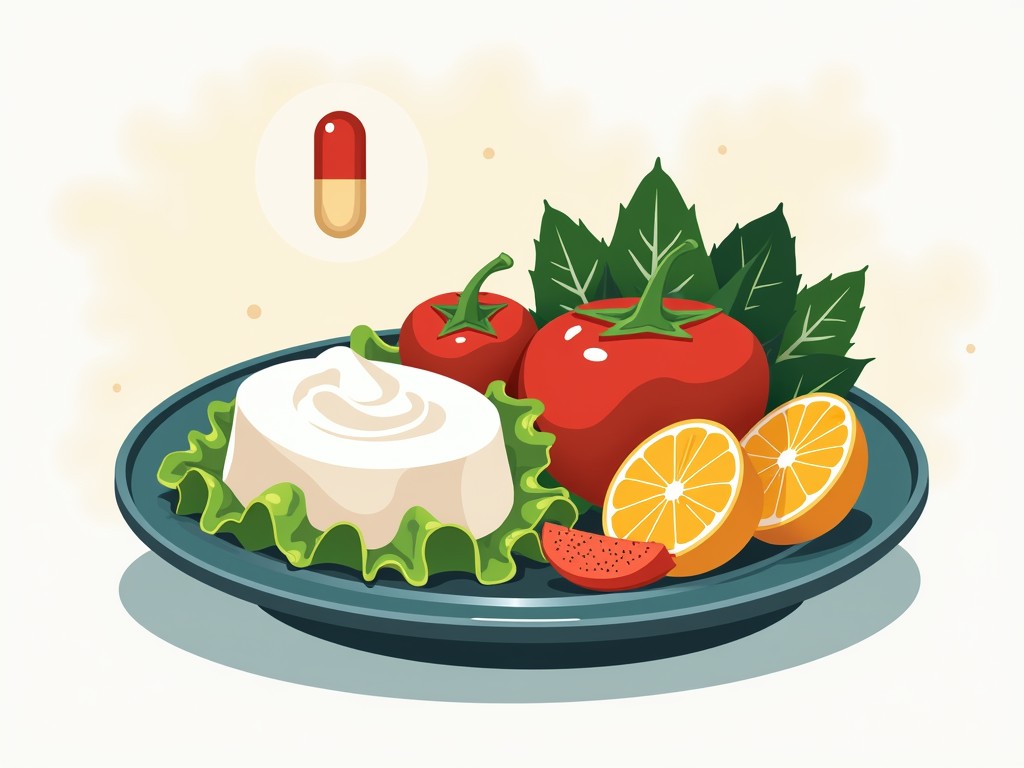
Probiotics are live bacteria that help restore balance to your gut. Consuming probiotic foods can reduce the severity of antibiotic‑associated diarrhea and improve overall gut health.
- Yogurt with live cultures – Look for labels that say “contains live and active cultures.”
- Kefir – A fermented milk drink rich in diverse bacterial strains.
- Kimchi, sauerkraut, and other fermented vegetables – These provide natural probiotics and are also high in vitamins.
- Tempeh and miso – Fermented soy products that add protein and beneficial bacteria.
- Probiotic supplements – If you’re unable to get enough from food, a high‑CFU probiotic capsule can be a good alternative.
2. Prebiotic‑Rich Foods
Prebiotics are fibers that feed the good bacteria in your gut. They help the probiotics you consume thrive and multiply.
- Onions, garlic, leeks, and scallions – All contain inulin, a powerful prebiotic fiber.
- Bananas (especially slightly green) – Rich in resistant starch.
- Artichokes and asparagus – High in inulin and other prebiotic fibers.
- Whole grains (oats, barley, rye) – Provide beta‑glucan and other soluble fibers.
- Legumes (lentils, chickpeas, beans) – Excellent sources of resistant starch and fiber.
3. Fermented Foods with Live Cultures
Fermented foods that are labeled “live and active cultures” contain bacteria that survive the stomach’s acidity and reach the intestines.
- Pickled cucumbers (not vinegar‑based)
- Fermented soy sauces (like tamari)
- Traditional kombucha (ensure it’s unpasteurized)
- Fermented dairy alternatives (e.g., kefir‑style almond milk)
4. Foods Rich in Vitamin K
Some antibiotics can reduce the gut bacteria that produce vitamin K, which is essential for blood clotting. Including vitamin‑K‑rich foods can help maintain normal clotting levels.
- Leafy greens: kale, spinach, Swiss chard, collard greens
- Cruciferous vegetables: broccoli, Brussels sprouts, cabbage
- Herbs: parsley, cilantro, mustard greens
5. High‑Quality Protein and Healthy Fats
Protein supports tissue repair and immune function, while healthy fats provide anti‑inflammatory benefits.
- Lean meats, fish, and poultry
- Plant‑based proteins: tofu, tempeh, edamame
- Omega‑3 sources: salmon, sardines, chia seeds, flaxseeds
- Avocado, nuts, and seeds for monounsaturated fats
Foods to Avoid While on Antibiotics
- Grapefruit and grapefruit juice – Can interfere with drug metabolism and reduce antibiotic effectiveness.
- High‑calcium foods and supplements – Calcium can bind to certain antibiotics, preventing absorption.
- Alcohol – Increases the risk of side effects and can worsen stomach irritation.
- Highly processed foods – Low in fiber and can exacerbate gut inflammation.
- Artificial sweeteners (e.g., sorbitol, mannitol) – May cause diarrhea or bloating.
Alcohol and Antibiotics: What You Need to Know
While moderate alcohol consumption is generally safe with many antibiotics, certain drugs—especially metronidazole and tinidazole—can trigger severe reactions. Symptoms may include nausea, vomiting, flushing, rapid heartbeat, and dizziness. If you’re taking one of these antibiotics, avoid alcohol for at least 48–72 hours after finishing the course.
Practical Tips for Managing Your Diet During Antibiotic Therapy
- Space out antibiotic and probiotic doses – Take them at least 2–3 hours apart to maximize probiotic survival.
- Start with small portions of probiotic foods – Gradually increase to avoid gas or bloating.
- Stay hydrated – Water, herbal teas, and broths help flush toxins and keep stools soft.
- Keep a food diary – Note any symptoms and foods that trigger them to refine your diet.
- Consult a dietitian – If you have chronic gut issues or a complex medication regimen, professional guidance can be invaluable.
Frequently Asked Questions
Q: Can I take probiotics while on antibiotics?
A: Yes, but timing matters. Take the probiotic at least 2–3 hours after the antibiotic dose to reduce the chance that the antibiotic kills the probiotic bacteria.
Q: How long should I continue eating probiotic foods after finishing antibiotics?
A: Aim for at least 2–4 weeks of regular probiotic and prebiotic intake to help restore a healthy microbiome.
Q: Are there any antibiotic‑specific dietary restrictions?
A: Some antibiotics, like tetracyclines, can bind to dairy calcium. It’s best to separate dairy intake from the antibiotic dose by a few hours.
Conclusion
Antibiotics are powerful tools against bacterial infections, but they can leave your gut microbiome in disarray. By strategically incorporating probiotic and prebiotic foods, avoiding interfering foods, and staying mindful of alcohol interactions, you can protect your gut health, reduce side effects, and support a faster recovery. Remember, the right diet is a vital partner in your antibiotic therapy—so choose foods that nourish your microbiome and give your body the best chance to heal.