Why Does Your Jaw Keep Clicking? Causes, Symptoms & Treatment Options for TMJ Disorders
Why Does Your Jaw Keep Clicking? A Comprehensive Guide to TMJ Disorders
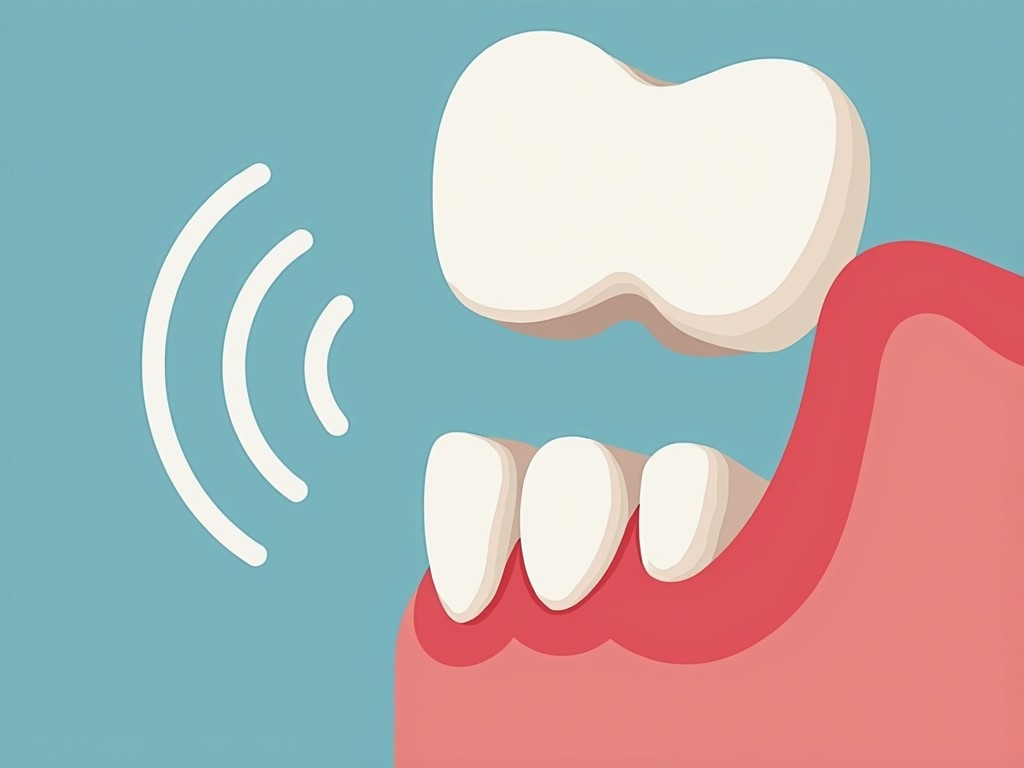
Have you ever noticed a sudden “click” or “clack” when you open your mouth, chew, or even yawn? That annoying sound can be more than just a quirky habit—it may signal an underlying temporomandibular joint (TMJ) problem. Understanding why your jaw keeps clicking is the first step toward relief and improved quality of life.
What Is the Temporomandibular Joint (TMJ)?
The TMJ is the hinge that connects your lower jaw (mandible) to the temporal bone of your skull. It allows you to open, close, and move your jaw side‑to‑side. Inside the joint sits a fibrocartilaginous disc that cushions movement and distributes forces evenly.
Key Components of the TMJ
- Mandibular condyle (the rounded end of the lower jaw)
- Temporal bone (the skull side that houses the joint)
- Articular disc (soft cartilage that acts as a shock absorber)
- Ligaments and muscles that stabilize and move the joint
Common Causes of Jaw Clicking
Jaw clicking is often a symptom of TMJ dysfunction. Below are the most frequent culprits:
1. Disc Displacement
When the articular disc slips out of its normal position, the joint can produce a clicking or popping sound during movement. This is the most common cause of chronic jaw clicking.
2. Degenerative Changes
Age‑related wear, osteoarthritis, or trauma can erode the smooth cartilage surface, leading to friction and audible noises.
3. Trauma or Injury
A blow to the jaw, a fall, or a sports injury can damage the joint or surrounding muscles, resulting in clicking.
4. Bruxism (Teeth Grinding)
Constant pressure from grinding or clenching can strain the joint and cause clicking. Stress is a major trigger for bruxism.
5. Dental Issues
Misaligned teeth or missing fillings can alter jaw mechanics, leading to abnormal joint sounds.
6. Neuromuscular Disorders
Spasms or involuntary contractions of jaw muscles can produce clicking, especially during speech or chewing.
7. Aging
With age, the joint’s cartilage thins and the disc may lose elasticity, making clicking more likely.
Recognizing Symptoms Beyond the Click
While the click itself is a hallmark sign, other symptoms often accompany TMJ disorders:
- Jaw pain or tenderness, especially when chewing or speaking
- Locking or limited mouth opening
- Headaches, earaches, or tinnitus
- Facial muscle fatigue or soreness
- Stiffness or soreness in the neck and shoulders
Diagnostic Approach
Diagnosing TMJ disorders typically involves a combination of:
- Clinical examination (checking range of motion, palpating muscles and joints)
- Patient history (symptom onset, triggers, dental history)
- Imaging studies (X‑ray, CT, MRI) to visualize the disc and joint structures
- Functional tests (e.g., bite force measurement)
Treatment Options: From Conservative to Surgical
Most patients benefit from a stepwise approach that starts with conservative measures. If these fail, surgical options may be considered.
Conservative Treatments
- Physical Therapy: Stretching, strengthening, and massage of jaw muscles.
- Occlusal Appliances: Night guards to reduce bruxism and redistribute bite forces.
- Medication: NSAIDs for pain, muscle relaxants, or low‑dose antidepressants for stress‑related bruxism.
- Behavioral Therapy: Stress management, biofeedback, or counseling to address underlying anxiety.
- Dietary Modifications: Soft foods, avoiding hard or chewy items that strain the joint.
Surgical Interventions
When conservative care fails, a skilled TMJ surgeon may recommend one of the following procedures:
- Arthrocentesis: A minimally invasive washout of the joint to remove debris and reduce inflammation.
- Arthroscopy: A small camera is inserted to visualize and treat disc displacement or cartilage damage.
- Open Joint Surgery: Direct access to the joint for disc repositioning or removal of damaged tissue.
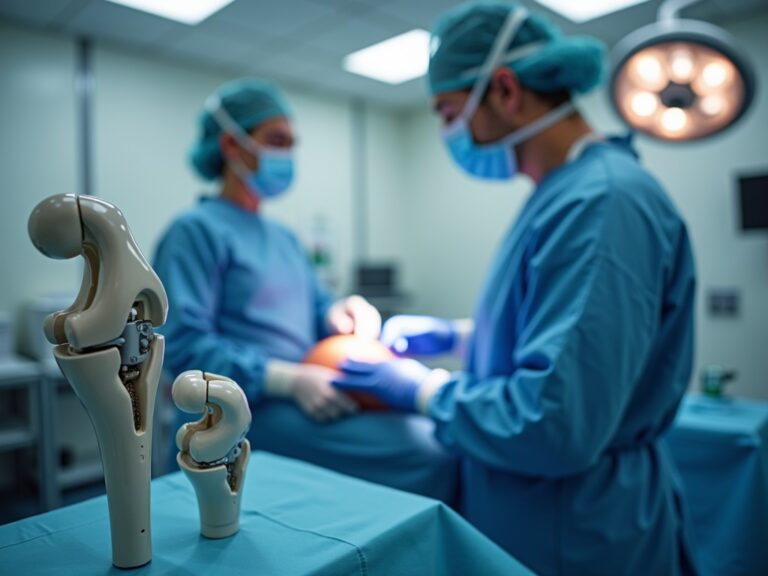
- Total Joint Replacement: Replacement of the joint with a prosthesis in severe cases of arthritis or ankylosis.
Choosing the Right TMJ Specialist
Given the complexity of TMJ disorders, it’s essential to seek care from an experienced oral and maxillofacial surgeon or a dentist specializing in TMJ. A seasoned professional can tailor treatment plans to your specific condition and ensure optimal outcomes.
Frequently Asked Questions (FAQ)
1. Is jaw clicking always a sign of a serious problem?
Not necessarily. Occasional clicking can be benign, especially if it’s not accompanied by pain or limited movement. Persistent clicking, however, warrants evaluation.
2. Can stress cause jaw clicking?
Yes. Stress often leads to bruxism, which places extra pressure on the TMJ and can trigger clicking.
3. How long does it take to recover from TMJ surgery?
Recovery varies. Arthrocentesis may require a few weeks, while open joint surgery or joint replacement can take several months for full rehabilitation.
4. Are there home remedies for jaw clicking?
Gentle jaw exercises, applying warm compresses, and avoiding hard foods can help. However, persistent symptoms should be evaluated by a professional.
5. Can I prevent jaw clicking?
Maintaining good oral hygiene, managing stress, avoiding excessive chewing of gum or hard foods, and using night guards if you grind your teeth can reduce the risk.
Conclusion
Jaw clicking is more than a quirky sound—it often signals underlying TMJ dysfunction that can affect daily life. By recognizing the common causes, seeking timely diagnosis, and following a structured treatment plan—whether conservative or surgical—you can regain comfort and confidence in your jaw movements. If you’re experiencing persistent clicking, pain, or limited mouth opening, consult a qualified TMJ specialist to explore the best options for your unique situation.