
Should You Avoid Carbonated Drinks After Gastric Sleeve Surgery? Expert Guidance & Tips
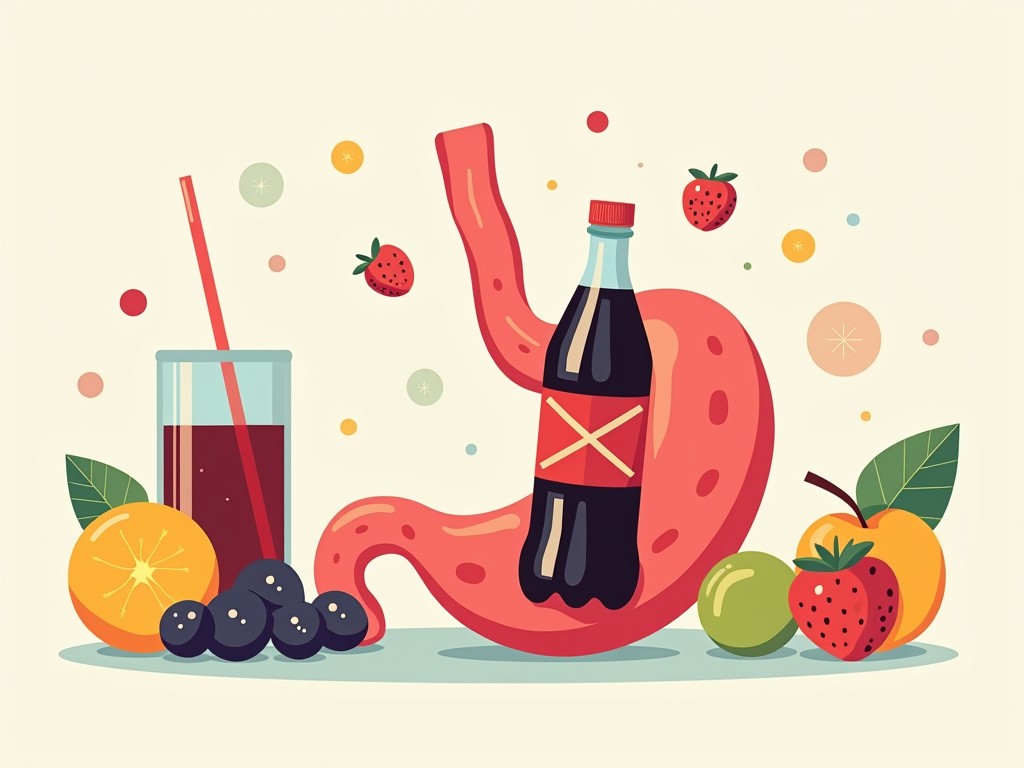
After a gastric sleeve (gastric sleeve surgery) you’ll be eager to enjoy your favorite beverages again. But one question keeps many patients on edge: can you drink soda or other carbonated drinks? The short answer is no—at least for a long time. In this post we break down why carbonated drinks are a no‑go, how long you should wait, and what alternatives keep you hydrated without compromising your recovery.
Why Carbonated Drinks Are Problematic After Gastric Sleeve Surgery
During a gastric sleeve procedure, the stomach is reduced to about 15–20% of its original size. This smaller pouch is highly sensitive and has limited capacity. Carbonated beverages introduce two main issues:
- Carbon dioxide gas expands inside the tiny pouch, creating pressure that can lead to bloating, pain, and even vomiting.
- Many sodas contain high sugar or artificial sweeteners that add empty calories, interfere with weight loss, and may trigger dumping syndrome.
Because of these risks, most surgeons and dietitians advise patients to stay away from all carbonated drinks for months—sometimes for life.
How Long Should You Wait?
There is no one‑size‑fits‑all timeline. Experts vary in their recommendations:
- Some say 3 months is enough for the stomach to heal and for you to tolerate small amounts.
- Others recommend 6–12 months before reintroducing any soda.
- Several centers advise never again, citing the risk of long‑term complications.
Regardless of the number, the key is to consult your surgeon or registered dietitian before making any changes. They’ll assess your healing progress and tolerance level.
Common Symptoms of Carbonated Drink Intolerance
If you accidentally sip a soda too soon, you may experience:
- Severe bloating and a feeling of fullness
- Frequent belching or burping
- Stomach or chest pain
- Heartburn or reflux flare‑ups
- Nausea, vomiting, or even diarrhea in some cases
These symptoms are a direct result of the gas expanding in the limited space of your new stomach.
Does Soda Permanently Expand Your Stomach?
There is no solid scientific evidence that carbonated drinks permanently enlarge the gastric pouch. The discomfort you feel is usually due to temporary pressure, not structural change. However, repeated exposure to large volumes of gas could theoretically stretch the pouch over time, so it’s best to err on the side of caution.
Impact on Weight Loss and Nutrition
After surgery, every calorie counts. Carbonated drinks add:
- “Empty” calories that provide no protein, vitamins, or minerals.
- High sugar content that can slow weight loss or cause weight regain.
- Artificial sweeteners that may disrupt gut microbiota and appetite regulation.
- Dumping syndrome triggers—rapid gastric emptying that leads to dizziness, sweating, and nausea.
Moreover, the gas can fill the pouch, giving you a false sense of fullness and preventing you from eating nutrient‑dense foods like lean protein, vegetables, and healthy fats.
Effects on Bone Health and Mineral Absorption
Colas often contain phosphoric acid, which can increase calcium excretion and impair bone density. After gastric sleeve surgery, calcium and vitamin D absorption is already a concern, so adding phosphates can further jeopardize bone health. Caffeine, another common soda ingredient, promotes diuresis and may worsen fluid loss.
Are Diet or Sugar‑Free Sodas Safer?
While diet sodas remove the calorie problem, they still contain:
- Carbon dioxide gas that causes bloating.
- Acidic pH that can irritate the stomach lining.
- Artificial sweeteners that may affect gut hormones.
Thus, they’re not a safe alternative for the early postoperative period.
When Can You Re‑introduce Carbonated Drinks?
Only after your surgeon or dietitian gives the green light. They may suggest a very small sip—just a few milliliters—after several months of stable weight loss and no reflux symptoms. Even then, many patients choose to avoid soda permanently.
Practical Alternatives for Hydration
Here are safe, tasty options to keep you hydrated without risking complications:
- Water—plain, sparkling (without added sugar), or infused with fruit slices.
- Herbal teas—caffeine‑free and soothing.
- Diluted fruit juices—no more than 120 ml per day, preferably low‑sugar varieties.
- Electrolyte drinks—low‑sugar formulations to replace lost minerals.
Frequently Asked Questions
Q: Can I drink a small amount of soda after 6 months?
A: Only if your healthcare team approves. Even a small amount can cause discomfort.
Q: Is sparkling water safe?
A: Plain sparkling water is generally fine, but avoid flavored or sweetened versions.
Q: What if I experience reflux after drinking soda?
A: Stop immediately, drink water, and contact your surgeon. Reflux can indicate a problem with your healing.
Conclusion
Carbonated drinks pose significant risks for patients who have undergone gastric sleeve surgery. The combination of gas expansion, empty calories, and potential mineral interference makes them a contraindicated beverage for the early and even long‑term postoperative period. By sticking to non‑carbonated, low‑sugar fluids and following your medical team’s guidance, you’ll protect your new stomach, support your weight‑loss goals, and maintain optimal nutrition.
Remember: your recovery is a partnership. Keep open communication with your surgeon and dietitian, and never reintroduce soda without their explicit approval.
Considering treatment in Türkiye?
Get a free consultation and cost estimate from verified specialists.