
Kidney Stone Symptoms, Risk Factors & Treatment: A Comprehensive Guide
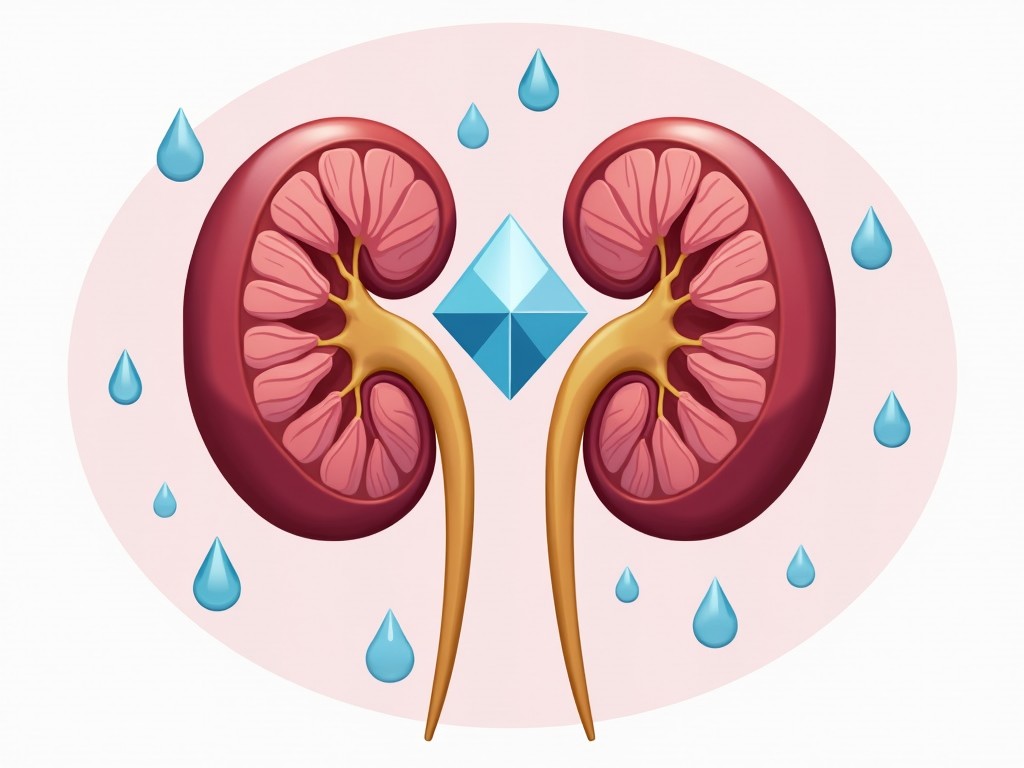
Kidney stones are tiny, hard mineral deposits that form inside the kidneys. They can cause excruciating pain, urinary complications, and even serious health risks if left untreated. Whether you’re experiencing sudden flank pain or simply want to understand how to prevent stones, this guide covers everything you need to know about kidney stone symptoms, risk factors, and the latest treatment options.
What Are Kidney Stone Symptoms?
Recognizing the signs early can help you seek timely care and reduce complications. The most common symptoms include:
- Severe flank or side pain: Sudden, sharp pain that may radiate to the groin or abdomen.
- Painful urination: Burning sensation or discomfort while passing urine.
- Hematuria: Blood in the urine, which may appear pink, red, or cola‑colored.
- Nausea and vomiting: Digestive upset often accompanies intense pain.
- Urinary urgency or frequency: Feeling the need to urinate more often or urgently.
- Cloudy or foul‑smelling urine: May indicate infection or irritation.
- Fever and chills: Possible signs of a urinary tract infection (UTI) or inflammation.
While these symptoms are typical, some people may experience milder signs or none at all, especially if the stone is small and not obstructing the urinary tract.
Key Kidney Stone Risk Factors
Understanding the risk factors can help you take preventive measures. The main contributors include:
- Family history: Genetics play a significant role; having a relative with stones increases your risk.
- Low fluid intake: Dehydration concentrates urine, promoting crystal formation.
- High salt, protein, and oxalate diets: Excessive sodium, animal protein, and foods rich in oxalates (e.g., spinach, nuts) can raise stone risk.
- Obesity: Higher body mass index (BMI) is linked to increased stone formation.
- Chronic UTIs: Recurrent infections can alter urine chemistry.
- Medical conditions: Hypertension, inflammatory bowel disease, gout, and certain kidney disorders elevate risk.
- Medications: Some drugs, like diuretics or calcium‑based antacids, can contribute to stone development.
- Age, gender, and geography: Men and older adults are more prone, and certain regions with high temperatures see higher incidence.
Adopting a healthy lifestyle—adequate hydration, balanced diet, and regular exercise—can significantly reduce your likelihood of developing kidney stones.
Modern Kidney Stone Treatment Options
Treatment depends on stone size, location, composition, and symptom severity. Here’s a rundown of the most common approaches:
1. Conservative Management
- Hydration: Drinking 2–3 liters of water daily dilutes urine and helps stones pass naturally.
- Analgesics: NSAIDs or acetaminophen relieve pain while the stone moves.
- Medications to relax the ureter (e.g., alpha‑blockers) can facilitate stone passage.
2. Extracorporeal Shock Wave Lithotripsy (ESWL)
High‑energy shock waves break stones into smaller fragments that can be expelled through urine. ESWL is typically reserved for stones <2 cm located in the kidney or upper ureter.
3. Ureteroscopy
A flexible scope is inserted through the urethra to the ureter or kidney. The stone is either removed or fragmented with laser energy. This method is effective for stones in the lower ureter or larger kidney stones.
4. Percutaneous Nephrolithotomy (PCNL)
For very large or complex stones, a small incision is made in the back to access the kidney directly. The stone is removed or broken into pieces. PCNL is highly successful but involves a longer recovery period.
5. Surgical Removal
Open or laparoscopic surgery is rarely needed today but may be considered for stones that cannot be treated by less invasive methods.
Preventing Kidney Stones: Lifestyle & Dietary Tips
Prevention is often the best strategy. Consider the following:
- Stay hydrated: Aim for clear or light‑yellow urine.
- Limit sodium: Reduce processed foods and added salt.
- Moderate animal protein: Opt for plant‑based proteins when possible.
- Control oxalate intake: Pair high‑oxalate foods with calcium‑rich dairy to bind oxalates.
- Maintain healthy weight: Regular exercise and balanced meals help.
- Regular check‑ups: If you have a family history, periodic imaging can detect stones early.
Frequently Asked Questions (FAQ)
Q: Can kidney stones be prevented entirely?
A: While complete prevention isn’t guaranteed, adopting healthy habits dramatically lowers risk.
Q: How long does it take for a stone to pass?
A: Small stones may pass within a few days; larger ones can take weeks. Pain management and hydration are key.
Q: Are there natural remedies for kidney stones?
A: Some people use lemon juice or apple cider vinegar, but evidence is limited. Always consult a healthcare provider before trying alternative treatments.
Q: When should I seek emergency care?
Seek immediate help if you experience severe pain, fever, chills, or inability to urinate.
Conclusion
Kidney stones can be painful and disruptive, but with early recognition, proper treatment, and preventive measures, most people can manage or avoid them entirely. If you suspect a stone or have a family history, don’t wait—consult a healthcare professional for evaluation and personalized care. Staying informed and proactive is your best defense against kidney stone complications.
Considering treatment in Türkiye?
Get a free consultation and cost estimate from verified specialists.