
Gastric Botox vs. Gastric Balloon: Which Endoscopic Weight‑Loss Tool Is Right for You?
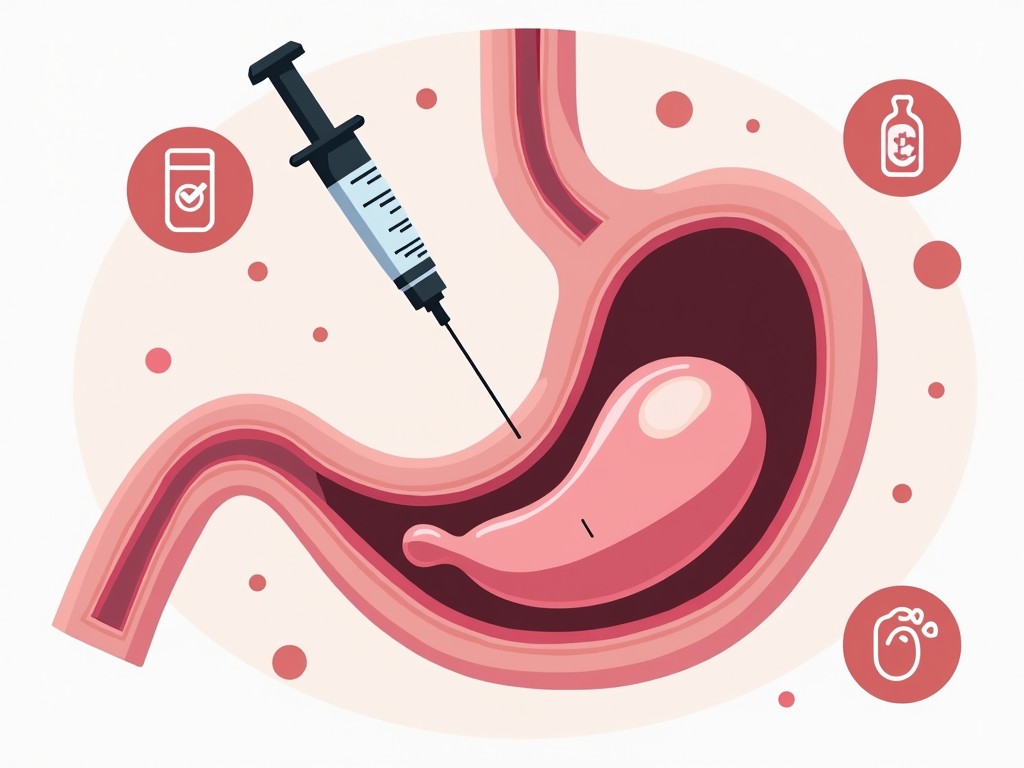
Weight loss is no longer a one‑size‑fits‑all journey. With advances in medical technology, patients now have a range of minimally invasive options that can help them shed pounds without surgery. Two of the most talked‑about procedures are gastric botox (gastric botulinum toxin injection) and the gastric balloon. Though both are endoscopic and aim to curb appetite, they work in very different ways and suit different patient profiles. This guide breaks down the science, benefits, risks, and practical considerations so you can decide which method—if any—fits your weight‑loss goals.
What Is Gastric Botox?
Gastric botox involves injecting botulinum toxin into the stomach’s muscular layer. The toxin temporarily blocks nerve signals that trigger muscle contractions, causing the stomach to relax and slow down the movement of food. The result is a longer feeling of fullness and a reduced appetite.
How It Works
- Mechanism: Botulinum toxin inhibits acetylcholine release at the neuromuscular junction, weakening gastric motility.
- Duration: Effects last roughly 4–6 months before the toxin is metabolized and normal muscle function resumes.
- Procedure: A quick endoscopy (10–15 minutes) under mild sedation; no foreign object is left behind.
What Is a Gastric Balloon?
The gastric balloon is a silicone or polymer balloon that is endoscopically placed inside the stomach and inflated with saline or air. It occupies space, physically limiting how much food the stomach can hold, which triggers early satiety.
How It Works
- Mechanism: Physical volume displacement reduces stomach capacity.
- Duration: Typically 6–12 months, after which the balloon is removed endoscopically.
- Procedure: Similar to botox—endoscopy, but the balloon must be carefully positioned and inflated.
Key Differences at a Glance
| Feature | Gastric Botox | Gastric Balloon |
|---|---|---|
| Mechanism | Neuro‑muscular relaxation | Physical volume restriction |
| Duration of effect | 4–6 months | 6–12 months |
| Foreign body presence | No | Yes (balloon inside stomach) |
| Typical BMI range | 30–35 (moderate obesity) | 30–40+ (severe obesity) |
| Side‑effect profile | Transient bloating, mild nausea | Early nausea, vomiting, reflux, rare balloon leak |
| Cost & repeatability | Lower cost, repeatable every 4–6 months | Higher upfront cost, single‑use per 6–12 months |
Effectiveness: How Much Weight Can You Expect?
Both procedures can produce meaningful weight loss, but the amount varies based on individual factors such as baseline BMI, adherence to diet, and lifestyle changes.
- Gastric Botox: Studies report 5–10% total body weight loss over 4–6 months.
- Gastric Balloon: Patients often see 10–15% weight loss in the first 6 months, with some maintaining 15–20% after 12 months if lifestyle changes are sustained.
Remember, the numbers are averages. Success hinges on a comprehensive plan that includes nutrition counseling and regular exercise.
Side Effects & Safety Considerations
Gastric Botox
- Transient bloating or gas
- Occasional mild abdominal discomfort
- Rare allergic reaction or temporary muscle weakness
Gastric Balloon
- Intense nausea, vomiting, and abdominal pain in the first 3–5 days
- Reflux or heartburn during balloon presence
- Rare balloon rupture or leak—requires immediate medical attention
- Potential for gastritis or ulcer if left too long
Post‑Procedure Diet & Lifestyle Adjustments
Both treatments require dietary modifications, but the approach differs.
After Gastric Botox
- Start with clear liquids, then progress to pureed foods
- Focus on high‑protein, high‑fiber meals to maximize satiety
- Hydration: 2–3 liters of water per day
- Gradual return to normal diet—no strict portion limits needed
After Gastric Balloon
- First 3–5 days: clear liquids only
- Progress to pureed, then soft foods over 1–2 weeks
- Strict portion control: 1–2 servings per meal
- Limit refined carbs and sugary drinks to prevent balloon discomfort
- Continue with a balanced diet rich in protein, vegetables, and whole grains
Recovery Time: How Quickly Can You Resume Normal Life?
- Gastric Botox: Most patients return to normal activities the same day or the next day; mild soreness may last a few days.
- Gastric Balloon: Similar same‑day discharge, but patients often experience nausea and vomiting for 3–5 days. Full recovery to normal routine usually within a week.
Can You Combine Both Treatments?
In theory, a gastric balloon can be used in conjunction with gastric botox to enhance satiety and slow gastric emptying simultaneously. However, the combined approach is not yet standard practice and may increase discomfort and cost. It is typically reserved for clinical trials or highly selected patients under close supervision.
Which Patients Are Best Suited for Each Procedure?
- Gastric Botox: BMI 30–35, moderate obesity, patients who prefer a non‑invasive, repeatable option, and those who can commit to ongoing dietary changes.
- Gastric Balloon: BMI 30–40+, severe obesity, patients needing a stronger appetite suppressant, and those willing to tolerate a temporary foreign body.
- Both procedures are contraindicated in patients with severe gastric motility disorders, active ulcers, or significant psychiatric conditions that may impair adherence.
Frequently Asked Questions
- Q: Is the gastric balloon safe for long‑term use? A: The balloon is designed for 6–12 months. Leaving it longer increases the risk of complications such as ulceration or balloon rupture.
- Q: How often do I need to repeat gastric botox? A: Typically every 4–6 months, depending on how well you maintain lifestyle changes.
- Q: Will I lose weight permanently? A: Both procedures are adjuncts. Long‑term weight maintenance depends on sustained diet and exercise habits.
- Q: Can I exercise after the procedure? A: Light activity is usually fine immediately after. Heavy exercise should wait until you feel comfortable and any post‑procedure symptoms have resolved.
Conclusion
Choosing between gastric botox and a gastric balloon boils down to your specific weight‑loss goals, BMI, lifestyle, and tolerance for side effects. Gastric botox offers a quick, repeatable, and less invasive option for moderate obesity, while the gastric balloon provides a stronger, physically restrictive approach for those with higher BMI or who need a more pronounced appetite suppressant. Regardless of the method, success hinges on a comprehensive plan that includes nutritional counseling, regular exercise, and ongoing medical follow‑up. Consult a qualified bariatric specialist to assess your eligibility and develop a personalized strategy that maximizes safety and results.
Considering treatment in Türkiye?
Get a free consultation and cost estimate from verified specialists.