
Visceral Fat Demystified: Health Risks, Measurement, and Proven Ways to Reduce It
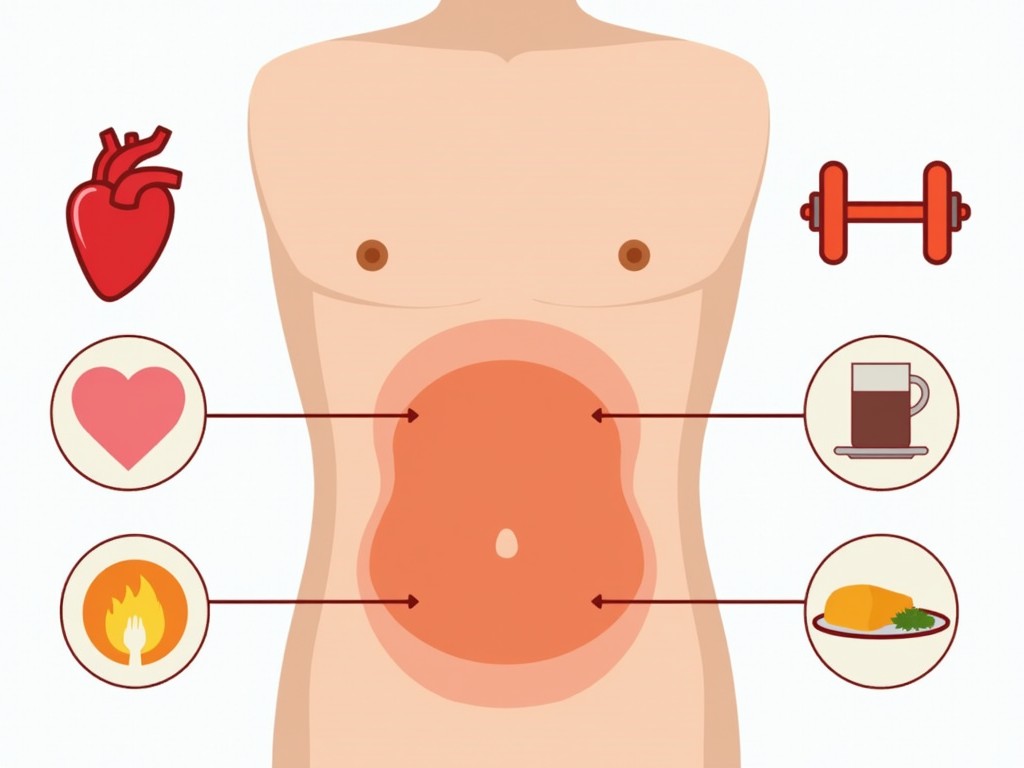
Did you know that the fat surrounding your internal organs is far more dangerous than the belly fat you see in the mirror? This hidden layer, known as visceral fat, quietly fuels chronic diseases, disrupts hormones, and shortens life expectancy. In this guide, we break down what visceral fat is, why it matters, how to measure it, and the most effective lifestyle changes to melt it away.
What Is Visceral Fat?
Visceral fat is the adipose tissue that accumulates deep within the abdominal cavity, wrapping around vital organs such as the liver, pancreas, and intestines. Unlike subcutaneous fat, which lies just beneath the skin, visceral fat is metabolically active and releases inflammatory cytokines that can wreak havoc on the body.
Key Characteristics
- Located inside the abdominal cavity, surrounding organs.
- Highly vascularized, allowing rapid release of fatty acids into the bloodstream.
- Produces pro‑inflammatory molecules like TNF‑α and IL‑6.
- Strongly linked to insulin resistance, hypertension, and dyslipidemia.
Why Is Visceral Fat Dangerous?
Visceral fat is a silent threat. Its metabolic activity triggers a cascade of health problems:
- Insulin Resistance: Free fatty acids flood the liver, impairing glucose uptake and raising blood sugar.
- Cardiovascular Disease: Inflammatory cytokines damage the endothelium, promoting plaque formation and increasing the risk of heart attack and stroke.
- Non‑Alcoholic Fatty Liver Disease (NAFLD): Excess fat in the liver leads to inflammation, fibrosis, and potentially cirrhosis.
- Metabolic Syndrome: Visceral fat contributes to the cluster of conditions—high triglycerides, low HDL, high blood pressure, and abdominal obesity—that elevate mortality risk.
- Neurocognitive Decline: Chronic inflammation may impair brain function and accelerate dementia.
How to Measure Visceral Fat?
Accurate assessment is essential for tracking progress and tailoring interventions. Below are the most common methods:
1. Imaging Techniques (Gold Standard)
- Computed Tomography (CT): Provides precise cross‑sectional images but involves radiation and high cost.
- Magnetic Resonance Imaging (MRI): No radiation, excellent detail; however, it is expensive and less accessible.
2. Anthropometric Measures
- Waist Circumference: Simple, inexpensive; men < 94 cm and women < 80 cm are considered low risk.
- Waist‑to‑Hip Ratio: A ratio > 0.90 (men) or > 0.85 (women) indicates excess visceral fat.
- Sagittal Abdominal Diameter: Measures front‑to‑back thickness; useful in research settings.
3. Bioelectrical Impedance Analysis (BIA)
Portable devices estimate body composition, including visceral fat index. Accuracy varies with hydration status and device quality.
4. Emerging Technologies
- 3D photonic scanning combined with AI segmentation.
- Portable ultrasound devices for point‑of‑care assessment.
Factors Contributing to Visceral Fat Accumulation
Visceral fat builds up due to a mix of genetic, hormonal, and lifestyle factors:
- Genetics: Certain alleles predispose individuals to central obesity.
- Diet: High fructose, trans fats, and refined carbohydrates accelerate visceral deposition.
- Physical Inactivity: Sedentary behavior reduces energy expenditure and favors abdominal fat storage.
- Hormonal Changes: Post‑menopausal estrogen decline and age‑related testosterone drop promote visceral gain.
- Stress & Cortisol: Chronic stress elevates cortisol, which drives fat to the abdomen.
- Sleep Deprivation: Poor sleep disrupts leptin and ghrelin, increasing appetite and fat storage.
- Alcohol: Excessive drinking fuels liver fat accumulation and abdominal obesity.
Effective Strategies to Reduce Visceral Fat
Reducing visceral fat requires a multi‑pronged approach. Below are evidence‑based tactics that work best when combined.
1. Aerobic Exercise
- Target: 150 minutes/week of moderate‑intensity (e.g., brisk walking, cycling).
- Benefits: Lowers visceral fat by 5–10 % and improves insulin sensitivity.
2. High‑Intensity Interval Training (HIIT)
- Structure: 20–30 minutes of alternating 30‑second sprints with 1‑minute recovery.
- Outcome: Comparable visceral fat loss to longer aerobic sessions, with added metabolic boost.
3. Resistance Training
- Incorporate 2–3 sessions/week focusing on major muscle groups.
- Result: Increases lean mass, elevates resting metabolic rate, and supports fat loss.
4. Nutritional Interventions
- Caloric Deficit: 500–750 kcal/day reduction yields sustainable weight loss.
- Macronutrient Balance: 30 % protein, 30 % healthy fats, 40 % complex carbs.
- Fiber & Plant‑Based Foods: Promote satiety and reduce visceral fat.
- Limit Fructose & Trans Fats: Cut sugary drinks and processed snacks.
5. Lifestyle Modifications
- Sleep: Aim for 7–9 hours/night to regulate appetite hormones.
- Stress Management: Mindfulness, yoga, or counseling can lower cortisol.
- Alcohol Moderation: Keep to < 2 drinks/day for men, < 1 for women.
6. Monitoring Progress
- Track waist circumference monthly.
- Use BIA or periodic imaging for precise visceral fat index.
- Adjust diet and exercise based on trends.
Frequently Asked Questions About Visceral Fat
What is a healthy visceral fat level?
For men, a visceral fat score below 12 and for women below 10 is generally considered low risk, though individual factors may shift these thresholds.
Can I lose visceral fat without losing overall weight?
Yes. Targeted aerobic and resistance training, coupled with a modest caloric deficit, can reduce visceral fat while preserving muscle mass.
Is visceral fat the same as belly fat?
No. Belly fat includes both subcutaneous (under the skin) and visceral layers. Visceral fat is the deeper, more harmful component.
How long does it take to see changes?
Visible reductions in waist circumference can appear within 4–6 weeks of consistent lifestyle changes, but significant visceral fat loss often requires 3–6 months.
Conclusion
Visceral fat is a silent but potent driver of chronic disease. By understanding its biology, accurately measuring its extent, and implementing a comprehensive plan that blends exercise, nutrition, and lifestyle tweaks, you can dramatically lower your risk profile and improve longevity. Start today—your organs, heart, and future self will thank you.
Considering treatment in Türkiye?
Get a free consultation and cost estimate from verified specialists.