
Cystoscopy Explained: How Flexible Cystoscopy Helps Diagnose and Treat Bladder Issues
Introduction
When a patient experiences unexplained blood in the urine, persistent bladder pain, or recurrent urinary tract infections, doctors often turn to a powerful diagnostic tool: cystoscopy. This minimally invasive procedure allows direct visualization of the bladder and urethra, enabling early detection of bladder cancer, evaluation of ureteral stents, and treatment of various urinary disorders. In this post, we’ll break down what cystoscopy is, why flexible cystoscopy is preferred, and what patients can expect before, during, and after the exam.
What Is Cystoscopy?
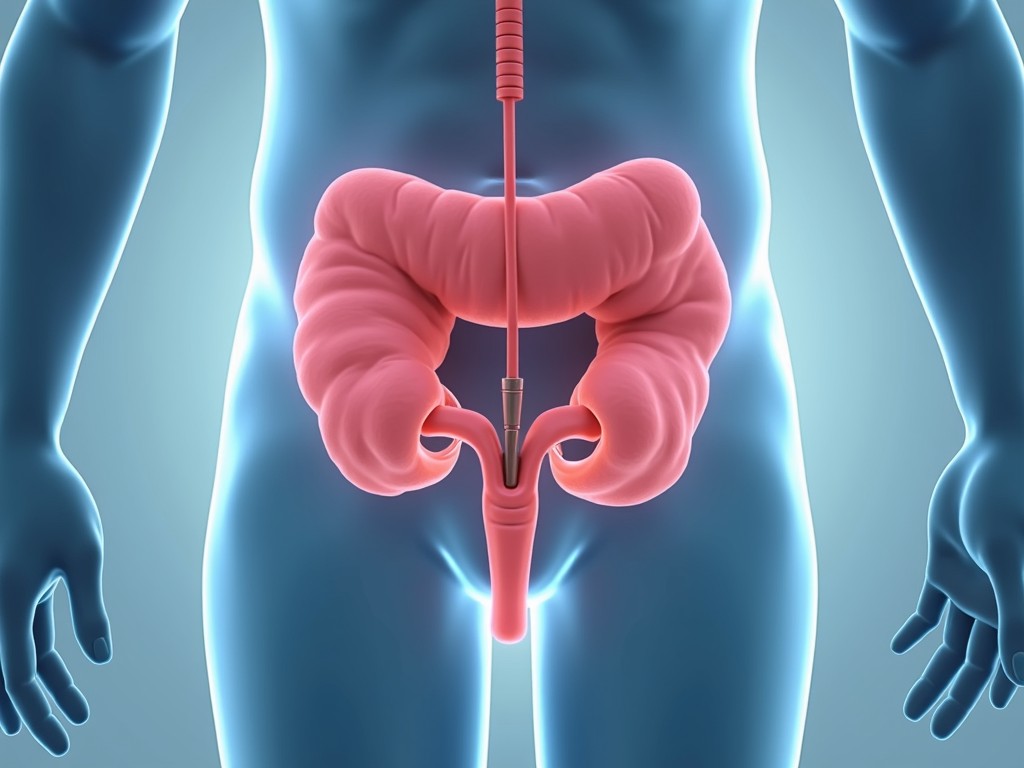
Cystoscopy, also known as a bladder scope examination, is a procedure that uses a thin, light‑filled camera—called a cystoscope—to view the interior lining of the bladder and urethra. The image is transmitted to a monitor, allowing the urologist to spot abnormalities such as tumors, stones, strictures, or inflammatory lesions. Because the cystoscope is typically single‑use and sterilized, the risk of infection is minimal.
Key Benefits of Cystoscopy
- Direct visualization of bladder mucosa
- Immediate biopsy of suspicious lesions
- Guided treatment of ureteral strictures or stent removal
- Short recovery time—often performed as an outpatient
Types of Cystoscopy
While the core concept remains the same, cystoscopy can be performed in several variations depending on the clinical question.
Flexible Cystoscopy
Utilizes a bendable scope that can navigate the longer male urethra and the prostate gland with ease. It is the most common form today because of its superior comfort and ability to perform therapeutic maneuvers such as dilation or hydrodistention.
Rigid Cystoscopy
Employs a straight scope, traditionally used in older practice or for certain surgical procedures. It offers a wider field of view but can be more uncomfortable, especially in male patients.
Transurethral Resection of Bladder Tumor (TURBT)
When a tumor is identified, the cystoscope is equipped with a cutting loop to remove the lesion for definitive pathology.
When Is Cystoscopy Needed?
Doctors typically recommend cystoscopy in the following scenarios:
- Hematuria (blood in urine) of any color or amount
- Recurrent urinary tract infections, especially in the lower urinary tract
- Suspected bladder or prostate cancer
- Persistent bladder pain or urgency (interstitial cystitis)
- Evaluation of ureteral stents or obstruction
- Assessment of urethral strictures or congenital anomalies
How the Procedure Is Performed
The flexible cystoscopy is typically a quick, outpatient procedure lasting 5–15 minutes. Here’s a step‑by‑step overview:
- Preparation: The patient empties the bladder, wears loose clothing, and may receive a prophylactic antibiotic if infection risk is high.
- Local Anesthesia: A gel or spray anesthetic is applied to the urethral opening to minimize discomfort.
- Insertion: The cystoscope is gently guided through the urethra into the bladder. In men, the scope may pass through the prostate; in women, the shorter urethra allows quicker access.
- Inspection: The urologist examines the bladder walls, ureteral orifices, and, if indicated, the prostate lobes.
- Biopsy or Treatment: If suspicious lesions are found, a biopsy forceps is passed through the scope to sample tissue. Therapeutic interventions such as stent removal or urethral dilation can also be performed.
- Completion: The scope is withdrawn, and the patient is observed briefly before discharge.
What Patients Can Expect After the Exam
Most patients experience only mild, transient symptoms:
- Occasional burning or discomfort during urination
- Small amounts of pink or red urine for 1–2 days
- Increased frequency of urination
These signs typically resolve within 48 hours. Patients are advised to drink plenty of water, avoid alcohol and caffeine for 48 hours, and refrain from heavy lifting for 24 hours. If severe pain, fever, or persistent bleeding occurs, immediate medical attention is warranted.
Common Questions About Flexible Cystoscopy
Is Flexible Cystoscopy Painful?
Compared to rigid cystoscopy, flexible cystoscopy is considerably less painful. With local anesthesia, most patients report only a mild burning sensation or pressure, not significant pain.
Do I Need to Stay Overnight?
No. The procedure is usually done on an outpatient basis. After a short observation period, patients can return home the same day.
Can Cystoscopy Diagnose Bladder Cancer?
Yes. It is the gold standard for bladder cancer detection. The visual inspection allows the urologist to identify suspicious lesions, and a biopsy can confirm malignancy.
What Are the Risks?
Risks are low when performed with sterile equipment:
- Minor bleeding or hematuria
- Transient urinary discomfort
- Rare infection if sterility is compromised
Conclusion
Flexible cystoscopy is a cornerstone of modern urology, offering a quick, safe, and highly informative window into the bladder and urethra. Whether it’s diagnosing early bladder cancer, evaluating recurrent infections, or managing ureteral stents, this procedure empowers clinicians to deliver precise, targeted care. If you’re experiencing unexplained urinary symptoms, discuss cystoscopy with your healthcare provider—it could be the key to early detection and effective treatment.
Considering treatment in Türkiye?
Get a free consultation and cost estimate from verified specialists.