
Laparoscopic Hernia Surgery Explained: Benefits, Types, and Recovery Guide
Introduction
When it comes to hernia repair, the traditional open surgery has long been the gold standard. However, advances in minimally invasive techniques have transformed the field, offering patients faster recovery, less pain, and smaller scars. Laparoscopic hernia surgery—performed through tiny incisions with the aid of a camera—has become the preferred choice for many surgeons and patients alike. In this guide, we’ll explore what laparoscopic hernia surgery is, its key advantages, the types of hernias it can treat, how the procedure is carried out, and what to expect during recovery.
What Is Laparoscopic Hernia Surgery?
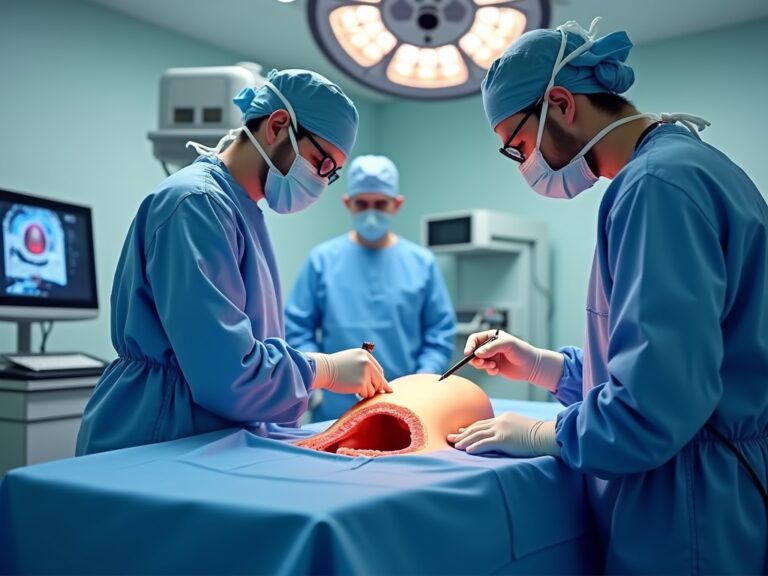
Laparoscopic hernia surgery is a minimally invasive procedure that repairs a hernia without the need for a large abdominal incision. Instead, surgeons make one or two small cuts (typically 0.5–1 cm) and insert a laparoscope—a thin, lighted tube with a camera—along with specialized instruments. The camera transmits real‑time images to a monitor, allowing the surgeon to see inside the abdomen and perform the repair with precision.
Key Advantages of Laparoscopic Hernia Surgery
Compared to open surgery, laparoscopic hernia repair offers several significant benefits:
- Reduced Pain and Discomfort – Smaller incisions mean less tissue trauma, leading to lower postoperative pain.
- Lower Infection Risk – The minimal exposure of internal tissues reduces the chance of wound infection.
- Quicker Return to Daily Life – Most patients resume normal activities within a week, and many return to work or sports in just 2–3 weeks.
- Excellent Cosmetic Results – Tiny scars are often barely noticeable.
- High Success Rate – Studies show recurrence rates comparable to, or lower than, open repair when performed by experienced surgeons.
Which Hernias Can Be Treated Laparoscopically?
Laparoscopic techniques are versatile and can address a wide range of abdominal hernias:
- Inguinal (Groin) Hernias – The most common type, especially in men.
- Umbilical (Navel) Hernias – Often seen in infants and adults with increased abdominal pressure.
- Incisional (Post‑Surgical) Hernias – Occur at the site of a previous abdominal incision.
- Hiatal (Stomach) Hernias – Where part of the stomach pushes through the diaphragm.
How Is a Laparoscopic Inguinal Hernia Repair Performed?
The procedure typically follows these steps:
- Preparation – The patient is placed under general anesthesia and positioned on the operating table.
- Incision and Insufflation – One or two small incisions are made, and carbon dioxide gas is introduced to inflate the abdomen, creating space for the instruments.
- Insertion of the Laparoscope – The camera is inserted, and the surgeon views the abdominal cavity on a monitor.
- Identification of the Hernia – The surgeon locates the hernia sac and the defect in the abdominal wall.
- Placement of Mesh – A synthetic mesh is positioned over the defect and secured with sutures or tacks, reinforcing the weakened area.
- Closure – The incisions are closed with sutures or surgical glue, and a sterile dressing is applied.
For bilateral hernias, the same steps are repeated on the other side, often within the same operative session.
Common Causes of Inguinal Hernias
Understanding the risk factors can help in prevention and early detection:
- Heavy lifting or strenuous physical activity
- Chronic coughing (e.g., COPD, smoking)
- Constipation and straining during bowel movements
- Genetic predisposition or connective tissue disorders
- Previous abdominal surgeries that weaken the wall
- Prostate enlargement in men, which increases intra‑abdominal pressure
Recovery After Laparoscopic Hernia Surgery
Recovery is typically swift, but patients should follow these guidelines to ensure optimal healing:
- Limit Physical Activity – Avoid heavy lifting and strenuous exercise for at least 2–3 weeks.
- Manage Pain – Take prescribed analgesics as directed; most patients experience minimal discomfort.
- Hydration and Diet – Drink plenty of water and consume a balanced diet to prevent constipation.
- Monitor the Incision – Watch for redness, swelling, or discharge; contact your surgeon if any concerns arise.
- Follow-Up Visits – Attend scheduled appointments to monitor healing and mesh integration.
Most patients are discharged the same day or after an overnight observation, and can return home to rest. The majority resume normal activities within a week, with full recovery typically achieved in 4–6 weeks.
Frequently Asked Questions
Is laparoscopic hernia surgery suitable for everyone?
While laparoscopic repair is widely applicable, certain factors—such as severe obesity, extensive scar tissue, or previous complex abdominal surgeries—may necessitate an open approach. Your surgeon will assess your individual case to recommend the safest option.
What is the risk of hernia recurrence?
Recurrence rates are low when the procedure is performed by an experienced laparoscopic surgeon. Proper mesh placement and postoperative care are critical to minimizing this risk.
Can I return to sports after surgery?
Most athletes can resume light activity within 2–3 weeks and return to competitive sports after 4–6 weeks, depending on the intensity of their sport and the surgeon’s advice.
Conclusion
Laparoscopic hernia surgery represents a significant advancement in the treatment of abdominal hernias. By combining precision, minimal invasiveness, and rapid recovery, it offers patients a superior alternative to traditional open repair. If you suspect you have a hernia or are considering surgery, consult a qualified surgeon to discuss whether laparoscopic repair is the right choice for you.
For personalized evaluation and to schedule a consultation, contact Dr. Çetin Altunal’s clinic at +90 (212) 706 87 97 or email [email protected].