
Understanding Spinal Stenosis: Causes, Symptoms, and Effective Treatments
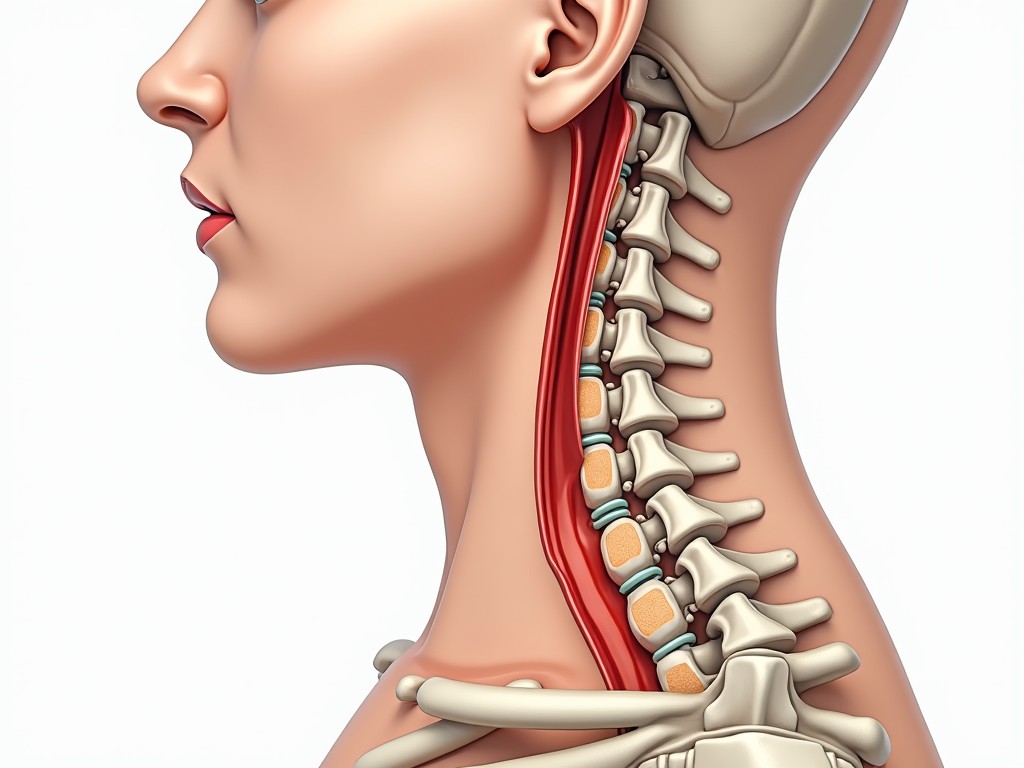
Spinal stenosis—often referred to as spine narrowing—is a common yet often misunderstood condition that can lead to debilitating back pain and mobility issues. Whether you’re a patient, caregiver, or simply curious about spinal health, this guide breaks down the science behind the condition, highlights key symptoms, and explores both medical and lifestyle solutions to manage and alleviate pain.
What Is Spinal Stenosis?
Spinal stenosis is the narrowing of the spinal canal, the space that houses the spinal cord and nerve roots. This constriction can compress nerves, leading to pain, numbness, and weakness. While the term is often associated with the lumbar (lower back) region, it can also affect the cervical (neck) or thoracic (mid-back) areas.
How Does the Spinal Canal Narrow?
- Degenerative changes: Age-related wear and tear, such as disc degeneration and bone spurs, can reduce canal space.
- Herniated discs: A slipped disc can bulge into the canal, pressing on nerves.
- Spinal injuries: Trauma or fractures can alter the spine’s structure.
- Congenital factors: Some people are born with a naturally narrow canal.
Recognizing the Symptoms
Early detection is key to effective management. Common signs include:
- Radiating pain in the legs or arms (often worsened by walking or standing).
- Weakness or numbness in the limbs.
- Loss of balance or difficulty walking.
- Sudden onset of pain after a minor injury.
Because symptoms can mimic other conditions, a thorough medical evaluation—including imaging studies like MRI or CT scans—is essential for accurate diagnosis.
Diagnostic Pathways
Doctors typically follow a stepwise approach:
- Physical exam: Assess reflexes, muscle strength, and pain distribution.
- Imaging: MRI provides detailed soft-tissue images; CT scans are useful for bone detail.
- Electrodiagnostic tests: EMG and nerve conduction studies can confirm nerve compression.
Treatment Options: From Conservative Care to Surgery
Management depends on severity, location, and patient preferences. Below are common strategies:
Conservative (Non-Surgical) Treatments
- Physical therapy: Strengthening core muscles and improving flexibility can reduce pressure on the spine.
- Medications: NSAIDs, muscle relaxants, and neuropathic pain agents help control inflammation and discomfort.
- Injections: Epidural steroid injections or nerve blocks provide temporary relief.
- Assistive devices: Braces or orthotic shoes can stabilize the spine and improve gait.
- Lifestyle modifications: Weight management, ergonomic adjustments, and regular low-impact exercise (e.g., swimming, walking) support spinal health.
Surgical Interventions
When conservative measures fail or symptoms are severe, surgery may be considered. Common procedures include:
- Laminectomy: Removal of the vertebral arch to widen the canal.
- Spinal fusion: Stabilizing adjacent vertebrae after decompression.
- Endoscopic decompression: Minimally invasive technique using small incisions.
- Disc replacement: Replacing a damaged disc with an artificial one.
Postoperative rehabilitation is crucial for optimal recovery.
Living With Spinal Stenosis: Practical Tips
Managing daily life involves a combination of medical care and self-care strategies:
- Exercise wisely: Focus on low-impact activities that strengthen the back without overloading it.
- Maintain good posture: Use ergonomic chairs and avoid prolonged sitting.
- Use heat and cold: Heat can relax muscles; cold can reduce inflammation.
- Mindful movement: Avoid sudden twists or heavy lifting.
- Regular check-ups: Monitor symptom progression and adjust treatment plans accordingly.
Frequently Asked Questions
1. Can spinal stenosis be prevented?
While genetics play a role, maintaining a healthy weight, staying active, and practicing proper ergonomics can reduce the risk of degenerative changes that lead to stenosis.
2. How long does surgery take to recover?
Recovery times vary. Laminectomy may require 4–6 weeks of limited activity, while spinal fusion can take 3–6 months for full healing.
3. Are there alternative therapies?
Acupuncture, chiropractic adjustments, and yoga can complement conventional treatments, but should be discussed with a healthcare provider to ensure safety.
Conclusion
Spinal stenosis is a complex condition that can significantly impact quality of life. However, with early diagnosis, a tailored treatment plan, and proactive lifestyle changes, many individuals find relief and regain mobility. If you suspect you’re experiencing symptoms of spine narrowing, consult a qualified spine specialist to explore the best options for your unique situation.
Considering treatment in Türkiye?
Get a free consultation and cost estimate from verified specialists.