
Mastering Doctor‑Patient Communication: Boost Trust, Improve Outcomes, and Save Time
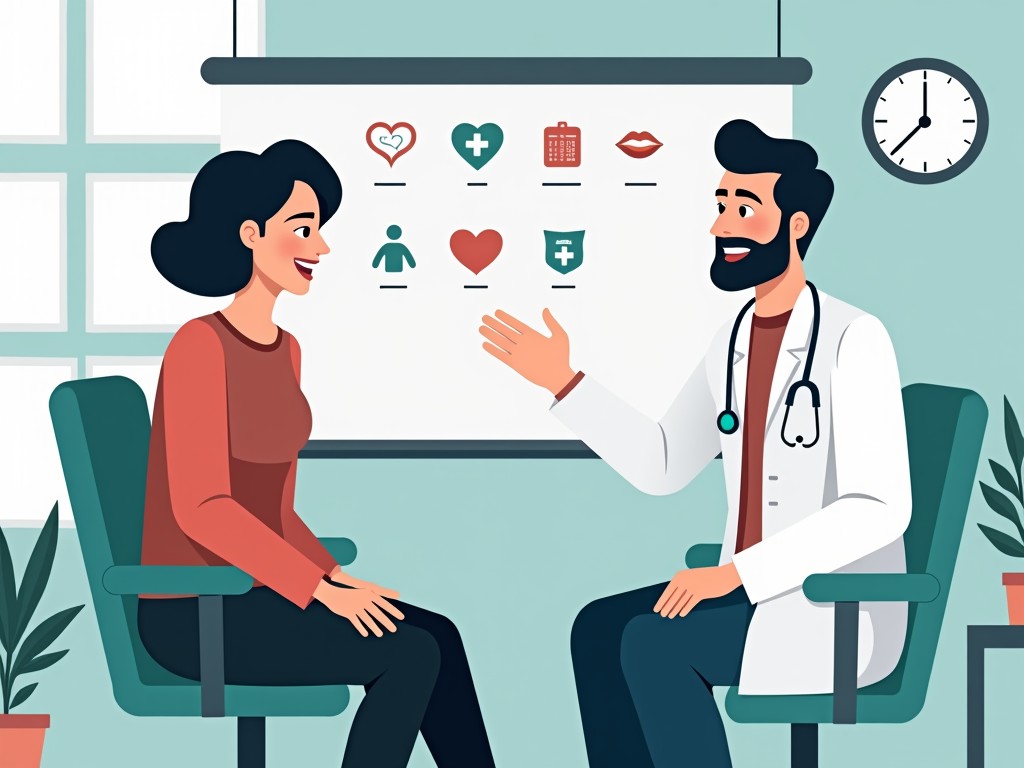
Introduction: Why Communication Matters More Than Ever
In today’s fast‑paced healthcare environment, a patient’s experience can be as critical as the treatment itself. A recent study from 2015 showed that a strong doctor‑patient relationship not only increases satisfaction but also enhances knowledge exchange and treatment adherence. When patients feel heard and understood, they are more likely to follow medical advice, leading to better health outcomes and even reduced costs for the entire health system.
1. The Pillars of Trust‑Based Communication
Trust is the foundation of any successful medical encounter. It is built through:
- Active Listening: Doctors who maintain eye contact and avoid rushing the conversation create a safe space for patients.
- Transparency: Clear explanations of diagnoses, treatment options, and potential side‑effects empower patients to make informed decisions.
- Empathy: Acknowledging a patient’s emotions—especially during life‑threatening diagnoses—helps them process information more effectively.
Impact on Chronic Disease Management
Conditions such as hypertension and diabetes require long‑term lifestyle changes. When a doctor understands a patient’s daily routine and challenges, they can tailor recommendations that fit real life, improving adherence and outcomes.
2. Common Communication Pitfalls and How to Avoid Them
Even the best intentions can falter if certain barriers are not addressed:
- Time Constraints: In many countries, the ideal 20‑minute consultation is rarely achieved. Doctors often spend most of this time on electronic records, leaving little room for dialogue.
- Emotional Overload: A serious diagnosis can trigger shock and sadness, making it hard for patients to absorb information.
- Sensory or Cognitive Limitations: Older adults or patients with neurological conditions may struggle to understand verbal explanations.
- Medical Jargon: Complex terminology can alienate patients who lack medical literacy.
Practical Solutions
- Use plain language and repeat key points.
- Provide written summaries or visual aids.
- Ask patients to repeat information back to confirm understanding.
3. How Patients Can Prepare for a Successful Visit
Preparation is a two‑way street. Patients who come armed with questions and information can make the most of limited appointment time.
Step‑by‑Step Preparation Guide
- Identify Your Needs: Decide whether you need a specialist, a general practitioner, or a mental health professional based on your condition and personal comfort.
- Write Down Questions: Prioritize 2–3 essential questions to avoid overwhelm.
- Gather Medical History: List current medications, supplements, allergies, and family health history.
- Request a Brief Consultation: Politely ask for a few minutes of focused conversation: “Could we spend a few minutes discussing my main concern?”
- Practice Empathy: Acknowledge the doctor’s workload: “I understand you have many patients, but this issue is important to me.”
4. Practical Tips for Effective Doctor‑Patient Interaction
- Use the “Ask, Then Listen” Technique: Pose your question, then give the doctor time to answer fully before adding follow‑up questions.
- Confirm Understanding: Summarize what you heard: “So you’re saying I should take the medication twice daily and avoid dairy?”
- Request Written Instructions: Ask for a handout or a link to a reputable online resource.
- Follow Up: If you’re unsure about any advice, call the office or use patient portals to clarify.
FAQs
- Q: How can I handle a rushed appointment?
A: Politely ask for a brief moment to clarify your main concern. If time remains, request a follow‑up call or email. - Q: What if I don’t understand medical terms?
A: Ask the doctor to explain in plain language or request a written glossary. - Q: How can I ensure my doctor knows my lifestyle?
A: Share details about your diet, exercise routine, and daily schedule during the visit.
Conclusion: The Win‑Win of Good Communication
Effective doctor‑patient communication is a shared responsibility that yields tangible benefits: higher treatment adherence, better health outcomes, and a lighter economic burden on the healthcare system. By preparing thoughtfully, asking targeted questions, and fostering an environment of mutual respect, patients can transform a routine appointment into a powerful partnership for health.
Considering treatment in Türkiye?
Get a free consultation and cost estimate from verified specialists.