
Understanding Middle Ear Infection: Causes, Symptoms, and Modern Treatment Options
Introduction
Middle ear infection, known medically as otitis media, is one of the most common ailments affecting children and adults alike. While it often resolves on its own, persistent or severe cases can lead to hearing loss, chronic pain, and even serious complications. This guide offers a comprehensive look at the anatomy of the ear, the triggers of middle ear infection, and the latest medical and surgical treatments available.
What Is the Middle Ear?
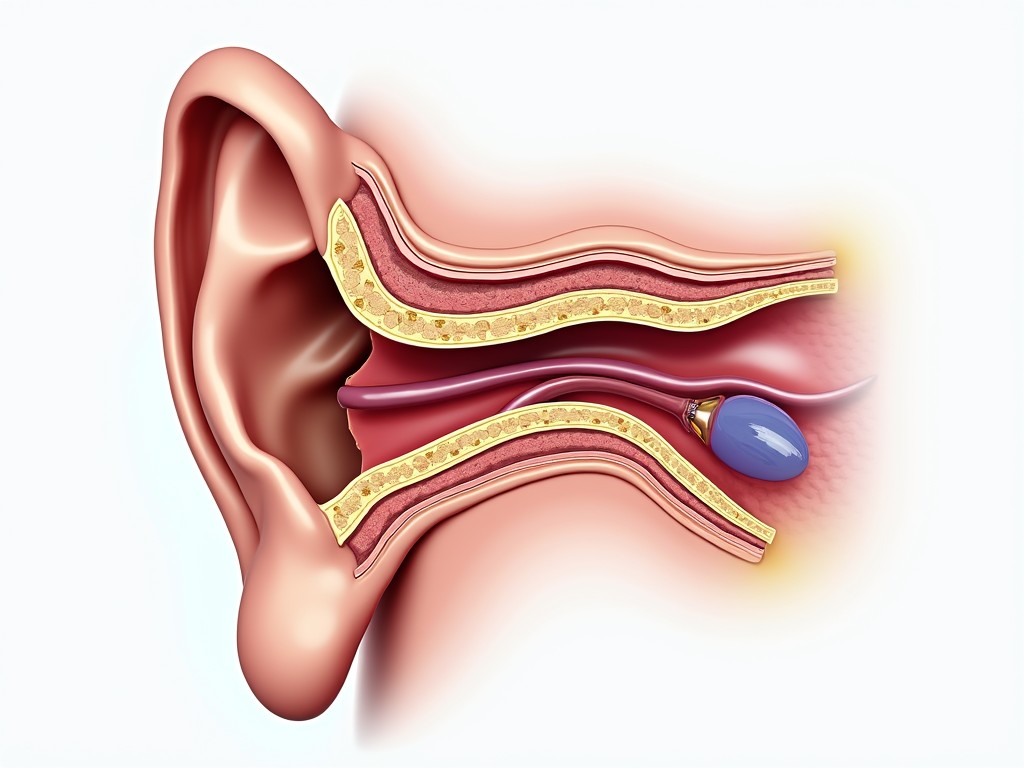
The ear is divided into three sections: the outer ear, the middle ear, and the inner ear. The middle ear houses the eardrum (tympanic membrane) and the ossicles—three tiny bones (malleus, incus, stapes) that transmit sound vibrations to the inner ear. When the middle ear becomes inflamed, sound transmission is disrupted, leading to conductive hearing loss.
Common Causes of Middle Ear Infection
- Upper Respiratory Infections: Viral colds or flu can cause swelling in the Eustachian tube, blocking fluid drainage.
- Allergies: Allergic rhinitis can lead to chronic congestion and fluid buildup.
- Environmental Factors: Exposure to smoke or pollutants may irritate the ear lining.
- Anatomical Variations: Narrow or malformed Eustachian tubes increase susceptibility.
Recognizing Symptoms
Early detection is key. Common signs include:
- Ear pain or discomfort
- Fluid drainage or a feeling of fullness
- Temporary hearing loss or muffled sounds
- Balance issues or dizziness
- Fever and general malaise in children
Non-Surgical Treatment Options
1. Medication
Doctors typically prescribe:
- Antibiotics: Oral or ear drops to combat bacterial infection.
- Decongestants: To reduce Eustachian tube swelling.
- Analgesics for pain relief.
2. Ear Care Practices
Proper hygiene can prevent recurrence:
- Keep ears dry—use a towel or earplugs during showers.
- Avoid inserting cotton swabs deep into the ear canal.
- Use a soft cotton ball with petroleum jelly when cleaning the outer ear.
- Limit nose blowing; if necessary, do it gently and only on one nostril at a time.
3. Ear Ventilation Techniques
Procedures such as myringotomy (small incision in the eardrum) with or without a ventilation tube can relieve pressure and drain fluid.
When Surgery Is Needed
Chronic or severe middle ear infections may require surgical intervention. Below are the most common procedures:
1. Tympanoplasty (Ear Drum Repair)
Used when the eardrum has a perforation or scar tissue. The surgeon stitches the eardrum or uses graft material (skin, cartilage, or fascia) to restore integrity.
2. Timpanoplasty with Ossicular Chain Reconstruction
In cases where the ossicles are damaged, the surgeon may replace or reshape them using bone or synthetic materials.
3. Mastoidectomy
When infection spreads to the mastoid bone behind the ear, a portion of the bone is removed to eliminate the source of infection.
4. Radical Mastoidectomy and Obliteration
For stubborn infections, the entire mastoid cavity may be removed and filled with tissue or bone grafts to prevent fluid accumulation.
Post-Operative Care and Recovery
After surgery, patients typically:
- Return to work or school within 7–10 days.
- Experience full healing in about six weeks.
- May notice gradual improvement in hearing over several months.
- Should avoid swimming or submerging the ear for at least 4–6 weeks.
Frequently Asked Questions
Q: Can middle ear infection lead to permanent hearing loss?
A: If untreated or recurrent, it can damage the ossicles or eardrum, potentially causing lasting conductive hearing loss. Early treatment is essential.
Q: Are antibiotics always necessary?
A: Not always. Many viral infections resolve without antibiotics. Your doctor will assess the need based on severity and duration.
Q: What is a cholesteatoma?
A: It’s a growth of skin cells in the middle ear that can erode bone and cause chronic infection. Surgical removal is usually required.
Conclusion
Middle ear infection is a treatable condition, but its impact can be significant if left unchecked. Understanding the anatomy, recognizing symptoms early, and following a tailored treatment plan—whether medical or surgical—can restore hearing and prevent complications. If you or a loved one experiences persistent ear pain, fluid drainage, or hearing changes, consult an ENT specialist promptly for a thorough evaluation and personalized care plan.
Considering treatment in Türkiye?
Get a free consultation and cost estimate from verified specialists.