
Laser Teeth Whitening: The Fast, Safe, and Stunning Solution for a Brighter Smile
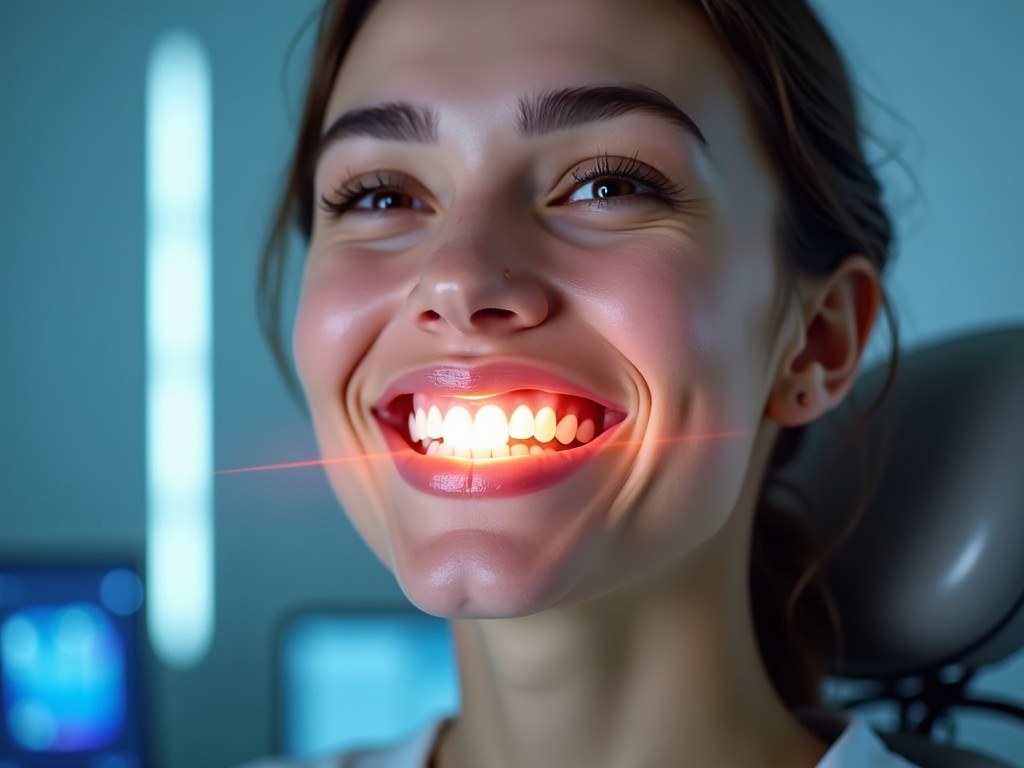
In today’s image‑driven world, a dazzling smile can open doors—whether it’s a first impression at a job interview or a confidence boost in everyday life. Traditional whitening methods often require weeks of at-home treatments or costly in‑office sessions. Enter laser teeth whitening: a cutting‑edge, minimally invasive procedure that delivers instant, long‑lasting results. This article explores how laser whitening works, who can benefit, the procedure’s pros and cons, and practical tips for maintaining that radiant grin.
What Is Laser Teeth Whitening?
Laser teeth whitening is a cosmetic dental treatment that uses a specialized light source—usually a low‑power laser—to activate a whitening gel containing hydrogen peroxide. Unlike surface‑only bleaching, the laser penetrates the enamel and dentin layers, targeting deeper stains caused by aging, medication, or lifestyle habits. The result is a noticeably brighter, more uniform tooth color achieved in a single, short appointment.
Who Is a Good Candidate?
While laser whitening is popular, it’s not suitable for everyone. A thorough dental exam is essential to determine the best approach. Typical candidates include:
- Adults with healthy, non‑decayed teeth and gums.
- Individuals seeking a quick, dramatic improvement in tooth color.
- Patients who prefer an in‑office, professional treatment over at‑home kits.
- Those who have tried other whitening methods without satisfactory results.
Contraindications may involve:
- Pregnancy or nursing mothers.
- Severe tooth sensitivity or enamel erosion.
- Active gum disease or untreated cavities.
- Recent dental restorations (crowns, veneers) that may not respond to bleaching.
How Is Laser Whitening Performed?
The procedure typically follows these steps:
- Initial Consultation: Your dentist evaluates tooth health, discusses expectations, and selects the appropriate gel concentration (usually 25–40% hydrogen peroxide).
- Protection Measures: Custom mouth guards shield the lips and gums, while a protective gel is applied to the soft tissues.
- Gel Application: The whitening gel is carefully spread over each tooth surface.
- Laser Activation: A low‑power laser is directed at the teeth, accelerating the breakdown of the peroxide and enhancing the bleaching effect.
- Post‑Treatment Care: Your dentist may recommend a desensitizing rinse or fluoride treatment to soothe any temporary sensitivity.
Most sessions last less than an hour, and patients often notice a visible improvement after the first appointment.
Benefits of Laser Teeth Whitening
- Speed: Immediate results—often within a single visit.
- Effectiveness: Capable of removing stubborn stains that other methods cannot.
- Minimal Invasiveness: No drilling or enamel removal required.
- Long‑Lasting: With proper oral hygiene, effects can last from 6 months to 2 years.
- Safety: When performed by a qualified dentist, the risk of complications is low.
Potential Drawbacks and How to Mitigate Them
- Temporary Sensitivity: Some patients experience mild tooth sensitivity or gum irritation post‑treatment. This usually resolves within a few days with desensitizing products.
- Maintenance: To preserve results, avoid staining foods and drinks (coffee, red wine, tobacco) and maintain regular dental check‑ups.
- Cost: In‑office laser whitening can be pricier than at‑home kits, but the convenience and speed often justify the expense.
- Professional Supervision Required: DIY laser whitening devices are not recommended; improper use can damage enamel or cause gum injury.
Frequently Asked Questions
Is laser teeth whitening safe?
Yes—when performed by a licensed dentist using approved equipment and protective measures, laser whitening is considered safe. The procedure is non‑invasive and does not alter tooth structure.
How long does the effect last?
Results can last anywhere from 6 months to 2 years, depending on your oral habits and hygiene practices. Regular brushing, flossing, and periodic touch‑up treatments can extend the brightness.
Can I combine laser whitening with other cosmetic procedures?
Absolutely. Many patients pair laser whitening with veneers, crowns, or orthodontic treatments to achieve a comprehensive smile makeover.
What should I avoid after the procedure?
Limit consumption of staining foods and beverages for at least 24–48 hours. Avoid smoking and use a soft‑bristle toothbrush to protect the newly whitened enamel.
Conclusion
Laser teeth whitening offers a fast, effective, and professional way to brighten your smile. By leveraging advanced light technology, dentists can target deep‑seated stains without compromising tooth integrity. If you’re looking for a noticeable, long‑lasting improvement, consult your dentist to determine whether laser whitening is the right choice for you. With proper care, your sparkling teeth can become a lasting source of confidence and pride.
Considering treatment in Türkiye?
Get a free consultation and cost estimate from verified specialists.