
Colorectal Cancer: Early Detection, Mediterranean Diet, and the Rise of Robotic Surgery
Colorectal cancer (CRC) is often called the silent killer because it progresses quietly, rarely showing symptoms until it’s advanced. Yet, the good news is that it is highly preventable and treatable when caught early. In this post, we’ll explore why screening is essential, how lifestyle choices—especially the Mediterranean diet—can lower your risk, and how cutting‑edge robotic surgery is changing the treatment landscape.
Understanding Colorectal Cancer
Silent Progression and Risk Factors
CRC typically develops from benign growths called polyps. About 95% of colorectal cancers arise from these polyps, which can remain dormant for years. Risk factors include age (most cases occur after 50), family history, inflammatory bowel disease, obesity, smoking, excessive alcohol, and a diet high in processed meats and refined sugars.
The Role of Lifestyle and Environment
Modern life exposes us to a range of carcinogens—from radiation emitted by cell towers to chemicals in processed foods and even in our clothing. These exposures, combined with sedentary habits, create a perfect storm that fuels cancer development. The key is to counterbalance these risks with proactive health measures.
Why Screening Matters
Types of Screening Tests
- Fecal Immunochemical Test (FIT): Detects hidden blood in stool.
- Colonoscopy: Gold standard—allows direct visualization and removal of polyps.
- CT Colonography: A virtual colonoscopy using CT imaging.
- Flexible Sigmoidoscopy: Examines the lower part of the colon.
When to Start Screening
Guidelines recommend that individuals at average risk begin colonoscopy at age 45. If you have a family history or other risk factors, start earlier—often at 40 or even 35. Once you’ve had a colonoscopy, repeat it every 5–10 years depending on findings.
Lifestyle Strategies to Reduce Risk
Mediterranean Diet
Studies show that populations following a Mediterranean diet—rich in fruits, vegetables, whole grains, legumes, nuts, olive oil, and moderate fish—have a significantly lower incidence of CRC. The high fiber content helps bulk stool, reducing transit time and exposure of the colon lining to carcinogens.
Physical Activity and Weight Management
- Engage in at least 150 minutes of moderate aerobic activity per week.
- Incorporate strength training twice a week.
- Maintain a healthy BMI (18.5–24.9).
Avoiding Carcinogens
- Quit smoking and avoid secondhand smoke.
- Limit alcohol to no more than one drink per day.
- Choose fresh, unprocessed foods over canned or packaged items.
- Use protective gear when exposed to industrial chemicals.
Advances in Surgical Treatment
Minimal Invasive Laparoscopic Surgery
Laparoscopy uses tiny incisions (0.5–1 cm) and a camera to perform colon resections. Benefits include less postoperative pain, shorter hospital stays, faster recovery, and superior cosmetic outcomes compared to open surgery.
Robotic Surgery: Benefits and Limitations
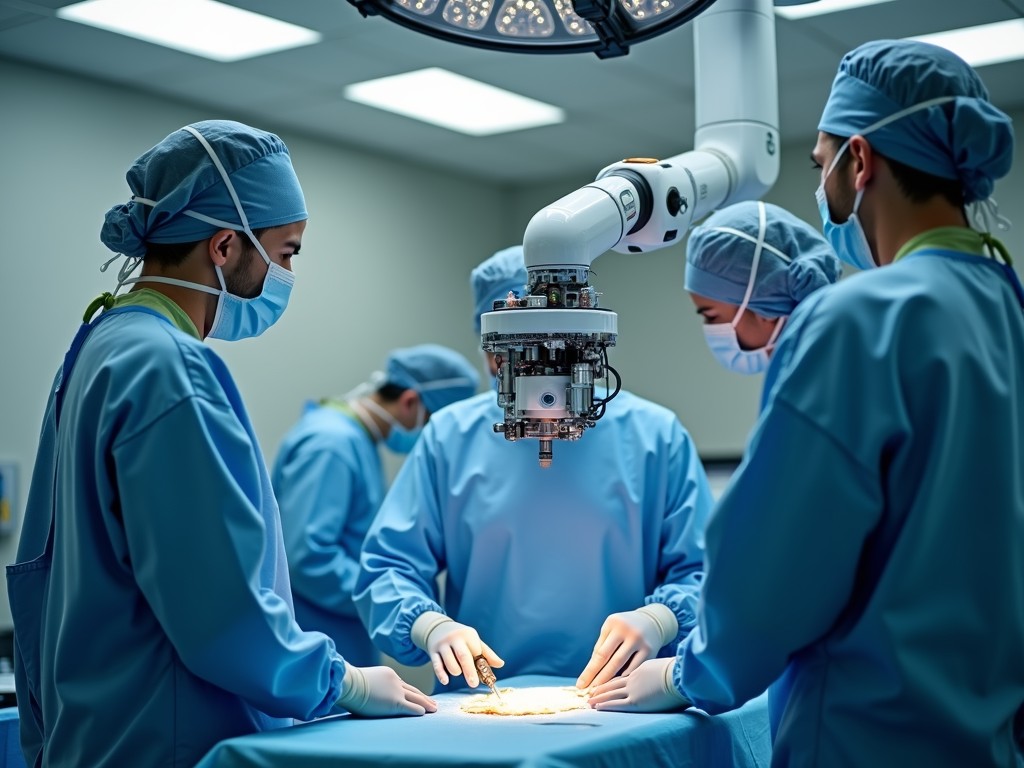
Robotic systems build on laparoscopic principles but offer enhanced precision, 3‑D visualization, and articulated instruments that mimic wrist movements. Advantages include:
- Improved dexterity for complex resections.
- Reduced surgeon fatigue.
- Potentially lower conversion rates to open surgery.
However, robotic surgery requires specialized training, is costlier, and is currently available only in select centers. Nonetheless, for many patients, it represents the future of colorectal cancer surgery.
Frequently Asked Questions
How often should I get a colonoscopy?
For average‑risk adults, every 10 years after a normal colonoscopy. If polyps are found, repeat colonoscopy may be needed sooner—often every 3–5 years.
Is robotic surgery safe?
Yes. Clinical trials show comparable or better outcomes than traditional laparoscopy, with low complication rates. As with any surgery, outcomes depend on surgeon experience and patient selection.
Can diet really prevent colorectal cancer?
Evidence supports that a high‑fiber, plant‑based diet reduces CRC risk by up to 30%. While diet alone cannot guarantee prevention, it is a powerful tool when combined with screening and healthy habits.
Take Action Today
Don’t wait for symptoms to appear. Schedule your first colonoscopy if you’re over 45, or sooner if you have risk factors. Adopt a Mediterranean‑style diet, stay active, and avoid known carcinogens. If you’re a candidate for surgery, discuss minimally invasive or robotic options with your surgeon. Early detection and modern treatment give you the best chance for a full recovery.
Remember: colorectal cancer is preventable and treatable. By staying informed and proactive, you can protect yourself and your loved ones from this silent threat.
Considering treatment in Türkiye?
Get a free consultation and cost estimate from verified specialists.