
BBL Laser (IPL) Skin Rejuvenation: How It Works, Benefits, and Aftercare
Introduction
As we age, our skin undergoes visible changes—fine lines, wrinkles, sagging, and discoloration. While these signs of aging are natural, modern dermatology offers powerful solutions to restore a youthful glow. One of the most popular and versatile treatments is the BBL laser, also known as Intense Pulsed Light (IPL). In this guide, we’ll explore what BBL/IPL is, how it works, its key benefits, and practical tips for a successful treatment.
What Is BBL Laser (IPL) Technology?
BBL stands for BroadBand Light, a form of Intense Pulsed Light (IPL) that delivers high‑intensity, short‑duration light pulses across a wide spectrum (400–1200 nm). Unlike traditional lasers that emit a single wavelength, IPL uses multiple wavelengths filtered to target specific skin concerns. This flexibility allows clinicians to treat a variety of conditions—from pigmentation and rosacea to acne and vascular lesions—within a single session.
Key Features of BBL/IPL
- Wide‑band spectrum for multi‑target treatment.
- High‑energy pulses that penetrate deep into the dermis.
- Customizable filters and handpieces for precise wavelength selection.
- Fast treatment times (often 15–30 minutes per session).
- Minimal downtime compared to surgical procedures.
Common Skin Conditions Treated with BBL/IPL
BBL/IPL is a versatile tool in dermatology. Here are the most common indications:
- Age‑related skin changes – fine lines, wrinkles, and loss of elasticity.
- Pigmentation disorders – sun spots, melasma, age spots, and post‑inflammatory hyperpigmentation.
- Vascular lesions – rosacea, telangiectasia, and broken capillaries.
- Acne and acne scars – active lesions and post‑acne hyperpigmentation.
- Skin texture and tone irregularities – roughness, uneven tone, and mild scarring.
How Does BBL/IPL Work?
The mechanism of action is based on
Step‑by‑Step Treatment Process
- Consultation – The dermatologist evaluates skin type, concerns, and medical history.
- Preparation – The treatment area is cleansed; a cooling gel or cryogen spray may be applied to reduce discomfort.
- Device Settings – Filters and handpieces are selected based on the specific condition (e.g., 500–600 nm for pigmentation, 600–800 nm for vascular lesions).
- Light Delivery – Pulses are delivered in a controlled pattern; each pulse lasts a few milliseconds.
- Post‑Treatment Care – Patients receive instructions on sun protection, moisturization, and any topical medications.
What to Expect During and After Treatment
During the Session
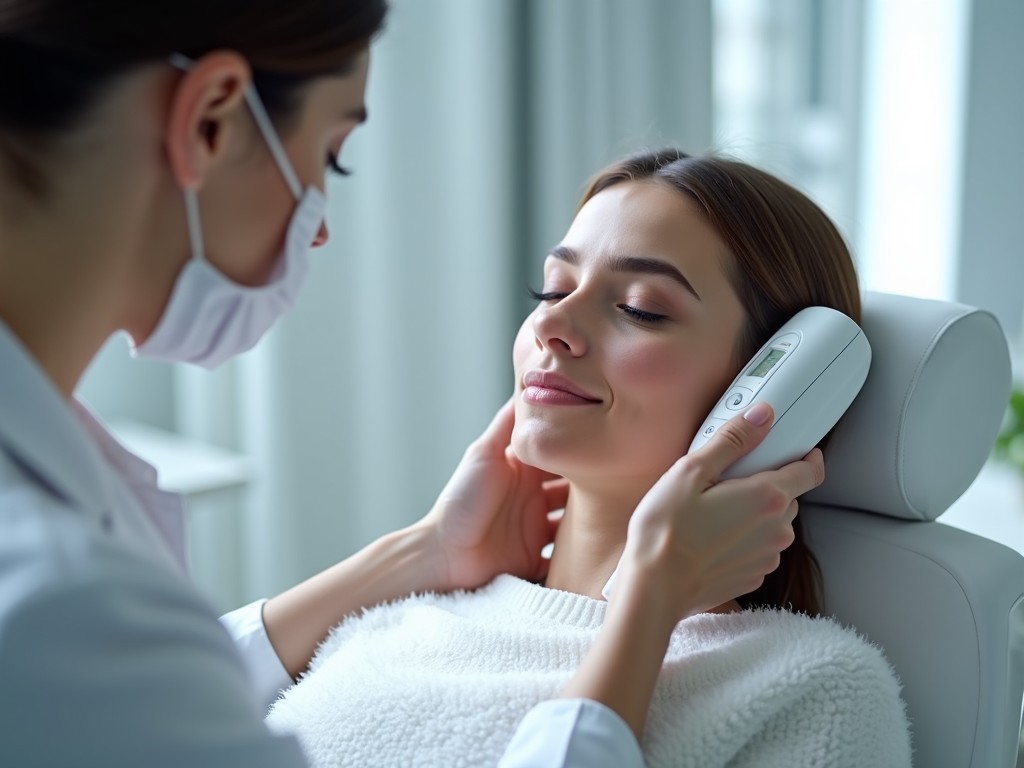
Most patients describe a mild warming sensation or a brief “snap” feeling. The procedure is generally painless, but some individuals may experience mild discomfort, especially if they have a low pain threshold. Topical anesthetic creams can be used if necessary.
Immediate Aftercare
- Apply a soothing gel or ointment to calm the skin.
- Avoid direct sun exposure for at least 48 hours.
- Use broad‑spectrum SPF 30+ sunscreen daily.
- Refrain from using harsh exfoliants or retinoids for the first week.
Visible Results Timeline
- First 24–48 hours – Mild redness and possible slight swelling.
- 3–7 days – Skin may peel or flake as the treated cells shed.
- 2–4 weeks – Noticeable improvement in pigmentation, redness, and texture.
- 3–6 months – Full results as collagen remodeling continues.
Frequently Asked Questions (FAQs)
1. How many sessions are needed?
Typically, 3–5 sessions spaced 3–4 weeks apart yield optimal results. The exact number depends on skin type, severity of concerns, and individual response.
2. Is BBL/IPL safe for all skin types?
While IPL is effective for many skin types, it is less suitable for very dark skin tones (Fitzpatrick IV–VI) due to higher melanin absorption. Modern devices with adjustable filters and cooling systems have expanded safety, but a professional assessment is essential.
3. What’s the difference between IPL and laser?
IPL uses a broad spectrum of light and is filtered to target specific chromophores, whereas lasers emit a single wavelength. IPL is generally gentler, covers larger areas, and is versatile for multiple concerns.
4. Can I combine IPL with other treatments?
Yes. IPL can be combined with chemical peels, microneedling, or topical retinoids for enhanced results. Always consult your dermatologist before combining therapies.
Choosing the Right Clinic
When selecting a provider for BBL/IPL, consider:
- Experience and credentials of the dermatologist.
- State‑of‑the‑art equipment and safety protocols.
- Patient testimonials and before/after galleries.
- Clear communication of treatment plans, costs, and aftercare.
Conclusion
BBL laser (IPL) technology offers a non‑invasive, versatile solution for a wide range of skin concerns—from aging and pigmentation to vascular lesions and acne. By harnessing the power of selective photothermolysis, clinicians can achieve lasting improvements with minimal downtime. If you’re looking to rejuvenate your skin, consult a qualified dermatologist to determine whether BBL/IPL is the right choice for you.
Considering treatment in Türkiye?
Get a free consultation and cost estimate from verified specialists.