
Brain Shrinkage Explained: Causes, Symptoms, and How to Protect Your Cognitive Health
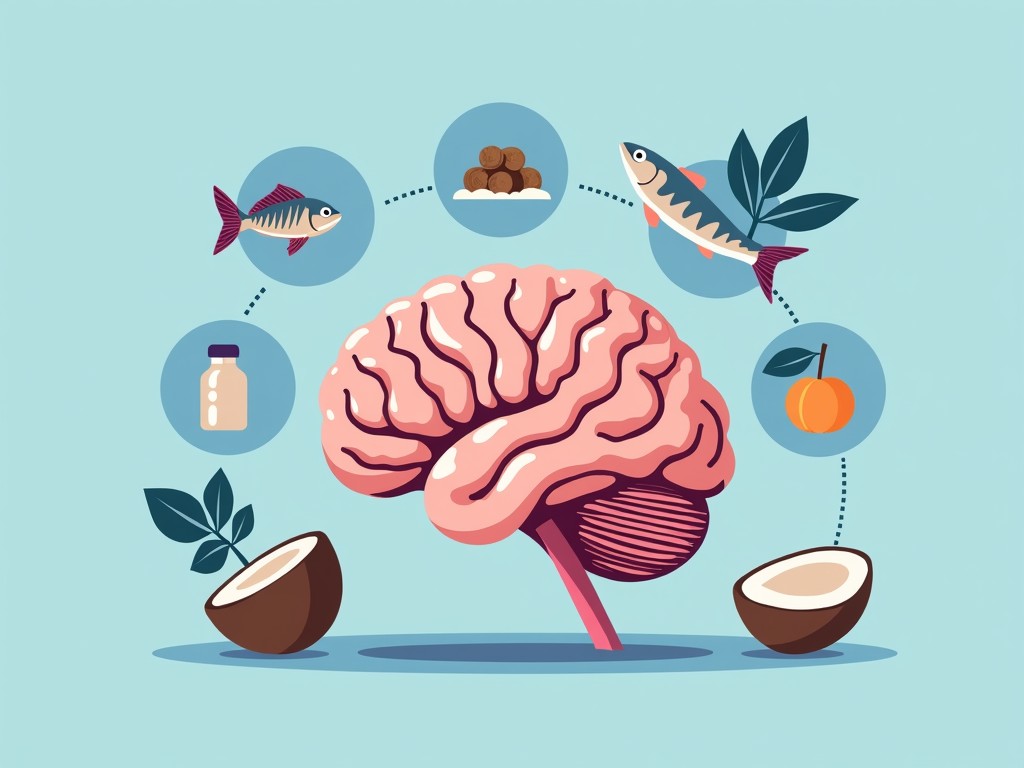
Brain shrinkage, also known as brain atrophy, is a growing concern for people of all ages. Whether it’s the subtle memory lapses after a long day or the sudden confusion that feels like a fog, the signs can be alarming. In this guide, we break down what brain shrinkage really means, why it happens, the real-world consequences, and practical steps you can take to safeguard your brain—especially in the post‑COVID era.
What Is Brain Shrinkage?
Brain shrinkage refers to the loss of brain tissue, particularly in memory‑related regions such as the hippocampus. When neurons die or lose connections, the affected areas shrink, leading to a decline in cognitive function. The brain’s plasticity means that unused or damaged tissue can atrophy over time, especially if the brain is exposed to chronic stress, inflammation, or insufficient oxygen.
Common Causes of Brain Atrophy
- Inflammation and Infection: Viral infections like COVID‑19 can trigger a cytokine storm, damaging neurons.
- Vascular Issues: Reduced blood flow or micro‑bleeds limit oxygen and nutrients.
- Chronic Stress: Elevated cortisol levels can accelerate neuronal loss.
- Nutrient Deficiencies: Lack of B1 (thiamine), zinc, omega‑3 fatty acids, and other essential nutrients weakens brain resilience.
- Alcohol and Substance Abuse: These can directly damage brain tissue.
- Sleep Disorders: Conditions like sleep apnea impair memory consolidation.
Recognizing the Symptoms
Brain shrinkage often manifests as a cluster of cognitive and behavioral changes. Pay attention to these red flags:
- Sudden forgetfulness or difficulty concentrating.
- Disorganized thoughts and trouble following conversations.
- Decision‑making challenges and increased frustration.
- Misplacing items or losing track of everyday objects.
- Persistent fatigue, mood swings, and irritability.
- Sleep disturbances—difficulty falling asleep or frequent awakenings.
Short‑Term vs. Long‑Term Consequences
In the short term, brain atrophy can lead to:
- Memory lapses and “brain fog.”
- Reduced multitasking ability.
- Increased risk of accidents due to impaired judgment.
Long‑term effects may include:
- Higher risk of Alzheimer’s disease and other dementias.
- Persistent cognitive decline that interferes with daily life.
- Compromised emotional regulation and social withdrawal.
Protecting Your Brain: Nutritional and Lifestyle Strategies
1. B1 (Thiamine) – The Energy Guardian
Thiamine protects neuronal mitochondria from oxidative damage. Deficiency can lead to memory loss, gait problems, and confusion. Aim for 1.2 mg/day for men and 1.1 mg/day for women. Rich sources: pork, beans, nuts, and fortified cereals.
2. Zinc – The Memory Modulator
Zinc is concentrated in the hippocampus and supports synaptic plasticity. Low levels correlate with cognitive decline. Daily intake: 11 mg for men, 8 mg for women. Foods: oysters, beef, pumpkin seeds, and legumes.
3. Omega‑3 Fatty Acids (DHA & EPA) – The Anti‑Inflammatory Shield
Omega‑3s reduce neuroinflammation and support neuronal membrane integrity. Recommended dose: 250–500 mg combined EPA/DHA per day. Sources: fatty fish (salmon, sardines), flaxseed oil, and algae supplements.
4. Medium‑Chain Triglycerides (MCTs) – The Quick‑Fuel Brain
MCTs convert to ketones, providing an efficient energy source for neurons and reducing oxidative stress. Add 1–2 tablespoons of coconut oil or MCT oil to smoothies or coffee.
5. Sleep Hygiene – The Restorative Reset
Sleep apnea and poor sleep quality exacerbate cognitive decline. Use CPAP therapy if diagnosed, maintain a consistent bedtime routine, and limit screen time before bed.
6. MIND Diet – The Cognitive Powerhouse
The MIND diet blends Mediterranean and DASH principles, emphasizing leafy greens, berries, nuts, whole grains, and olive oil. Studies show a 53% reduction in Alzheimer’s risk with strict adherence.
Practical Daily Checklist
- Take a multivitamin with B1, zinc, and omega‑3s.
- Include a serving of fatty fish or a fish oil supplement twice a week.
- Swap refined carbs for whole grains and add a handful of nuts daily.
- Drink at least 8 cups of water and limit sugary beverages.
- Exercise 30 minutes of moderate activity most days.
- Practice mindfulness or meditation to reduce cortisol.
- Schedule a yearly brain health check‑up if you have risk factors.
Frequently Asked Questions
Q: Can brain shrinkage be reversed?
While complete reversal is unlikely, slowing or halting progression is possible with lifestyle changes, proper nutrition, and medical management of underlying conditions.
Q: Is brain atrophy only a concern for the elderly?
No. Younger adults can experience atrophy due to chronic stress, substance abuse, or severe infections like COVID‑19.
Q: How does COVID‑19 specifically affect brain health?
COVID‑19 can cause a cytokine storm that inflames brain tissue, disrupts sleep patterns, and leads to “brain fog.” Adequate thiamine and omega‑3 intake may mitigate these effects.
Conclusion
Brain shrinkage is a silent threat that can manifest as everyday forgetfulness or severe cognitive decline. By understanding its causes, recognizing early symptoms, and adopting a brain‑friendly diet and lifestyle, you can protect your mental sharpness for years to come. Start today—your future self will thank you.
Considering treatment in Türkiye?
Get a free consultation and cost estimate from verified specialists.