
Breathe Easy Again: The Ultimate Septoplasty Guide for Nasal Septum Deviation
Imagine waking up every morning feeling refreshed, without the constant urge to breathe through your mouth or the nagging sound of snoring. For millions of people, this dream is a reality after a successful septoplasty – a surgical procedure that corrects a deviated nasal septum. In this comprehensive guide, we’ll walk you through the causes, symptoms, surgical options, recovery process, and long‑term benefits of septoplasty, so you can decide if it’s the right solution for your breathing problems.
What Is a Deviated Nasal Septum?
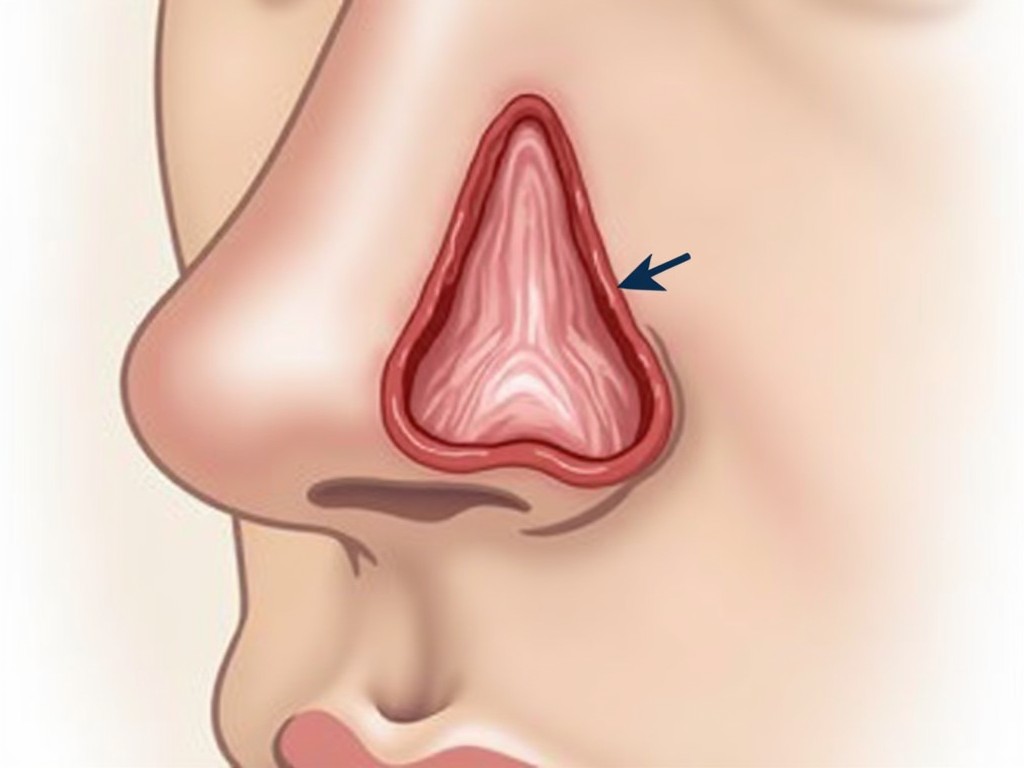
The nasal septum is the wall that divides the two nostrils. It is made of bone and cartilage. A deviated septum occurs when this wall is displaced to one side, narrowing one or both nasal passages. While many people have a slight deviation, a severe one can block airflow, leading to chronic congestion, mouth breathing, snoring, and even sleep apnea.
Common Causes
- Congenital factors: Developmental changes in the womb or birth trauma can set the stage for a crooked septum.
- Traumatic injury: A blow to the nose during childhood or adulthood can shift the septum permanently.
- Growth patterns: The cartilage and bone grow at different rates, sometimes causing the septum to drift.
Key Symptoms to Watch For
Recognizing the signs early can prevent complications. Look out for:
- Persistent nasal congestion that changes with head position.
- Frequent mouth breathing, especially at night.
- Snoring or witnessed pauses in breathing during sleep.
- Repeated sinus infections or facial pain.
- Frequent nosebleeds and dry, irritated nasal lining.
Why Septoplasty Is the Gold Standard
Septoplasty is a minimally invasive, highly effective surgery that realigns the septum to the center of the nasal cavity. Modern techniques, including endoscopic approaches, allow surgeons to correct even complex deviations with precision and minimal scarring.
What the Procedure Involves
During the operation, the surgeon:
- Creates a small incision inside the nostril.
- Elevates the mucosal lining to expose the cartilage and bone.
- Reshapes or removes the deviated portions.
- Repositions the septum to the midline and secures it with sutures or splints.
- Optionally performs a conchoplasty to reduce enlarged turbinates that may still obstruct airflow.
The procedure typically lasts 30 minutes to 1.5 hours and is performed under general or local anesthesia with sedation. Because the incisions are inside the nose, there are no visible external scars.
Pre‑Surgery Preparation
Proper preparation maximizes safety and outcomes:
- Undergo a full medical evaluation, including blood tests and imaging if needed.
- Discontinue blood thinners, aspirin, ibuprofen, and herbal supplements at least 2 weeks before surgery.
- Avoid smoking and alcohol for at least 4 weeks.
- Follow fasting instructions – no food or drink 8 hours before anesthesia.
- Discuss any medications or allergies with your surgeon.
Recovery: What to Expect
Most patients are discharged the same day or the next. Key points during the first 48 hours:
- Use cold compresses on the face to reduce swelling.
- Take prescribed pain medication as directed.
- Keep your head elevated while sleeping.
- Avoid blowing your nose or sneezing forcefully.
After the first week, you can resume light activities, but heavy lifting and strenuous exercise should be avoided for at least 2 weeks. Nasal saline rinses help keep the mucosa moist and clear of crusts. Splints or nasal packs are usually removed after 5–7 days, after which you’ll notice a significant improvement in airflow, though full healing may take 3–6 months.
Long‑Term Benefits
Septoplasty offers more than just clearer breathing:
- Reduced snoring and lower risk of sleep apnea.
- Fewer sinus infections and less facial pain.
- Improved oxygenation, leading to better daytime alertness and athletic performance.
- Enhanced quality of life and confidence.
Frequently Asked Questions
When is the best age for septoplasty?
Ideally after the nasal bones and cartilage have matured, usually around 17–18 years old. In severe cases that affect breathing or growth, earlier intervention may be considered under specialist guidance.
Will my nose look different after surgery?
Septoplasty focuses on function, not aesthetics. Minor changes in shape may occur, but the primary goal is to improve airflow. If you also desire a cosmetic change, a combined septorhinoplasty can be performed.
How long does the recovery take?
Initial recovery is quick – most patients return to normal activities within 1–2 weeks. Full healing of the nasal tissues can take up to 6 months, during which time you may still experience mild congestion.
Is septoplasty safe?
Yes. It is one of the most common ENT procedures with a low complication rate. Risks include infection, bleeding, or a minor change in nasal shape, all of which are rare and usually manageable.
Conclusion
Chronic nasal congestion, mouth breathing, and snoring can significantly diminish your quality of life. A deviated septum is often the root cause, and septoplasty offers a reliable, safe, and lasting solution. By understanding the procedure, preparing properly, and following post‑operative care, you can breathe easier, sleep better, and reclaim the vitality you deserve.
Ready to take the first step toward a clearer, healthier you? Consult a qualified ENT specialist today and explore whether septoplasty is the right choice for your breathing problems.
Considering treatment in Türkiye?
Get a free consultation and cost estimate from verified specialists.