
Does Cervical Disc Herniation Recur After Nucleoplasty? Expert Insights & Prevention Tips
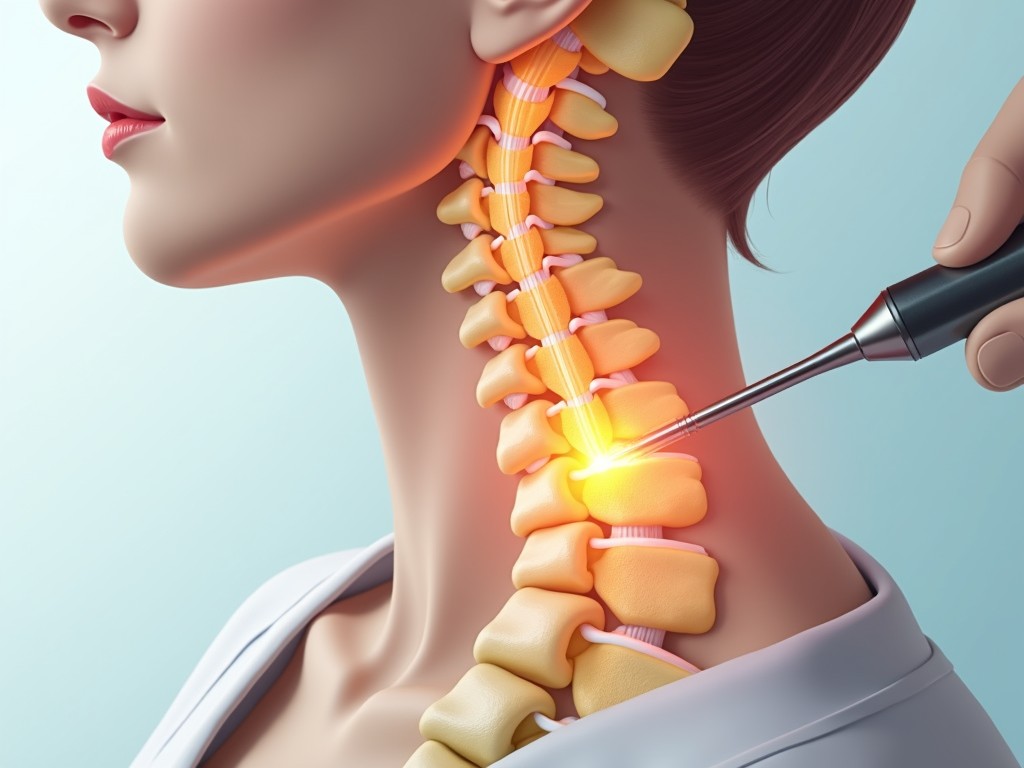
Are you worried that your cervical disc herniation might return after a nucleoplasty? Many patients share this concern, especially after hearing about the high success rates of minimally invasive spine procedures. In this article, we break down the science behind nucleoplasty, explain why recurrence is rare, and give you practical steps to keep your neck pain-free for the long term.
What Is Nucleoplasty and How Does It Work?
Nucleoplasty is a minimally invasive technique used to treat cervical disc herniation. Unlike traditional surgery, it does not involve large incisions or removal of disc material. Instead, a specialized needle equipped with radiofrequency energy is inserted into the affected disc. The energy vaporizes a small portion of the inner nucleus pulposus, reducing the disc’s internal pressure and relieving nerve root compression.
Key benefits:
- Preserves the natural disc structure
- Short recovery time – many patients return home the same day
- Low risk of complications compared to open surgery
Why Is Recurrence Rare After Nucleoplasty?
Several factors contribute to the low recurrence rate:
- Disc Integrity Maintained – The procedure removes only the problematic portion of the disc, leaving the surrounding tissue intact.
- Reduced Intradiscal Pressure – By vaporizing excess material, the disc’s pressure is lowered, decreasing the likelihood of a new herniation at the same level.
- Minimal Tissue Trauma – No large cuts or muscle detachment means the spine’s natural healing mechanisms can work more effectively.
- Evidence-Based Outcomes – Clinical studies show recurrence rates below 5% for properly selected patients.
Patient Story: From Chronic Pain to Freedom
Meet Mehmet, a 40‑year‑old office worker who had been battling neck pain for six months. An MRI revealed a C5‑C6 disc herniation. After a thorough evaluation, his surgeon recommended nucleoplasty. Within a week, Mehmet reported a dramatic reduction in pain, and by the third week, the pain had disappeared entirely. Six months later, he was back to his regular routine without any recurrence of symptoms.
How to Prevent Recurrence After Nucleoplasty
While the procedure itself significantly lowers recurrence risk, lifestyle and posture play a crucial role in maintaining long-term relief. Here are evidence-backed strategies:
- Ergonomic Workspace – Keep your monitor at eye level, use a supportive chair, and avoid prolonged forward head posture.
- Phone Use – Hold the phone at eye level instead of cradling it in your hand.
- Regular Neck Exercises – Perform gentle stretches and strengthening exercises at least twice a week.
- Posture Awareness – Sit upright, pull shoulders back, and keep the neck in a neutral position.
- Limit Heavy Lifting – Avoid sudden, forceful movements that strain the cervical spine.
When to Seek Follow-Up Care
Most patients experience significant relief within 2–3 weeks. However, if you notice:
- Persistent or worsening pain after 4 weeks
- New neurological symptoms (e.g., numbness, tingling)
- Difficulty moving the neck or shoulder
Schedule a follow-up appointment. Early intervention can prevent complications and ensure optimal outcomes.
Frequently Asked Questions (FAQ)
- 1. Does nucleoplasty completely eliminate the risk of recurrence?
- No procedure can guarantee 100% prevention, but nucleoplasty dramatically reduces the risk when performed on suitable candidates.
- 2. Can I resume sports after nucleoplasty?
- Light activities can usually resume in 2–3 weeks. High-impact or contact sports should be avoided until cleared by your surgeon.
- 3. How long does the recovery period last?
- Most patients return to normal activities within 3–5 days, though full healing may take a few weeks.
- 4. What if a new herniation occurs at a different level?
- It’s possible if overall spinal health isn’t maintained. A second nucleoplasty or alternative treatment may be considered.
- 5. Is nucleoplasty covered by insurance?
- Coverage varies by provider and region. Consult your insurer and discuss with your surgeon.
Conclusion
For patients with cervical disc herniation, nucleoplasty offers a safe, effective, and minimally invasive solution that significantly lowers the chance of recurrence. By combining the procedure with mindful posture, ergonomic habits, and regular neck exercises, you can enjoy lasting relief and reduce the likelihood of future problems. If you’re experiencing neck pain, schedule a consultation with a spine specialist to determine whether nucleoplasty is the right choice for you.
Considering treatment in Türkiye?
Get a free consultation and cost estimate from verified specialists.