
Foot Size Reduction Surgery: What You Need to Know About Foot Esthetics, Function, and Risks
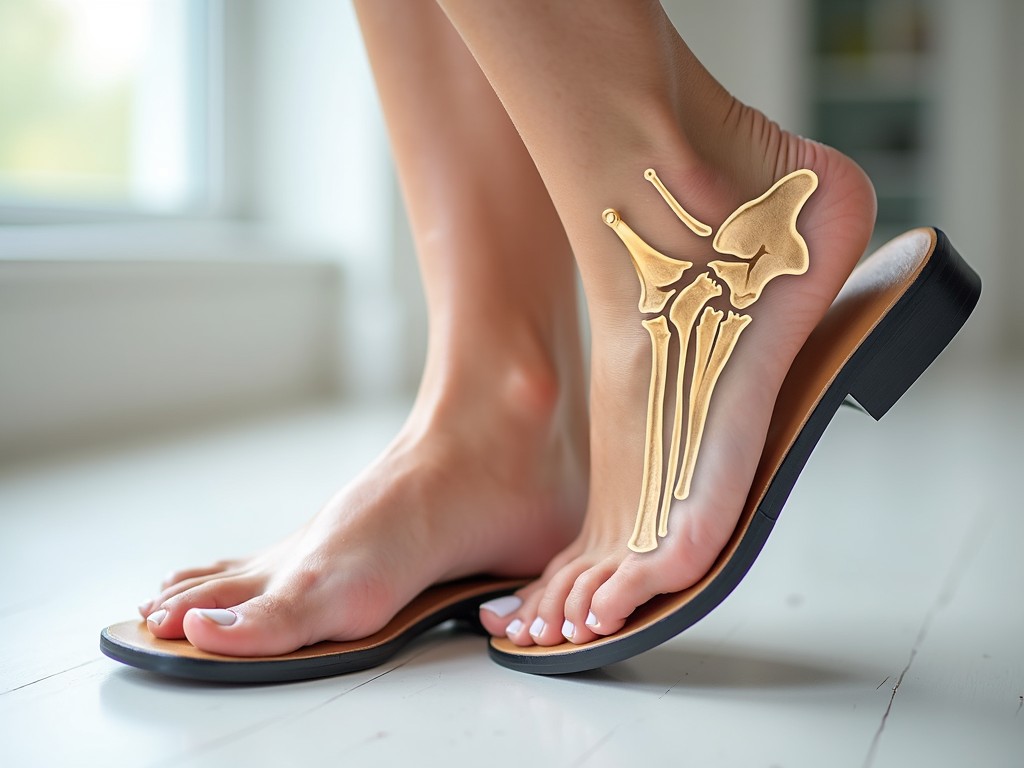
Ever felt self‑conscious about the size of your feet? Whether you’re struggling to find the right shoe size or simply want a more balanced look, foot size reduction surgery has become a popular solution. In this guide we’ll explore the science behind foot size, why people opt for surgery, the different surgical techniques, recovery expectations, and the risks involved. By the end, you’ll have a clear picture of whether this procedure is right for you.
What Is Foot Size Reduction Surgery?
Foot size reduction surgery is not a simple “cutting down” of the foot. Instead, it focuses on correcting deformities that make the foot appear larger or wider. The goal is to restore normal anatomy, relieve pain, and improve shoe fit. The most common procedures include:
- Metatarsal Osteotomy (Hallux Valgus Correction) – Shortening or realigning the metatarsal bone to reduce the “metatarsal hump.”
- Toe Shortening and Realignment – Removing a small portion of the toe phalanx to correct over‑long toes or hammer toes.
- Metatarsal Head Resection – Removing the tip of the metatarsal head to narrow the forefoot.
- Soft‑tissue Release – Tightening or releasing ligaments and tendons that cause the foot to widen.
Why Do People Consider Foot Size Reduction?
Common motivations include:
- Difficulty finding shoes that fit comfortably.
- Visible foot deformities that affect self‑confidence.
- Chronic pain or callus formation caused by a wide or over‑long foot.
- Desire for a more proportionate appearance in high‑heeled or narrow‑toe shoes.
Can Foot Size Change Naturally?
Foot size is largely determined by bone length, which is fixed after skeletal maturity (around 18–20 years old). However, certain factors can temporarily alter foot width or shape:
- Pregnancy hormones can loosen ligaments, causing the arch to flatten and the foot to widen.
- Weight gain increases fat pads and puts extra pressure on the foot, making it appear larger.
- Weight loss may reduce fat pads and slightly decrease foot circumference, but the bone length remains unchanged.
Non‑surgical methods such as stretching, massage, or specialized footwear cannot shorten the bones. Therefore, if a structural deformity is present, surgery is the only definitive solution.
How Is Foot Size Reduction Surgery Performed?
Pre‑operative Planning
Every case begins with a thorough orthopedic evaluation, including X‑rays, gait analysis, and a discussion of the patient’s goals. The surgeon then creates a personalized surgical plan that balances cosmetic improvement with functional preservation.
Common Surgical Techniques
- Metatarsal Osteotomy – A small cut is made in the metatarsal bone, and the bone is repositioned to reduce the width of the forefoot.
- Toe Shortening (Phalanx Resection) – A segment of the toe bone is removed, and the toe is re‑sized to match the adjacent toes.
- Soft‑tissue Release – Ligaments or tendons that pull the foot outward are released or tightened to narrow the foot.
Recovery Timeline
- 0–2 weeks – Immobilization in a surgical boot; limited weight bearing.
- 2–6 weeks – Gradual increase in weight bearing; removal of stitches.
- 6–12 weeks – Full weight bearing; return to normal footwear.
- 3–12 months – Complete remodeling of the foot; final cosmetic results.
Risks and Complications
As with any surgery, foot size reduction carries potential risks:
- Infection or delayed wound healing
- Neuropraxia leading to numbness or tingling
- Hematoma or excessive bleeding
- Joint stiffness or limited range of motion
- Residual deformity or asymmetry
- Need for revision surgery in rare cases
Choosing a board‑certified orthopedic surgeon and following post‑operative instructions can significantly reduce these risks.
Patient Experiences
Below are excerpts from real patients who underwent foot size reduction surgery:
- “I struggled for years to find shoes that fit. After the surgery, I can finally wear my favorite styles without pain. The recovery was smooth, and the results exceeded my expectations.” – Maria, 34
- “The procedure was a turning point for my confidence. I now feel comfortable in high‑heeled shoes and no longer hide my feet. The surgeon’s care made the whole process reassuring.” – Aisha, 28
- “I was nervous about the surgery, but the pre‑operative briefing was thorough. Post‑op care was excellent, and I’m now able to walk without discomfort. I highly recommend it to anyone with similar concerns.” – Daniel, 42
Cost of Foot Size Reduction Surgery (2025)
Costs vary based on the complexity of the procedure, surgeon’s experience, and geographic location. Typical ranges are:
- Metatarsal osteotomy: $3,000 – $6,000
- Toe shortening: $1,500 – $3,500
- Combined procedures: $5,000 – $9,000
Insurance coverage is rare unless the surgery is medically necessary to relieve pain or correct a deformity. Always consult your provider for detailed coverage information.
Frequently Asked Questions
Will my shoe size change after surgery?
Most procedures reduce the width of the foot rather than the length. Therefore, your official shoe size may remain the same, but you’ll be able to fit into narrower or more stylish shoes comfortably.
Is foot size reduction surgery safe for older adults?
Yes, but the recovery may take longer. A comprehensive pre‑operative assessment ensures that the patient’s overall health can support surgery.
Can I wear high‑heeled shoes after recovery?
Once the foot has fully healed and you have regained strength, you can wear moderate‑height heels. However, avoid very high or excessively narrow heels, as they can stress the corrected area.
What is the typical recovery time?
Full recovery usually takes 3–12 months, depending on the procedure and individual healing rates.
Conclusion
Foot size reduction surgery offers a viable solution for those whose foot deformities limit comfort, function, or confidence. While the procedure is more complex than simple cosmetic surgery, it prioritizes both aesthetic improvement and functional restoration. If you’re considering this option, consult a qualified orthopedic surgeon to discuss your goals, evaluate your foot anatomy, and develop a personalized treatment plan. With the right care, you can step into a future where your feet feel as good as they look.
Considering treatment in Türkiye?
Get a free consultation and cost estimate from verified specialists.