
Genital Aesthetic Laser Treatments: Effectiveness, Benefits, and Patient Experience
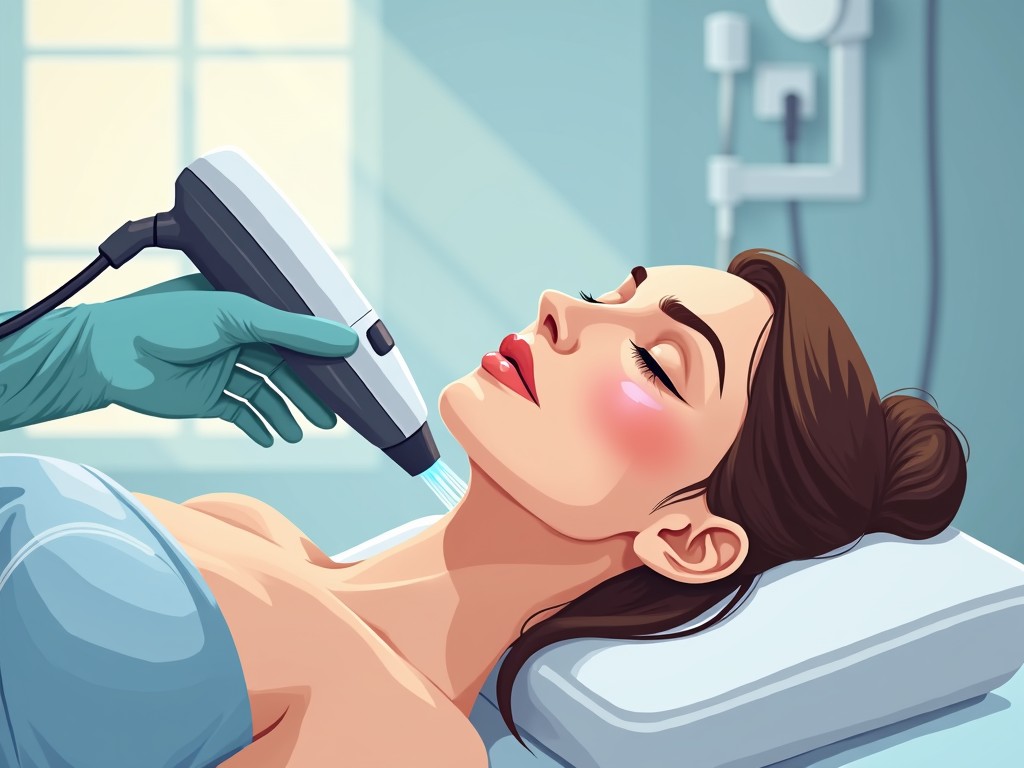
In recent years, laser technology has revolutionized the field of genital aesthetics, offering patients a minimally invasive alternative to traditional surgery. Whether you’re considering vaginal tightening, color correction, or external genital reshaping, understanding how laser treatments work, their advantages, and what to expect can help you make an informed decision. This guide dives deep into the science, benefits, and practical aspects of genital aesthetic laser procedures.
What Are Genital Aesthetic Laser Treatments?
Genital aesthetic laser treatments use focused light energy to target specific tissues in the pelvic and genital area. The laser heats the dermal layers, stimulating collagen production and promoting natural tissue remodeling without cutting or suturing. Because the energy is precisely controlled, surrounding healthy tissue remains unharmed, resulting in a safe and effective procedure.
Common Laser Procedures
- Vaginal Tightening (Vaginal Lase) – Enhances elasticity and firmness of vaginal walls.
- Color Lightening – Reduces hyperpigmentation caused by hormonal changes or aging.
- External Genital Reshaping – Improves the appearance of the labia and surrounding skin.
- Post‑partum Recovery – Supports tissue healing after childbirth.
Key Advantages of Laser Over Traditional Surgery
Laser treatments offer several compelling benefits that make them a preferred choice for many patients:
- Non‑invasive or minimally invasive – No incisions, stitches, or anesthesia required.
- Rapid recovery – Most patients return to daily activities the same day.
- Low risk of infection – The procedure is performed in a controlled, sterile environment.
- Enhanced collagen production – Leads to lasting tightening and improved skin texture.
- Versatility – Suitable for both functional and cosmetic concerns.
How Does the Laser Work?
The laser emits a specific wavelength that is absorbed by the target tissue. This absorption converts light into heat, which:
- Stimulates fibroblasts to produce new collagen.
- Promotes remodeling of the extracellular matrix.
- Reduces pigmentation by breaking down melanin granules.
Because the energy is confined to a narrow zone, the surrounding skin remains intact, minimizing scarring and downtime.
Typical Treatment Protocol
Most patients require 2–4 sessions spaced 4–6 weeks apart. The duration of each session varies:
- Vaginal tightening: 15–30 minutes.
- Color lightening: 10–20 minutes.
- External reshaping: 20–40 minutes.
Patients usually experience a mild warming sensation during the procedure and can resume normal activities immediately afterward.
Pre‑ and Post‑Treatment Care
Before the Procedure
- Maintain excellent genital hygiene.
- Avoid hormonal creams or medications that may interfere with healing.
- Discuss any medical conditions or medications with your clinician.
After the Procedure
- Keep the area clean and dry.
- Use gentle, fragrance‑free cleansers.
- Avoid strenuous exercise and sexual activity for 48–72 hours.
- Apply any prescribed topical creams as directed.
- Stay hydrated and consume a protein‑rich diet to support collagen synthesis.
Safety and Side Effects
Laser treatments are generally safe when performed by an experienced practitioner. Common, mild side effects include:
- Temporary redness or mild swelling.
- Transient discomfort or tenderness.
- Minor bruising in rare cases.
These symptoms typically resolve within a few days. Serious complications are exceedingly rare, especially when strict hygiene protocols are followed.
Is the Result Permanent?
While laser treatments produce lasting improvements, the longevity of results depends on factors such as age, hormonal status, and lifestyle. Maintaining a healthy routine—avoiding smoking, protecting skin from excessive sun exposure, and staying hydrated—can help preserve the benefits for years.
Frequently Asked Questions (FAQ)
- Q: Are laser genital treatments painful?
A: The procedure is usually painless; patients may feel a mild warmth. Any discomfort afterward can be managed with over‑the‑counter pain relief. - Q: How many sessions are needed?
A: Typically 2–4 sessions, depending on the desired outcome and individual response. - Q: Can I have laser treatment if I plan to have children?
A: Yes, but it’s advisable to discuss timing with your provider, as pregnancy may affect tissue response. - Q: What laser types are used?
A: CO₂ and Erbium lasers are common; the choice depends on the specific tissue and desired effect. - Q: Will I need anesthesia?
A: No, most procedures are performed under local anesthesia or with topical numbing agents.
Choosing the Right Practitioner
To ensure optimal results, select a board‑certified gynecologist or dermatologist with specialized training in laser aesthetics. Verify that the clinic uses FDA‑approved equipment and follows stringent sterilization protocols.
Conclusion
Genital aesthetic laser treatments represent a breakthrough in women’s health and beauty care. By combining precision technology with natural tissue healing, these procedures deliver safe, effective, and lasting results with minimal downtime. Whether you’re seeking improved vaginal tone, clearer skin, or a more harmonious appearance, laser therapy offers a modern, patient‑friendly solution. Consult a qualified specialist today to explore how laser treatment can help you regain confidence and enhance your quality of life.
Considering treatment in Türkiye?
Get a free consultation and cost estimate from verified specialists.