
Graves Disease Explained: Symptoms, Causes, Diagnosis & Treatment Strategies
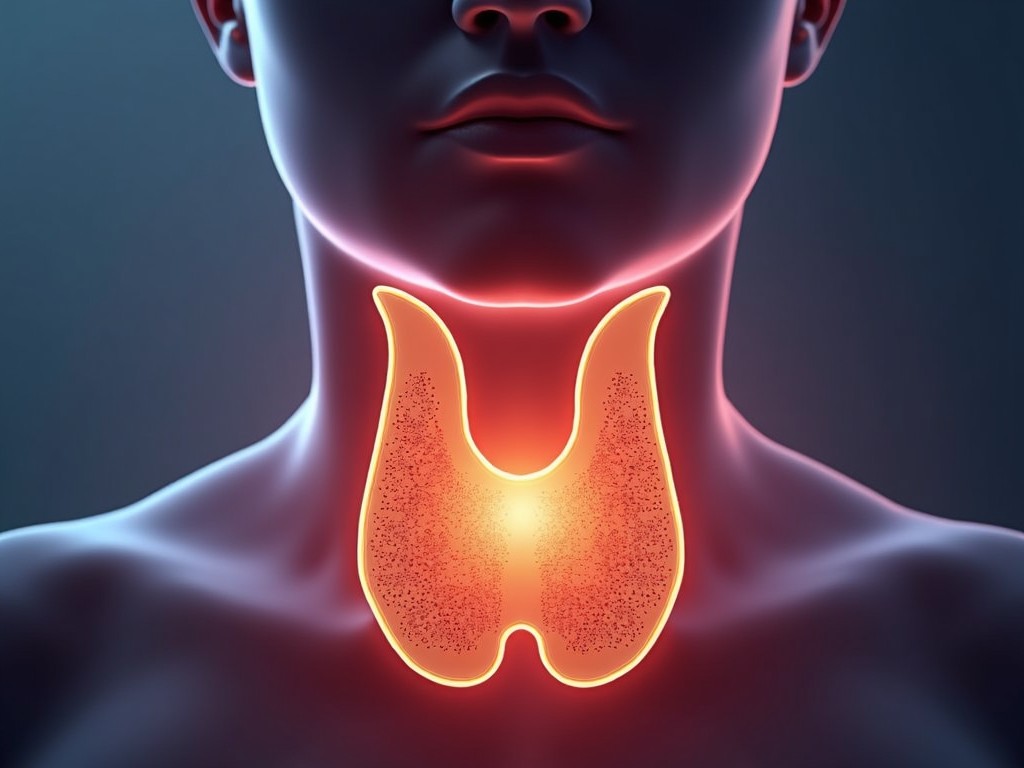
Graves disease is the most common cause of hyperthyroidism worldwide, yet many people still struggle to understand its complex nature. Whether you’re a patient, caregiver, or healthcare professional, gaining a clear, evidence‑based picture of this autoimmune thyroid disorder can transform how you manage symptoms, prevent complications, and improve quality of life. In this comprehensive guide, we break down the science behind Graves disease, outline practical diagnostic steps, and review the latest treatment options—all backed by current research and clinical best practices.
What Is Graves Disease?
Graves disease is an autoimmune condition in which the immune system mistakenly targets the thyroid gland, stimulating it to produce excessive amounts of thyroid hormones—thyroxine (T4) and triiodothyronine (T3). The resulting hyperthyroidism, often referred to as a “toxic” state, accelerates the body’s metabolism and can affect nearly every organ system.
Key Features
- Autoimmune trigger: Production of thyroid‑stimulating immunoglobulins (TSI) that bind to the TSH receptor.
- Thyroid enlargement: Often presents as a goiter, sometimes with nodules.
- Ophthalmopathy: Eye involvement (Graves ophthalmopathy) is a hallmark and can lead to bulging eyes, dryness, and in severe cases, vision loss.
- Dermatologic manifestations: Pretibial myxedema and diffuse skin thickening.
Why Does Graves Disease Occur?
While the exact trigger remains elusive, a combination of genetic predisposition and environmental factors is widely accepted. The following elements are frequently implicated:
- Family history of autoimmune thyroid disease.
- Female sex hormones—estrogen may amplify immune responses.
- Stress and infections that can activate dormant autoreactive T cells.
- Smoking—nicotine induces oxidative stress and modifies immune tolerance.
- Excess iodine intake—over‑supplementation can exacerbate immune activation.
Recognizing the Symptoms
Early detection hinges on recognizing the classic signs of hyperthyroidism and eye involvement. Common symptoms include:
- Weight loss despite normal or increased appetite.
- Rapid heartbeat, palpitations, or arrhythmias.
- Heat intolerance, excessive sweating, and tremors.
- Fatigue, muscle weakness, and mood swings.
- Exophthalmos (bulging eyes), eye irritation, and double vision.
- Skin changes such as pretibial myxedema.
Diagnostic Pathway
Accurate diagnosis requires a combination of clinical assessment and laboratory testing. The typical work‑up includes:
Blood Tests
- TSH (thyroid‑stimulating hormone) – usually suppressed.
- Free T4 and T3 – elevated in hyperthyroidism.
- TSI (thyroid‑stimulating immunoglobulin) – confirms autoimmune activity.
- Anti‑TPO and anti‑TG antibodies – supportive but not specific.
Imaging
- Ultrasound – evaluates gland size, nodules, and vascularity.
- Radioactive iodine uptake scan – assesses functional activity.
- CT/MRI – reserved for severe ophthalmopathy or suspicious nodules.
Treatment Options
Management of Graves disease is individualized, balancing symptom control, remission rates, and patient preferences. The main modalities are:
1. Antithyroid Medications
First‑line therapy for most patients, especially during the initial phase. Common agents include methimazole and propylthiouracil. Benefits: rapid symptom relief, low cost, outpatient administration. Risks: agranulocytosis, hepatotoxicity, and potential for relapse after discontinuation.
2. Radioactive Iodine (RAI) Therapy
Administered orally, RAI destroys overactive thyroid tissue. Advantages: high cure rate, minimal side effects. Disadvantages: inevitable progression to hypothyroidism requiring lifelong hormone replacement; contraindicated in severe ophthalmopathy.
3. Thyroidectomy
Surgical removal of part or all of the gland is considered when:
- Large goiter causes compressive symptoms.
- Patient prefers definitive treatment.
- Resistance or intolerance to medications.
- RAI is contraindicated.
Post‑operative hypothyroidism is common and managed with levothyroxine.
4. Adjunctive Therapies
- Beta‑blockers (propranolol) for symptomatic relief of tachycardia, tremor, and anxiety.
- Glucocorticoids for severe ophthalmopathy or thyroid storm.
- Orbital decompression surgery for sight‑threatening eye disease.
Managing Life With Graves Disease
Beyond pharmacologic treatment, lifestyle modifications can significantly influence disease trajectory:
- Stress reduction: Mindfulness, yoga, and adequate sleep.
- Exercise: Moderate aerobic activity improves cardiovascular health and mood.
- Nutrition: Balanced diet low in excess iodine; focus on anti‑inflammatory foods.
- Regular monitoring: Routine labs every 3–6 months during treatment.
Frequently Asked Questions
- Is Graves disease curable? It is a chronic autoimmune disorder; remission is achievable but relapse can occur.
- Can I stop medication once I feel better? Abrupt discontinuation often leads to relapse; follow your endocrinologist’s plan.
- What about pregnancy? Untreated hyperthyroidism poses risks; careful management is essential.
Conclusion
Graves disease, while complex, is highly treatable with a multidisciplinary approach. Early recognition, precise diagnosis, and tailored therapy—whether pharmacologic, radioactive, or surgical—can restore normal thyroid function and prevent serious complications. Coupled with lifestyle adjustments and regular follow‑up, patients can lead active, symptom‑free lives. If you suspect you or a loved one may have Graves disease, consult an experienced endocrinologist promptly to initiate the appropriate diagnostic and therapeutic pathway.
Considering treatment in Türkiye?
Get a free consultation and cost estimate from verified specialists.