
How to Strengthen Your Immune System: Proven Strategies for Better Health
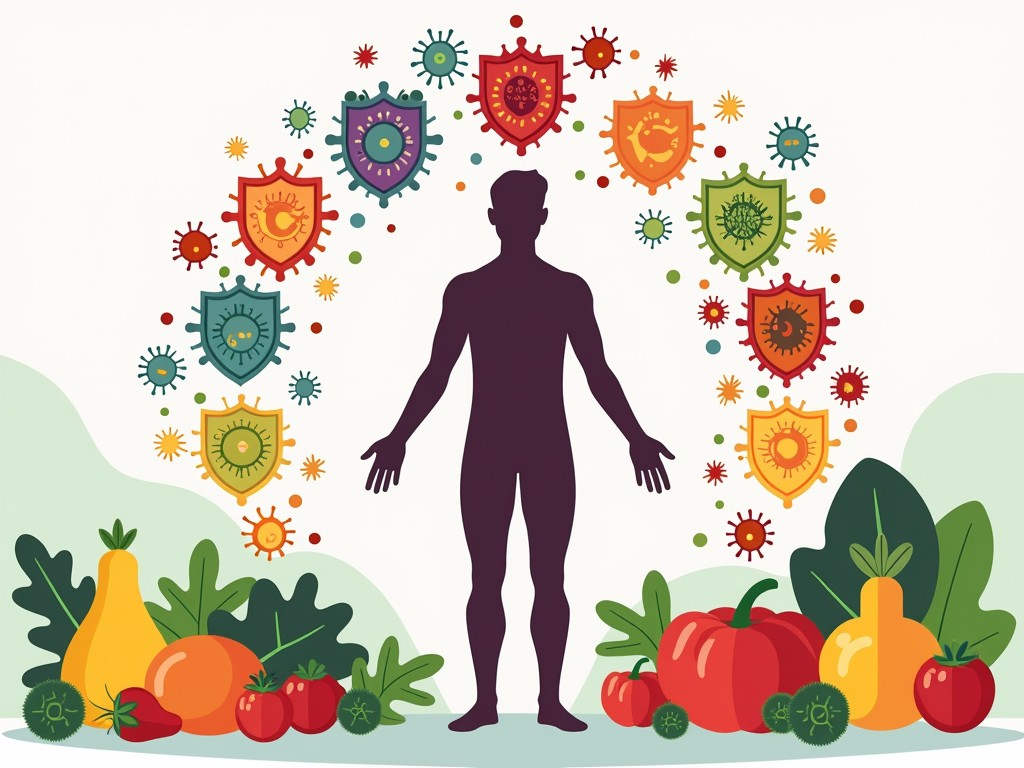
Introduction
In today’s fast‑paced world, our bodies are constantly exposed to stress, pollution, and a host of pathogens. While the immune system is our first line of defense, many of us unknowingly weaken it through modern lifestyle habits. Understanding why the immune system falters and learning actionable steps to boost it can dramatically improve your overall well‑being and resilience against illness.
What Is the Immune System?
The immune system is a complex network of organs, cells, and molecules that protects the body from bacteria, viruses, parasites, and fungi. Key components include lymph nodes, white blood cells, the spleen, and bone marrow. These elements work together to recognize foreign invaders, neutralize them, and remember them for faster responses in the future.
Why a Balanced Immune System Matters
A well‑regulated immune system eliminates harmful microbes without attacking the body’s own cells. When this balance is disrupted, we become vulnerable to infections, chronic inflammation, and autoimmune conditions. Maintaining immune health is therefore essential not only for disease prevention but also for overall quality of life.
Why Does the Immune System Weaken?
Several internal and external factors can compromise immune function. The most common culprits include:
- Chronic Stress: Prolonged stress releases cortisol, which dampens the activity of immune cells.
- Sleep Deprivation: Adults need 7–8 hours of quality sleep to allow immune cells to regenerate.
- Unhealthy Diet: Lack of essential vitamins and minerals, excessive alcohol, and processed foods can impair immune responses.
- Physical Inactivity: Sedentary lifestyles reduce circulation, limiting the distribution of immune cells.
- Environmental Toxins: Pollution, smoking, and chemical exposures can damage immune tissues.
- Age and Chronic Illness: Aging and conditions like diabetes or autoimmune diseases naturally weaken immunity.
Viruses That Target the Immune System
Some viruses directly attack immune cells, making the body more susceptible to other infections. Notable examples include:
- HIV: Targets CD4+ T cells, leading to progressive immune failure.
- Influenza (Flu): Temporarily suppresses immune function during acute infection.
- Epstein‑Barr Virus (EBV) & Cytomegalovirus (CMV): Can cause transient immune suppression, especially in the elderly.
How to Strengthen Your Immune System
Boosting immunity is a holistic process that involves lifestyle, nutrition, and mental well‑being. Here’s a step‑by‑step guide:
1. Prioritize Sleep and Stress Management
- Aim for 7–8 hours of uninterrupted sleep each night.
- Practice relaxation techniques such as deep breathing, meditation, or gentle yoga.
- Set boundaries to reduce work‑related stress.
2. Stay Physically Active
- Incorporate moderate exercise (e.g., brisk walking, cycling) for at least 150 minutes per week.
- Include strength training twice a week to support muscle health.
- Use movement breaks during long periods of sitting.
3. Hydrate and Limit Alcohol & Caffeine
- Drink 8–10 cups of water daily to maintain optimal cellular function.
- Limit alcohol to no more than one drink per day for women and two for men.
- Reduce caffeine intake to avoid sleep disruption.
4. Fuel Your Body with Immune‑Boosting Nutrients
Key micronutrients play pivotal roles in immune defense:
- Vitamin C: Supports antibody production. Sources: oranges, kiwi, strawberries, broccoli, bell peppers.
- Vitamin D: Modulates immune responses. Get sunlight exposure or consume fortified foods.
- Zinc: Essential for T‑cell development. Sources: pumpkin seeds, oysters, beef, beans.
- Probiotics: Maintain gut flora, which is linked to immune health. Sources: yogurt, kefir, kimchi, sauerkraut.
- Antioxidants: Protect cells from oxidative stress. Sources: blueberries, green tea, olive oil.
5. Adopt a Clean Eating Approach
- Focus on whole, unprocessed foods.
- Limit refined sugars and saturated fats.
- Incorporate a rainbow of fruits and vegetables for diverse phytonutrients.
Top Immune‑Boosting Foods to Add to Your Diet
- Oranges, lemons, and grapefruits (Vitamin C)
- Red bell peppers (high in Vitamin C and beta‑carotene)
- Broccoli and Brussels sprouts (fiber, vitamins, and antioxidants)
- Garlic and onions (allicin, immune‑enhancing compounds)
- Spinach and kale (rich in iron, magnesium, and vitamins)
- Almonds and walnuts (healthy fats, vitamin E)
- Green tea (catechins, antioxidant power)
- Fermented foods like kimchi, miso, and tempeh (probiotics)
Frequently Asked Questions
Q: Can I boost my immunity with supplements alone?
A: Supplements can help fill nutritional gaps, but they are most effective when combined with a balanced diet, regular exercise, and adequate sleep.
Q: How long does it take to see improvements in immune function?
A: Consistent lifestyle changes can start showing benefits within a few weeks, but optimal immune health is a long‑term commitment.
Q: Are there any risks associated with over‑supplementing vitamin C?
A: High doses of vitamin C can cause gastrointestinal upset and, rarely, kidney stones. Stick to recommended daily allowances unless advised otherwise by a healthcare professional.
Conclusion
Your immune system is a dynamic, adaptable defense network that thrives on balanced nutrition, regular movement, and mental calmness. By understanding the factors that weaken immunity and implementing practical, evidence‑based strategies, you can fortify your body’s natural defenses. Start today by incorporating one or two of the suggested habits—whether it’s a daily walk, a nutrient‑rich smoothie, or a 10‑minute meditation—and watch your resilience grow.
Considering treatment in Türkiye?
Get a free consultation and cost estimate from verified specialists.