
HPV Vaccine 2026: Comprehensive Guide to Protection, Dosage, and Access
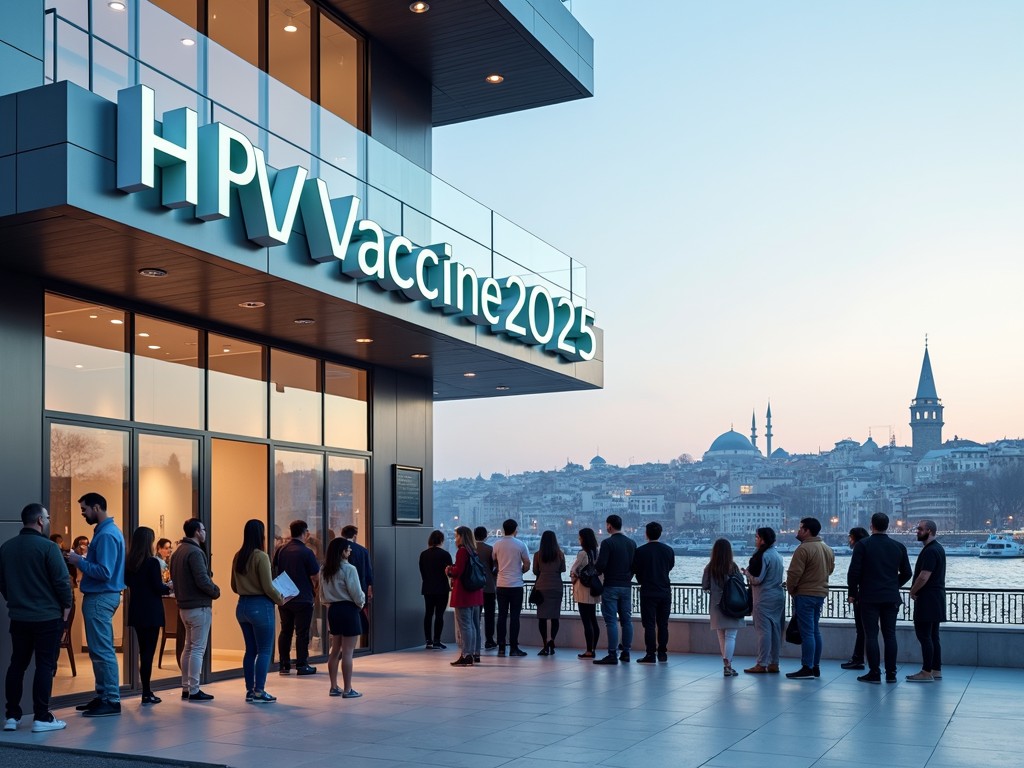
Protecting Your Future Starts Here
Human Papillomavirus (HPV) is the most common sexually transmitted infection worldwide, responsible for a significant portion of cervical, vaginal, vulvar, anal, and oropharyngeal cancers. In Yildiztabya, a bustling hub of transportation and community life, the HPV vaccine offers a powerful shield against these preventable diseases. This guide provides up‑to‑date information on the vaccine’s efficacy, dosage schedules, safety profile, and how to access it in 2025.
Why HPV Vaccination Matters in Yildiztabya
Yildiztabya’s strategic location—adjacent to major arteries such as the TEM (E‑80), Old Edirne Asphalt–Vardar Boulevard, and the T4 Topkapı–Mescid‑i Selam tram corridor—creates a high‑traffic environment. This mobility increases the importance of widespread vaccination to reduce community transmission and protect vulnerable populations. The vaccine not only prevents persistent HPV infections but also interrupts the progression to cancer, offering both individual and public health benefits.
Key Benefits of the HPV Vaccine
- Prevents cervical, vaginal, vulvar, and anal cancers in women.
- Reduces the risk of penile and oropharyngeal cancers in men.
- Decreases genital warts caused by low‑risk HPV types 6 and 11.
- Supports early detection programs by lowering the incidence of pre‑cancerous lesions.
Available HPV Vaccines in Yildiztabya
Three vaccine classes are offered at local clinics:
- Bivalent (2‑valent) – targets HPV types 16 and 18.
- Quadrivalent (4‑valent) – covers types 6, 11, 16, and 18.
- Nonavalent (9‑valent) – protects against nine high‑risk types (6, 11, 16, 18, 31, 33, 45, 52, 58).
In Yildiztabya, the 9‑valent vaccine is the most commonly used due to its broad coverage. All vaccines employ virus‑like particle (VLP) technology, ensuring they contain no DNA and cannot cause infection.
Who Should Get Vaccinated?
- 9–14 years old: Ideal age for maximum immune response.
- 15–26 years old: Strong recommendation; benefits persist even after sexual debut.
- 27–45 years old: Not routine; individualized assessment based on partner history and risk factors.
- Immunocompromised individuals (e.g., HIV): Three‑dose schedule recommended.
Dosage Schedules
Dosage depends on age and immune status:
- 9–14 years: Two doses – 0 and 6–12 months apart. If the interval is less than 5 months, a third dose is added.
- 15+ years or immunosuppressed: Three doses – 0, 1–2 months, and 6 months.
- Missed doses are not restarted; the series continues from the point of interruption.
Safety Profile
Millions of doses worldwide have established a robust safety record. Common side effects include:
- Injection site pain, redness, or swelling.
- Low‑grade fever, headache, or mild fatigue.
- Rare serious adverse events are extremely uncommon.
Pregnancy is not a contraindication; vaccination is safe after delivery. Breastfeeding does not interfere with vaccine efficacy. Post‑vaccination observation for a short period helps prevent fainting.
Accessing the Vaccine in 2025
Yildiztabya’s clinics are integrated with local family medicine units and private practices. Digital appointment systems and reminder services improve completion rates. The cost per dose in 2025 ranges from 2,500 to 3,500 Turkish Lira, depending on the product and stock availability. Contact details for scheduling:
Phone: 0541 998 34 34
Location: Ataşehir, Istanbul
Vaccination Is Not a Substitute for Screening
Even after vaccination, regular cervical cancer screening (Pap smear or HPV DNA testing) remains essential. The vaccine protects against most high‑risk types but does not cover all possible strains. Screening ensures early detection of any abnormal changes.
Frequently Asked Questions
Does the vaccine work after sexual activity has begun?
Yes. Exposure to one HPV type does not prevent protection against other types included in the vaccine.
Do I need a Pap smear after vaccination?
Yes. Vaccination does not replace routine screening. Follow your doctor’s recommended schedule.
Is the vaccine necessary for men?
Absolutely. It reduces genital warts and lowers the risk of HPV‑related cancers in men, also decreasing transmission to partners.
Can a single dose suffice?
While some studies suggest partial protection with one dose, the standard practice in Yildiztabya is to administer two or three doses for optimal immunity.
Do I need a blood test before vaccination?
No routine blood work is required. A brief medical history and informed consent are sufficient.
Conclusion
The Yildiztabya HPV vaccine program offers a scientifically proven, safe, and accessible means to reduce the burden of HPV‑related cancers and genital warts. By starting vaccination early—ideally between 9 and 14 years—and maintaining regular screening, residents of Yildiztabya, Karayolları, Karlıtepe, and Kazım Karabekir can enjoy a healthier future. Discuss your individual risk profile and vaccination schedule with your healthcare provider to determine the best plan for you.
For more information or to book an appointment, call 0541 998 34 34 in Ataşehir, Istanbul.
Considering treatment in Türkiye?
Get a free consultation and cost estimate from verified specialists.