
Jaw Clicking Explained: Causes, Symptoms, and Effective Treatments for TMJ Disorders
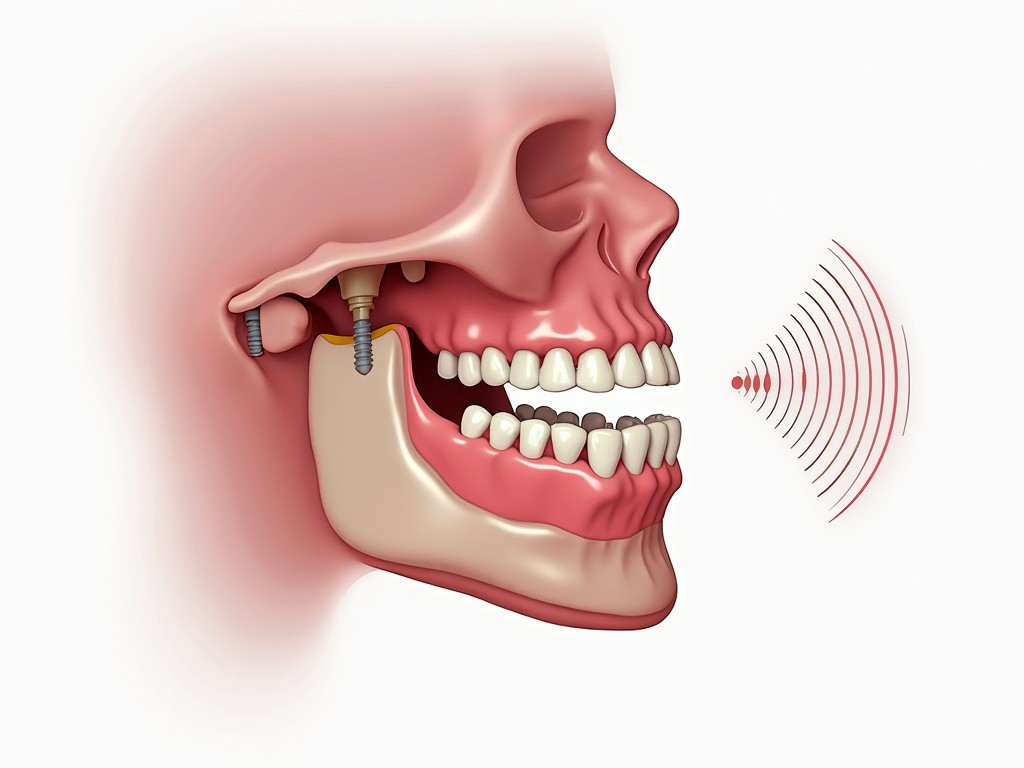
Jaw clicking is a common yet often misunderstood symptom that can range from a harmless nuisance to a sign of a serious temporomandibular joint (TMJ) disorder. Whether you notice a popping sound when you open your mouth, feel a crackling sensation while chewing, or experience pain along with the noise, understanding the underlying causes and available treatments is essential for restoring comfort and function.
What Is Jaw Clicking?
Jaw clicking, also known as TMJ clicking, refers to audible or palpable sounds produced by the temporomandibular joint during movement. The TMJ connects the lower jaw (mandible) to the skull (maxilla) and allows for complex motions such as opening, closing, and side‑to‑side chewing. When the joint’s components—bone, cartilage, ligaments, and surrounding muscles—do not move smoothly, a clicking, popping, or grinding noise can occur.
Common Causes of Jaw Clicking
Several factors can trigger jaw clicking. Below are the most frequently encountered causes:
- TMJ Disorders: Structural problems such as disc displacement, joint inflammation, or arthritis can disrupt normal joint mechanics.
- Bruxism (Teeth Grinding): Unconscious clenching or grinding, especially during sleep, places excessive pressure on the joint and muscles.
- Jaw Trauma: Direct blows or falls can damage the joint, ligaments, or surrounding bone.
- Arthritis: Osteoarthritis or rheumatoid arthritis can erode cartilage and alter joint function.
- Malocclusion (Misaligned Bite): Improper alignment of teeth forces the joint to work harder, leading to wear and noise.
- Muscle Tension: Stress, anxiety, or habitual chewing of hard foods can tighten jaw muscles, affecting joint movement.
- Other Factors: Rarely, sinus infections or ear problems can mimic or contribute to jaw clicking.
Recognizing the Symptoms
Jaw clicking is often accompanied by other signs that help differentiate it from benign noise:
- Persistent clicking or popping during mouth opening/closing
- Pain or tenderness around the jaw, ear, or temple
- Limited mouth opening or a feeling of “locked” jaw
- Headaches, neck stiffness, or ear ringing (tinnitus)
- Changes in bite or difficulty chewing certain foods
If these symptoms persist or worsen, it’s advisable to seek evaluation from a jaw surgeon or oral and maxillofacial specialist.
Diagnostic Approach
Accurate diagnosis typically involves a combination of:
- Clinical examination of jaw movement and palpation of muscles and joints
- Imaging studies such as X‑ray, CT, or MRI to visualize joint structures
- Blood tests if inflammatory or autoimmune conditions are suspected
- Assessment of occlusion and bite alignment
These steps help determine whether conservative measures will suffice or if surgical intervention is warranted.
Treatment Options
1. Conservative Management
Most cases of jaw clicking respond well to non‑invasive treatments:
- Heat & Cold Therapy: Warm compresses relax muscles; cold packs reduce inflammation.
- Soft‑Food Diet: Reduces strain on the joint during chewing.
- Medications: NSAIDs for pain and inflammation; muscle relaxants if spasm is present.
- Jaw Exercises: Stretching and strengthening routines improve joint mobility.
- Stress Management: Techniques such as mindfulness or biofeedback can reduce muscle tension.
2. Dental Interventions
When bruxism or malocclusion is the culprit, dental solutions are effective:
- Night Guards (Splints): Prevent teeth grinding and protect the joint.
- Orthodontic Treatment: Aligns teeth and corrects bite, reducing joint load.
- Restorative Work: Fillings or crowns to restore damaged tooth surfaces.
3. Surgical Options
Conservative and dental treatments may fail in advanced cases. Surgical interventions are considered when:
- Disc displacement is irreparable
- Joint degeneration is severe
- Persistent pain or functional limitation remains
Common surgical procedures include:
- Arthrocentesis: Joint lavage to remove debris and reduce pressure.
- Arthroscopy: Minimally invasive visualization and repair.
- Discectomy: Removal of a damaged disc.
- Joint Replacement: In extreme cases, artificial joint components are implanted.
These surgeries are performed by experienced oral and maxillofacial surgeons and usually follow a thorough evaluation.
When to Seek Professional Help
While occasional clicking can be harmless, persistent or painful symptoms warrant a specialist’s assessment. Key indicators for urgent care include:
- Severe pain that interferes with eating or speaking
- Inability to open the mouth fully
- Frequent or worsening clicking sounds
- Associated headaches or ear symptoms
Early intervention can prevent progression to chronic TMJ disorders and improve long‑term outcomes.
Frequently Asked Questions
What is the difference between jaw clicking and grinding?
Jaw clicking is an audible sound from the joint, whereas grinding (bruxism) involves teeth clenching or chewing noises. Both can coexist and often share underlying causes.
Can jaw clicking be cured?
Many cases improve with conservative therapy, but some may require ongoing management or surgery. The goal is to reduce symptoms and restore function.
Is jaw clicking related to stress?
Yes. Stress can increase muscle tension and lead to bruxism, which in turn can cause joint noise.
Do I need a prescription for night guards?
Night guards can be custom‑made by a dentist, but over‑the‑counter options are available. A professional fit ensures optimal protection.
What lifestyle changes help prevent jaw clicking?
Maintain a balanced diet, avoid hard or chewy foods, practice relaxation techniques, and use ergonomic seating to reduce jaw strain.
Conclusion
Jaw clicking is more than just a curious sound—it can signal underlying TMJ issues that affect daily life. By recognizing the symptoms, understanding the root causes, and exploring a spectrum of treatment options—from simple home care to advanced surgical procedures—you can take proactive steps toward relief. If you experience persistent clicking, pain, or functional limitations, consult a qualified jaw surgeon or oral and maxillofacial specialist to receive a personalized care plan.
Considering treatment in Türkiye?
Get a free consultation and cost estimate from verified specialists.