
Jaw Implant Explained: Types, Procedure, Recovery, and Cost – A Comprehensive Guide
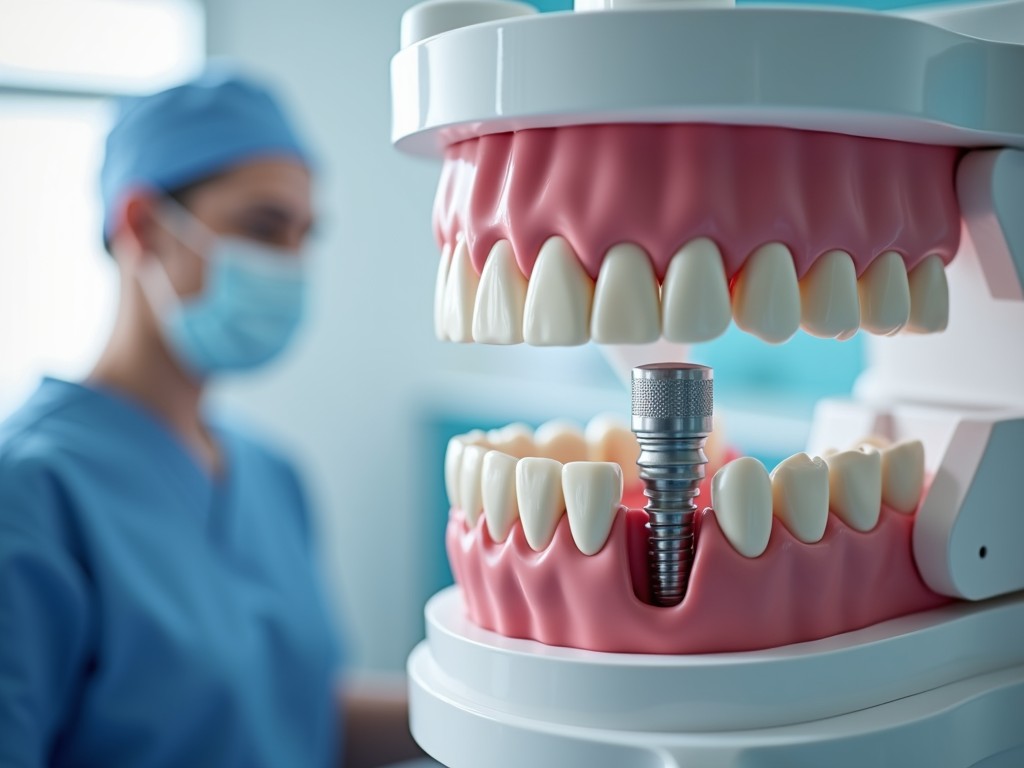
Are you considering a jaw implant to restore facial symmetry, improve chewing function, or simply enhance your smile? With advances in biomaterials and surgical techniques, jaw implants have become a reliable solution for a wide range of aesthetic and functional concerns. This guide dives deep into what a jaw implant is, the different materials used, the step‑by‑step surgical process, pre‑ and post‑operative care, potential risks, and how much you can expect to pay.
What Is a Jaw Implant?
A jaw implant is a biocompatible prosthetic device placed surgically on the mandible (lower jaw) or maxilla (upper jaw). It is designed to mimic the shape and function of natural bone or soft tissue, thereby correcting deformities, congenital anomalies, trauma‑related defects, or aesthetic deficiencies. While many patients seek jaw implants for cosmetic reasons, the procedure also offers significant functional benefits such as improved bite mechanics and speech.
Common Types of Jaw Implant Materials
Choosing the right material is crucial for long‑term success. Below are the most frequently used options:
- Silicone (Silastic) – Soft, flexible, and highly biocompatible. Ideal for subtle contouring but may shift over time.
- Medpor (Porous Polyethylene) – A porous, elastic material that integrates with surrounding tissue, reducing the risk of migration. Removal can be challenging.
- PTFE (Polytetrafluoroethylene) – Flexible and low‑reactivity, but may deform with prolonged use and carries a moderate infection risk.
- Hydroxyapatite – A ceramic that closely resembles natural bone, promoting osseointegration. Preferred when bone loss is present.
- Titanium – Extremely durable and osteoconductive, commonly used for reconstructing bone defects or fractures.
How a Surgeon Decides Which Implant to Use
Decision factors include the patient’s anatomy, the extent of the defect, desired aesthetic outcome, and the surgeon’s experience. A thorough pre‑operative assessment—often involving 3D CT scans and panoramic radiographs—helps tailor the implant choice to each individual case.
The Jaw Implant Surgical Process
While the procedure is typically performed under general anesthesia, the steps are consistent across most cases:
- Initial Consultation & Imaging – Discuss goals, review medical history, and obtain high‑resolution scans.
- Treatment Planning – Using imaging data, the surgeon designs a custom implant or selects a ready‑made size.
- Operative Phase – A small incision exposes the target area; the implant is positioned precisely, then the incision is closed with sutures.
- Post‑operative Care – Pain management, swelling control, and wound care instructions are provided.
Typical operative time ranges from 1 to 4 hours, with a recovery period of 1–2 weeks before patients can resume normal activities.
Pre‑operative Checklist
- Fast for at least 8 hours before surgery.
- Stop smoking and alcohol at least one week prior.
- Ensure the surgical site is clean and free of infection.
- Disclose all medications, especially anticoagulants.
- Schedule a pre‑op blood work to rule out systemic conditions.
Post‑operative Care & Recovery Timeline
After the procedure, patients may experience:
- Swelling, bruising, and mild pain for 3–5 days.
- Need to keep the head elevated and use cold compresses.
- Soft‑food diet for the first week.
- Removal of sutures after 7–10 days.
- Return to normal routine within 2–6 weeks, depending on implant size.
Potential Risks and Complications
As with any surgical intervention, jaw implants carry certain risks. Experienced surgeons, such as Prof. Dr. Celal Çandırlı, mitigate these through meticulous technique:
- Infection
- Bleeding or hematoma
- Implant migration or displacement
- Neural injury leading to numbness
- Allergic reaction (rare with modern materials)
- Need for revision surgery
Cost of Jaw Implants
Pricing varies based on:
- Type of implant material
- Complexity of the case
- Surgeon’s expertise
- Geographic location and facility fees
Patients should obtain a detailed quote during the initial consultation. While the upfront cost may seem high, the long‑term benefits—both functional and aesthetic—often justify the investment.
Frequently Asked Questions
What is Medpor Jaw Implant?
Medpor is a porous polyethylene material that integrates with surrounding tissue, reducing the risk of implant migration.
How Much Does a Silicone Jaw Implant Cost?
Costs vary by brand, size, and surgeon. A typical range is between $2,000 and $5,000, but a personalized estimate is best.
Are Jaw Implants Permanent?
Yes, the implants are designed to provide lasting results. However, regular follow‑ups are essential to monitor for any late complications.
Will the Surgery Be Painful?
Under general anesthesia, you will not feel pain during the procedure. Post‑operative discomfort is managed with prescribed analgesics.
Conclusion
Jaw implants represent a sophisticated blend of surgical precision and advanced biomaterials, offering patients a durable solution to both aesthetic and functional challenges. By understanding the types of implants, the surgical workflow, and the care required before and after the operation, you can make an informed decision and work with a skilled surgeon to achieve the best possible outcome.
Considering treatment in Türkiye?
Get a free consultation and cost estimate from verified specialists.